Get your free personalized podcast brief
We scan new podcasts and send you the top 5 insights daily.
Global tech platforms can be blocked by entrenched local interests, even with government support. Israel's lack of Uber, due to the powerful taxi lobby that supports the ruling party, shows how local politics can override technological and consumer benefits.

Related Insights
The US failed to develop super apps not due to a lack of ambition, but because of a mature market with powerful incumbents. Unlike in China, US tech firms must negotiate with and integrate into existing, dominant banking and commerce networks, creating immense friction.

Veteran advisor Bradley Tusk argues that successful startup lobbying is not about technology's merits, but about a politician's self-interest. The key is to demonstrate how approving the startup's agenda helps a politician win their next election, or how blocking it will hurt their chances.
Bradley Tusk, known for his work with Uber, advises startups to focus their regulatory efforts on state and local governments. He argues that achieving federal-level change is akin to a miracle. In contrast, states offer 50 different opportunities to pass favorable legislation, establish precedent, and build momentum for broader change.

Despite its global power, Apple is bowing to Chinese government pressure, evidenced by Tim Cook's recent visit and a cut in App Store fees. This demonstrates that for multinational corporations, commercial success in China is contingent on political appeasement and making commercial concessions.

Reid Hoffman argues that local political resistance to tech infrastructure like data centers, often framed as protecting the community, is short-sighted "stupid thinking." This opposition effectively exports jobs and massive economic benefits to other countries willing to host these essential facilities.

Venture capitalist Bill Gurley argues a key reason for Silicon Valley's success was its physical and cultural distance from the regulatory and political influence of Washington D.C. He now sees an ironic shift, as tech giants become increasingly entangled in lobbying and politics, threatening the ecosystem that allowed them to flourish.

Dubbed "Travis's Law," Uber's core political innovation was turning its passionate customer base into a powerful lobbying force. By building advocacy tools directly into their product, startups can mobilize users to defeat powerful, entrenched incumbents in regulated industries.
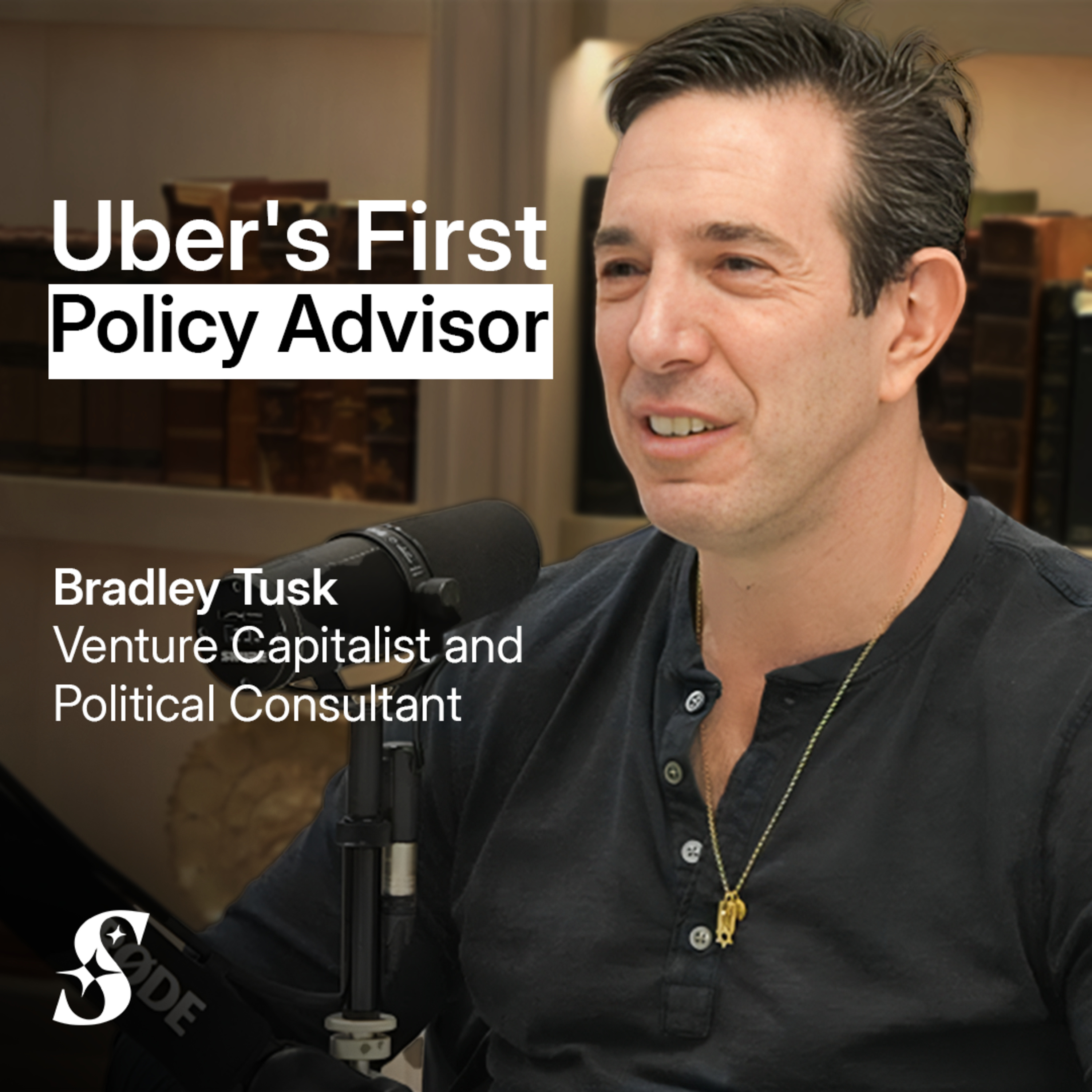
Early competitors failed because they tried to partner with existing taxi fleets, inheriting their inefficiencies. Uber's key strategic advantage was building a parallel system with non-taxi drivers, allowing it to scale frictionlessly and deliver a superior, technology-driven experience.

Instead of seeking permission, Uber launched first to demonstrate its superior service. When regulators tried to shut them down, the company leveraged its loyal customer base to create overwhelming public and political pressure, effectively making users its most powerful lobby.
The "Battle of Seattle" protests during the dot-com boom raised political awareness and subtly shaped trade policy for years. Similarly, today's local protests against AI data centers, while smaller, introduce political friction that can act as a significant, often underestimated, brake on the speed of technological infrastructure deployment.
