Get your free personalized podcast brief
We scan new podcasts and send you the top 5 insights daily.
Suggesting that major American cities could face foreign missile strikes turns off swing voters and independents ahead of an election. While hardcore political bases remain loyal, suburban and moderate voters want economic stability rather than volatile, destabilizing rhetoric.

Related Insights
President Trump is undermining his own populist base by contradicting the core promises that got him elected. His unnecessary war in Iran, which has led to higher prices at home, directly conflicts with his 'America First' message of ending foreign wars and focusing on domestic issues, risking the support of his key voters.

A key part of Trump's appeal was his promise to end 'endless wars' and prioritize domestic issues. Engaging in a new Middle East conflict, even if popular with his base initially, directly contradicts this foundational message and risks alienating voters who supported him precisely for his non-interventionist stance.

The fragile coalition of young and minority voters that secured Trump's hypothetical 2024 victory is now fragmenting. His administration's embrace of tariffs, which voters link to price increases, and a new war with Iran have alienated these key demographics who prioritize economic stability and non-intervention.

The political strategy of appealing to the base during a primary and then moderating for the general election is increasingly difficult. In the age of social media, any hardline statements made to win the primary can be instantly resurfaced and weaponized by opponents, alienating centrist voters.

When a political leader frequently issues apocalyptic threats without acting on them, the public becomes desensitized. The rhetoric is dismissed as bluster (a "Taco Tuesday"), dangerously lowering the bar for acceptable discourse and eroding the impact of genuine warnings.
Even when facing severe international backlash, a US president's most controversial foreign policy actions are ultimately limited by unpopularity within their own country and party, which creates significant political and practical consequences that outweigh pressure from allies.
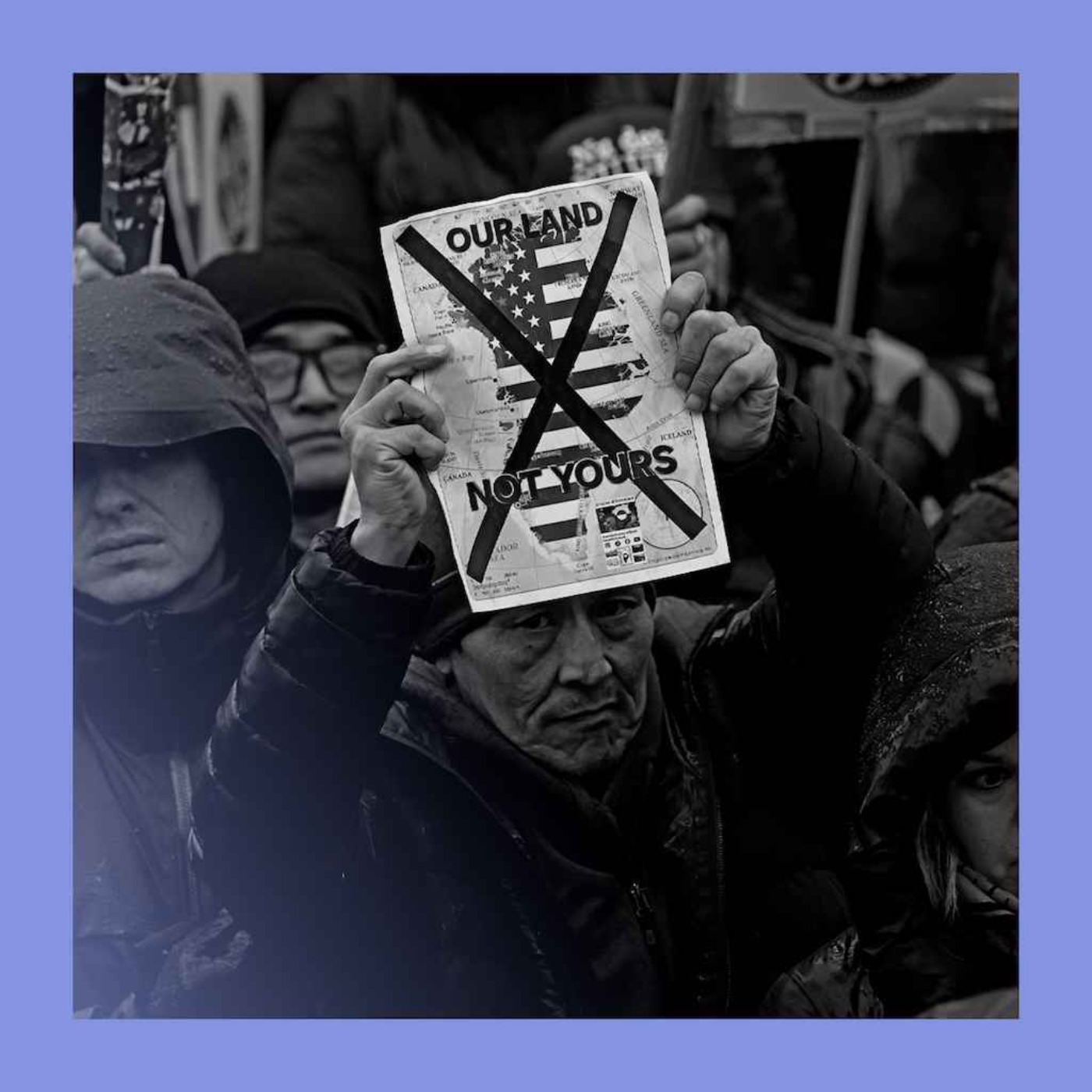
A sophisticated foreign adversary can strategically drag out a conflict to negatively impact the US economy before midterm elections. The resulting voter frustration, for instance from high gas prices, can cripple a sitting president's party, stall their agenda, and weaken their geopolitical standing.

While not the top issue for most voters, foreign policy crises serve as a critical test of a commander-in-chief's temperament and decision-making. A major failure can permanently sink approval ratings, as seen with Biden's Afghanistan withdrawal.

In populist moments, leaders often abandon the idea of compromise and instead treat the opposing side as an enemy to be defeated. Language describing American cities as "war zones" or "training grounds" reveals this divisive mindset, which prioritizes conflict over unity.

A long war with Iran would directly contradict a core promise to his voters: avoiding foreign entanglements. This betrayal, combined with economic fallout, would alienate his base and likely cause a Democratic sweep in the midterms, effectively ending his presidency.
