Get your free personalized podcast brief
We scan new podcasts and send you the top 5 insights daily.
The inherent privacy of local models is a powerful go-to-market wedge. It unlocks lucrative industries like healthcare, legal, and finance that are legally barred from sending sensitive data to third-party cloud APIs, creating a defensible moat against cloud-only competitors.

Related Insights
Relying on third-party APIs for AI is becoming unsustainable due to high token costs and the inherent security risk of uploading sensitive data. This will force a market shift toward powerful local hardware for running private, cost-effective models.

To overcome security and data privacy hurdles in finance and healthcare, Genesis deploys its platform directly within the client's environment, not as a SaaS. This ensures accumulated institutional knowledge becomes a secure, company-owned asset, which is critical for adoption in regulated industries.

The core appeal of open-source projects like OpenClaw is that they run locally on user hardware, granting full control over personal data. This contrasts with cloud-based agents from Meta, positioning data ownership and privacy as a key differentiator against convenience.

Strict regulations prohibit sending sensitive data to external APIs, creating a compliance nightmare for cloud-based AI. Small, on-premise models solve this by keeping data within the enterprise boundary, eliminating third-party processor risks and simplifying audits for regulated industries like healthcare and finance.

By running AI models directly on the user's device, the app can generate replies and analyze messages without sending sensitive personal data to the cloud, addressing major privacy concerns.

Instead of competing in the cloud, Apple's advantage is in hardware. By equipping computers with massive RAM, they can run powerful local AI models. This preserves user privacy by keeping data on-device and sidesteps trust issues with cloud-based AI providers like OpenAI and Google.

Enterprises are increasingly concerned about sending sensitive data to the cloud via AI agents. The rise of local models, exemplified by platforms like OpenClaw, allows users to run agents on their own devices, ensuring private data never leaves their control and creating a more secure future.

Mission-critical industries like finance and drug discovery are hesitant to use major LLMs because they don't want to share proprietary data with a 'big brain for all.' This creates a significant B2B market gap for custom, private AI models that can be tailored to specific tasks and datasets without compromising privacy or security.

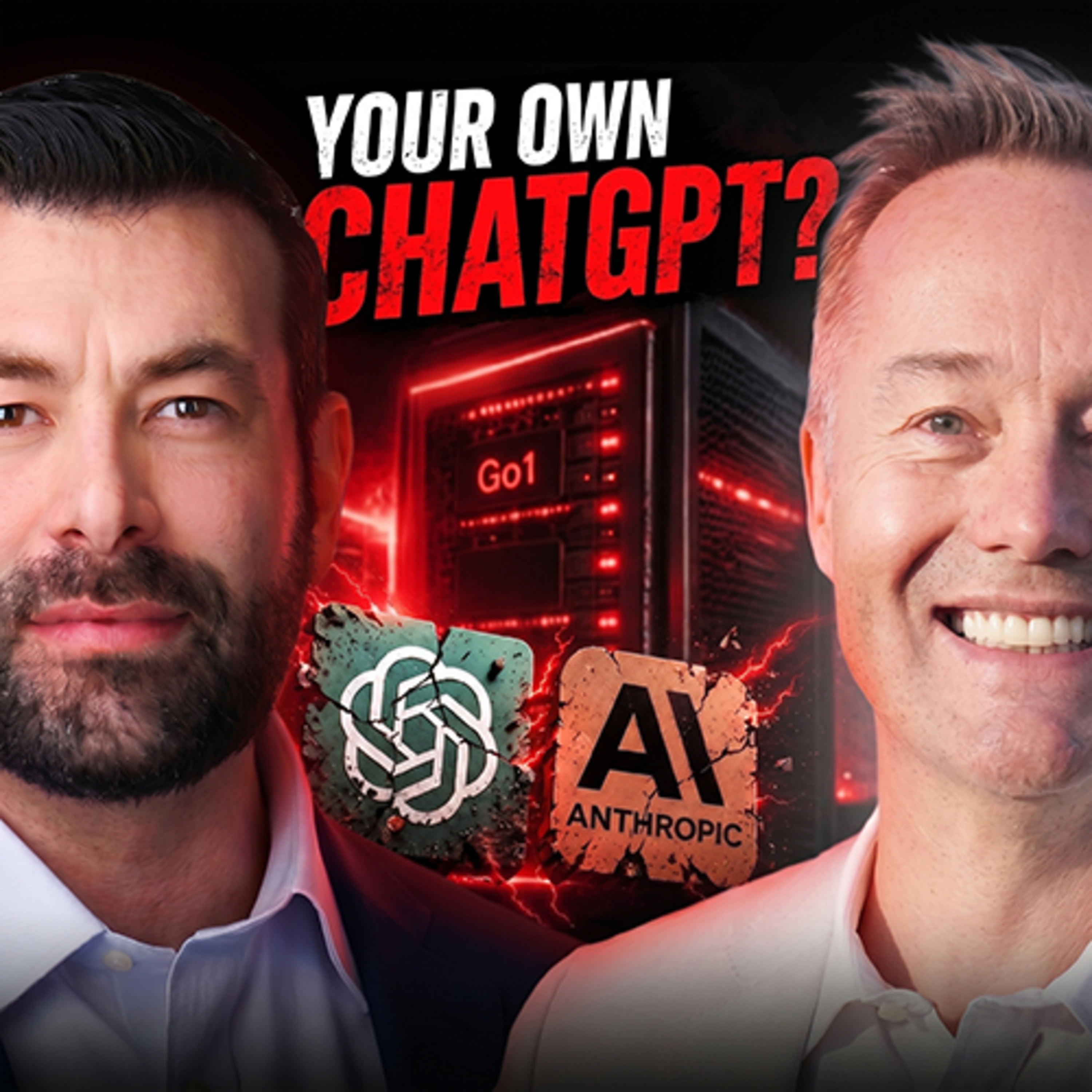
Companies in finance and healthcare are hesitant to use public AI providers due to data privacy concerns. On-premise solutions like GoAbacus's "Go One" box allow them to leverage AI locally, ensuring no data leaves their infrastructure and providing cost predictability.
Running a personal AI on your own hardware is fundamentally different than using a cloud service. The key advantage is data sovereignty. This protects user data from third-party access, subpoenas, and control by large corporations, which is a critical differentiator for privacy-conscious users and businesses.