Get your free personalized podcast brief
We scan new podcasts and send you the top 5 insights daily.
To counter the threat of a single dominant AV provider like Waymo, Uber is actively partnering with a diverse set of competitors (Nuro, Rivian, NVIDIA, Baidu). This strategy aims to turn AV technology into a commodity layer, positioning Uber as the indispensable neutral demand aggregator on top.

Related Insights
Uber is investing in multiple autonomous vehicle partners (Rivian, Lucid, Waymo) because it believes there won't be one "foundation model to rule them all" for physical-world AI. This diversified, supply-led approach aims to onboard every safe robot driver, mirroring their strategy with human drivers.

Uber is not developing its own self-driving cars. Instead, it's pursuing a 'Switzerland' strategy by partnering with and investing in multiple autonomous vehicle companies like Rivian. This allows Uber to be the dominant platform for robo-taxis without bearing the immense cost and risk of hardware R&D.

After a fatal accident with its own AV program, Uber pivoted. Instead of building cars, its long-term strategy is to be the essential demand-generation platform for every AV manufacturer, aiming to maximize the utilization and revenue of any "box with wheels" from any company.

Autonomous vehicle technology will likely become a commodity layer, with most manufacturers providing their cars to existing ride-sharing networks like Uber and Lyft. Only a few companies like Tesla have the brand and scale to pursue a vertically-integrated, closed-network strategy.
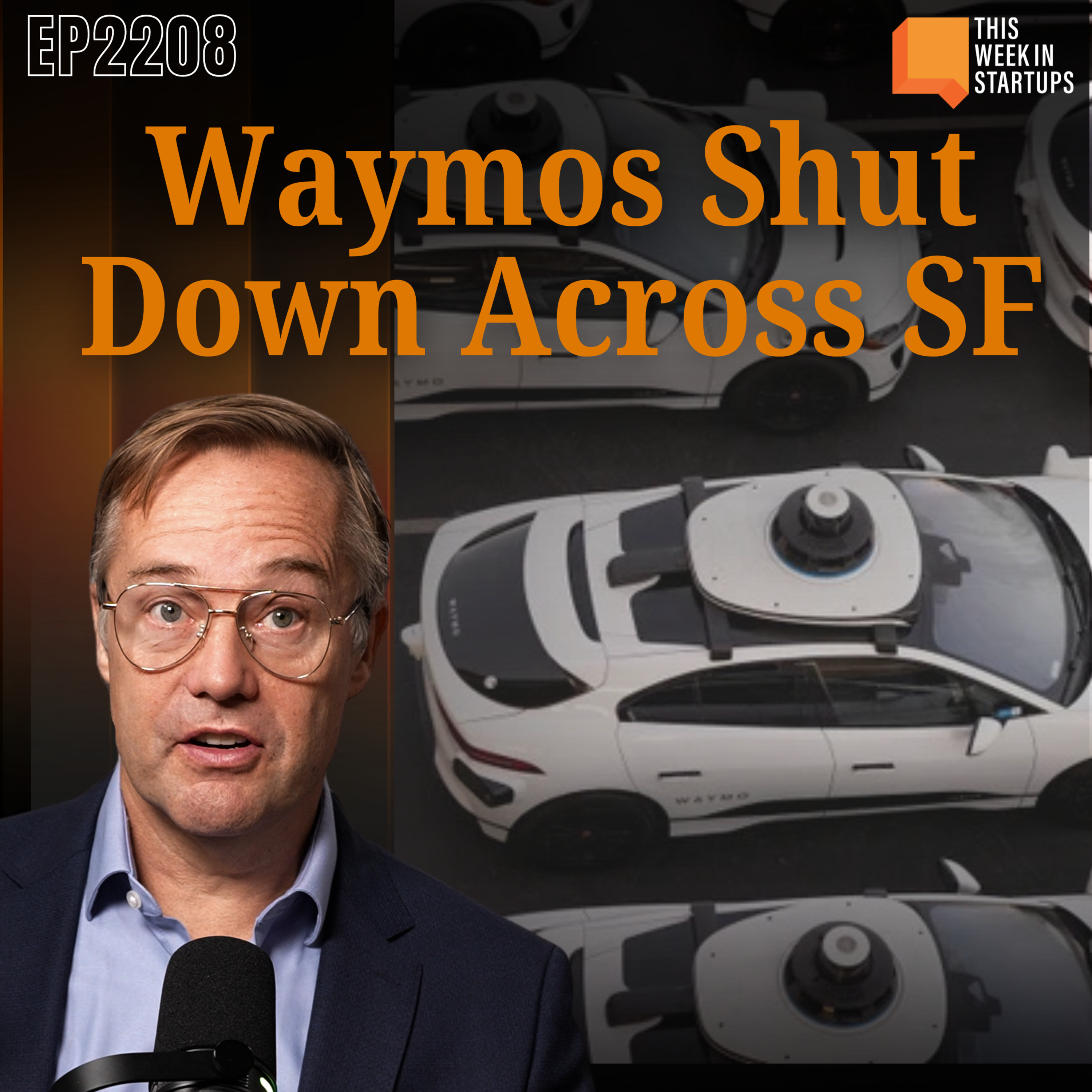
Uber's key advantage in the AV race is its "custody of the consumer." By controlling the main ride-hailing app, it can aggregate various AV providers (Waymo, Rivian), commoditize their technology, and extract large margins, much like Apple does with Google Search in its ecosystem.
Uber believes the autonomous vehicle space will have multiple winners, not one. Their strategy is not to build the best "digital driver" but to become the indispensable demand aggregator and ecosystem provider—offering fleet management, charging, and insurance—for all AV companies, ensuring their relevance regardless of who wins the technology race.
![Dara Khosrowshahi - Uber's Bet on AVs, AI, and Building a Super-App - [Invest Like the Best, EP.476] thumbnail](https://megaphone.imgix.net/podcasts/ef669774-cccd-11ed-889b-c36caad6646f/image/158efdddfb983d2678b3530d484e8aa2.jpg?ixlib=rails-4.3.1&max-w=3000&max-h=3000&fit=crop&auto=format,compress)
By opting out of building its own autonomous vehicles, Uber avoids massive R&D and hardware costs. This "capital-light" partnership model allows Uber to act as a profitable aggregator, which is potentially more scalable and less risky than vertically integrated competitors like Waymo.

Instead of competing in the high-risk race to build autonomous vehicles, Uber is creating the ecosystem around them. By offering services like insurance, data, and fleet support to all AV companies, Uber positions itself to profit regardless of which car manufacturer wins.
Uber is positioning itself as the central platform for various autonomous vehicle services, much like Expedia aggregates flights and hotels. The Zoox partnership is a key proof point of this long-term strategy, focusing on demand generation rather than building proprietary AV tech.

Uber is leveraging its 40 million daily trips to collect vast amounts of driving data, which it sells to AV partners. This creates a new revenue stream and strategically helps smaller players catch up to data-rich leaders like Waymo, fostering a more competitive ecosystem for its platform.