Get your free personalized podcast brief
We scan new podcasts and send you the top 5 insights daily.
The culture of financiers and business leaders as public celebrities began in the 1920s. Figures like National City Bank's Charlie Mitchell were featured on magazine covers alongside sports heroes, mirroring the modern-day celebrity status of tech leaders like Elon Musk and Sam Altman.

Related Insights
A 'Joe Rogan CEO' is a founder who can captivate audiences for hours in unscripted, long-form content. This rare ability creates a powerful 'reality distortion field' that attracts a vortex of talent, capital, and customers, an advantage that is nearly impossible to replicate with a marketing budget.

Altman’s prominent role as the face of OpenAI products despite his 0% ownership stake highlights a shift where control over narrative and access to capital is more valuable than direct ownership. This “modern mercantilism” values influence and power over traditional cap table percentages.

Top executives, particularly women, no longer follow a linear path. They concurrently hold multiple roles such as corporate leader, investor, and board member. This "multi-hyphenate" identity signifies a shift from a singular career track to a dynamic portfolio of professional experiences.

Unlike past eras, tech leaders are constantly on stage or social media. Swisher argues this isn't just ego; it's a strategic necessity born from tech's deep entanglement with politics since the Trump administration, forcing them to constantly perform and grasp for power and influence.

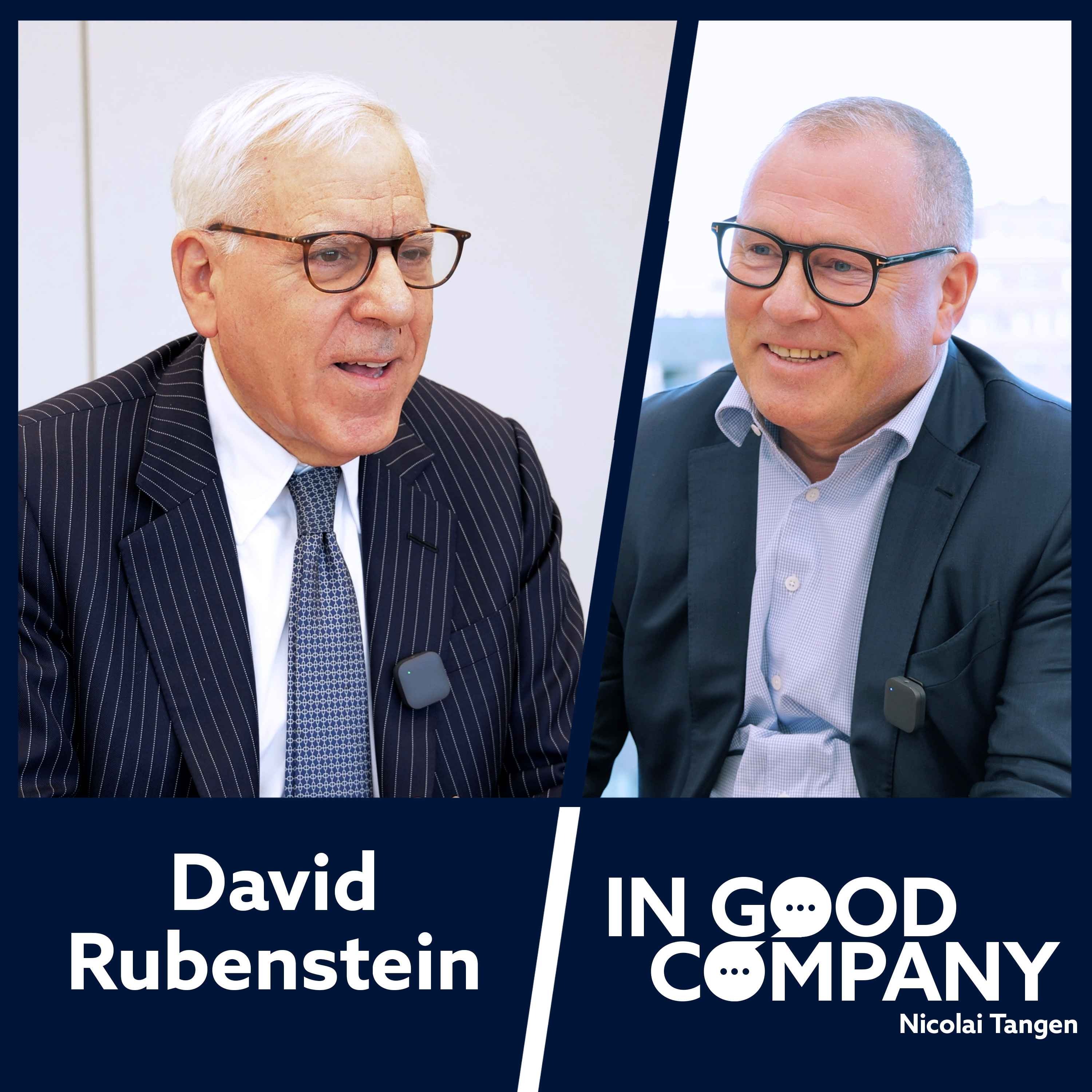
Despite building one of the world's largest private equity firms over 40 years, David Rubenstein finds he is now more recognized for his TV interviews. This reveals that in the modern era, a strong media presence can create a more powerful and widespread personal brand than a long and distinguished traditional business career.
The marketing playbook has shifted from promoting products to promoting the personality behind them (e.g., Tesla is Elon Musk). A company without a founder or CEO who can act as a public "character" struggles to gain traction, as corporate messaging accounts are no longer effective in a noisy media environment.

The nature of marketing has shifted from promoting a faceless corporation to showcasing an authentic founder personality. Companies without an interesting character at the helm are at a disadvantage. This requires leaders to be public figures, as their personal brand, story, and voice are now integral to the company's identity and success.

For celebrities, the most effective path to massive wealth isn't always starting their own company. A more strategic approach is to identify a promising brand and exchange social capital for a significant equity stake, as Roger Federer did with On. This leverages influence without the operational burden of building a business from scratch.

Early-stage companies need experienced executives not just for their skills, but for their 'borrowed credibility.' A well-respected leader like former CEO Bob Muglia lent Snowflake instant legitimacy, which inspired belief in the team, reassured customers, and empowered the young founders.

The ambition to be a CEO isn't just about leadership; it's a practical blend of ego, a need for control, and financial motivation. Critically, it stems from a deep-seated belief in one's own judgment and risk appetite, especially during pivotal market shifts that require bold, swift action.
