Get your free personalized podcast brief
We scan new podcasts and send you the top 5 insights daily.
With traditional tax-based UBI unworkable, a solution in a post-labor world is to fundamentally alter how money circulates. Citizens could receive payment simply for being human, and the "intelligence economy" would then have to earn that money back by providing valuable services.

Related Insights
AI will inevitably cause mass, short-term job displacement. To prevent a depression from collapsed consumer spending, Universal Basic Income (UBI) is essential. It acts as a bridge, sustaining demand and allowing society to benefit from AI's productivity gains while new industries emerge.
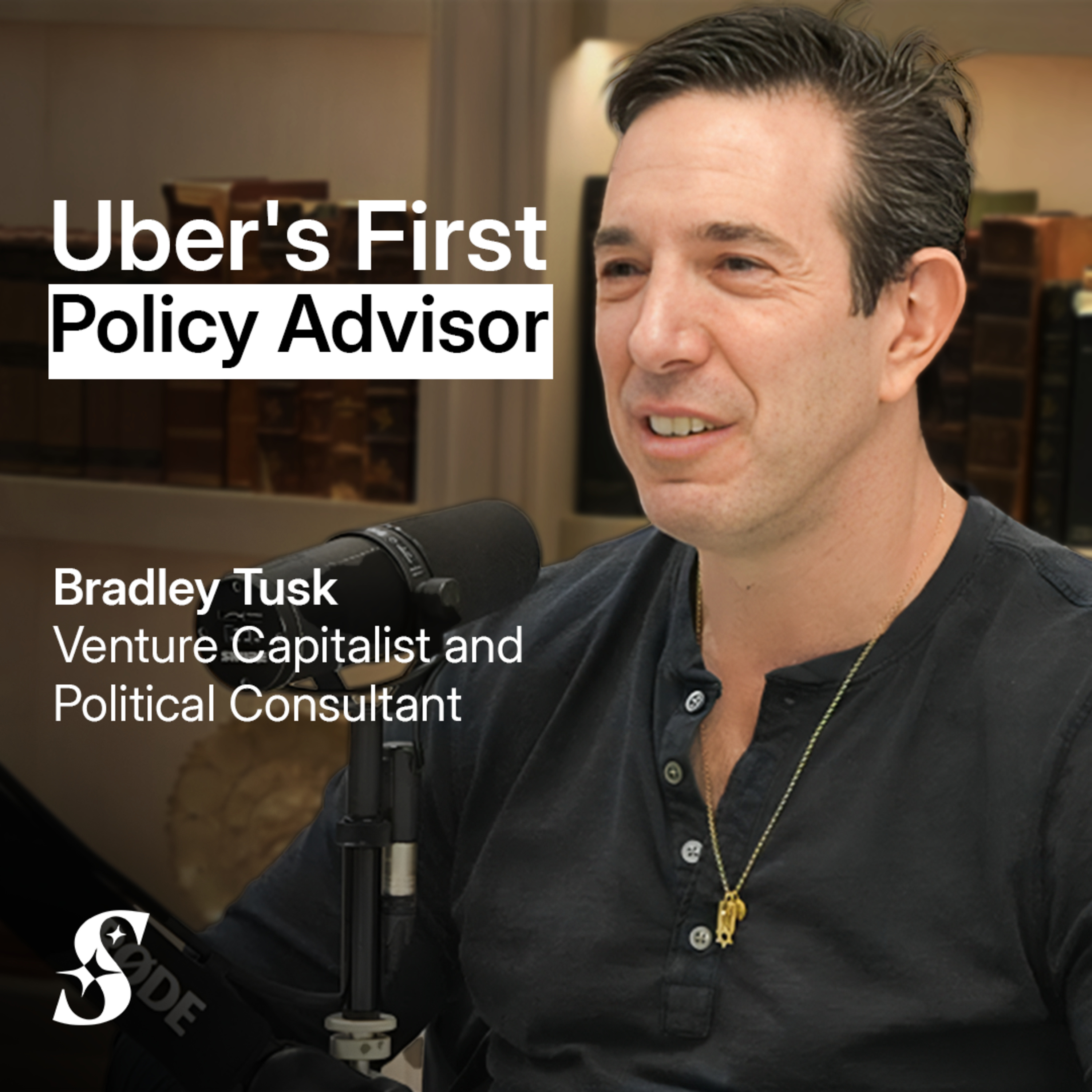
The massive wealth and productivity generated by AI, concentrated in a few companies, might lead to an unexpected societal structure. Governments could heavily tax these entities to fund a form of universal basic income, allowing much of the population to work less, effectively turning extreme capitalism into a socialist-style system.

The common narrative for a post-labor future is Universal Basic Income (UBI). However, Elon Musk's perspective is "Universal High Income." This vision is not about wealth redistribution but about radical technological deflation, where the costs of energy, labor, and transportation approach zero, creating massive abundance and purchasing power for everyone.

Demis Hassabis suggests Universal Basic Income (UBI) is an insufficient, 'add-on' solution for a post-AGI society. He posits that we will need entirely new economic models, potentially resembling direct democracy systems where communities vote on resource allocation, to manage post-scarcity abundance.

Emad Mostaque argues that the math for a tax-funded Universal Basic Income (UBI) doesn't work. Providing even a poverty-level UBI in the U.S. would cost $5 trillion, the entire federal tax base. Corporate taxes from AI giants wouldn't come close, necessitating a fundamental rethinking of how money is created and distributed.

Instead of cash handouts (UBI), democratizing ownership of AI companies gives people a stake in the means of production. This aligns incentives and allows the public to benefit from wealth creation, not just receive subsidies, as AI transforms the economy.

Instead of UBI, Elon Musk envisions 'Universal High Income' (UHI). This theory posits that AI and robotics will make the cost of goods and services so low that even without increased earnings, everyone's purchasing power will skyrocket, leading to a world of abundance.
Financial support (UBI) is insufficient for a thriving populace. The real safety net in an AI-driven world is a 'Universal Basic AI'—a personal, sovereign AI agent that acts in the user's best interest. This provides capability and access to resources, ensuring individuals are empowered, not just subsidized.

As compute power becomes the foundational resource of the economy, a new social safety net model proposes giving every citizen a direct stake in a nation's compute capacity. This would provide individuals with economic resources and democratic control over how AI is utilized.

Since taxing profitless AI companies is impossible, a new system is needed. Instead of redistribution, money creation itself must be re-engineered. Capital could be generated and injected directly to individuals for simply existing and participating in the economy, fundamentally changing how money enters circulation.