Get your free personalized podcast brief
We scan new podcasts and send you the top 5 insights daily.
There is no elegant organizational chart or playbook for transitioning from one hardware product to many. Founders who have successfully navigated this report that the process is simply chaos. The only strategy is to constantly change the structure, accept that it will be messy, and adapt continuously.

Related Insights
Kalshi operates with roughly 130 employees reporting directly to the two co-founders. While admittedly "chaotic," the CEO argues this lack of hierarchy allows the company to constantly and frictionlessly reorient around new opportunities and threats.

Fast-growing companies operate with internal chaos ("backstage") as they constantly rebuild systems. The key is to shield customers from this dysfunction, presenting a polished, reliable product experience ("onstage") no matter how turbulent things are internally.

Citing Unity's CEO, Adrian Solgaard highlights the "messy middle" of scaling (from 12 to 100 employees). This awkward phase lacks the intimacy of a small startup and the structure of a large corporation, requiring a difficult leadership transition that founders often struggle with.
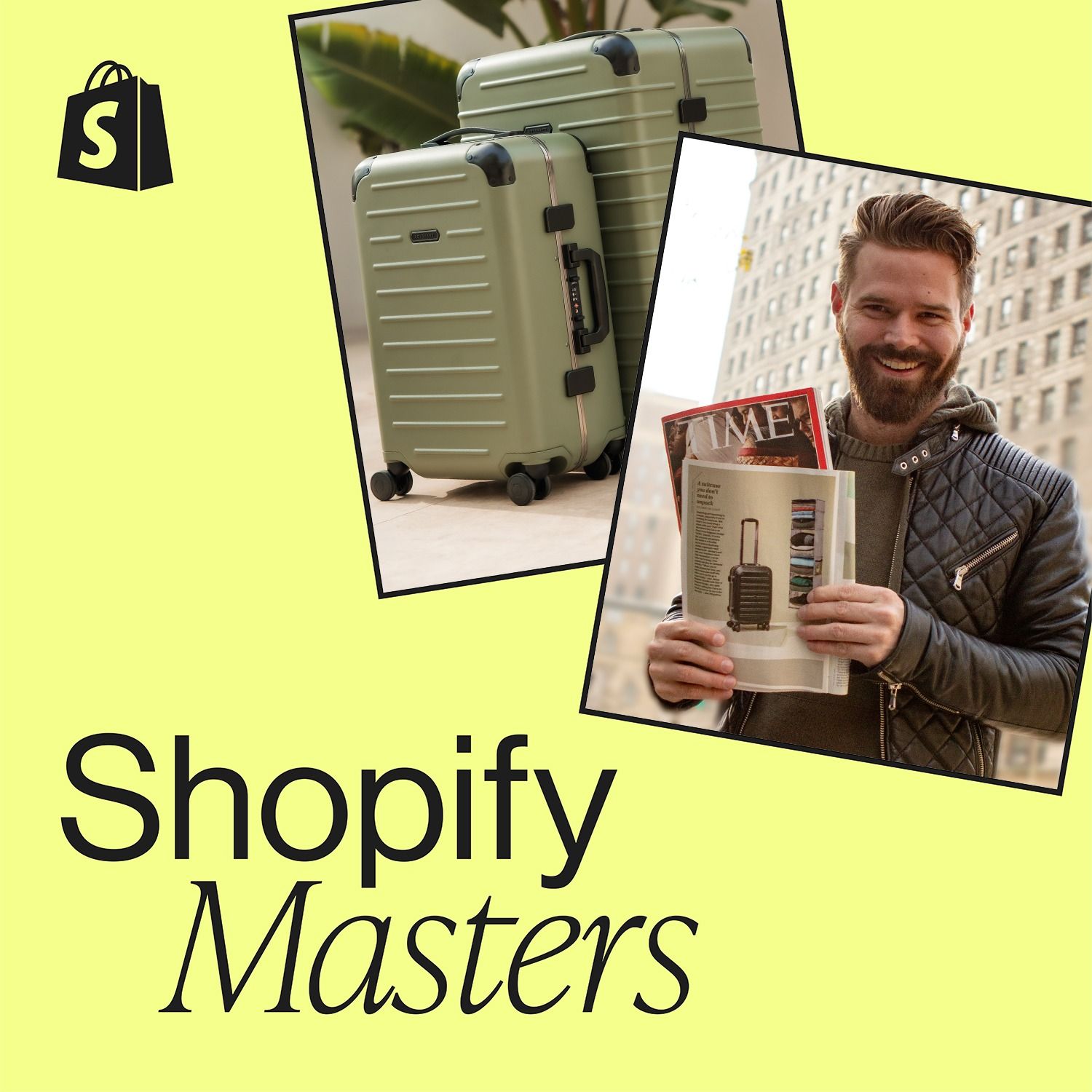
The founder describes growth not as a smooth upward curve, but as a series of chaotic 'bursts.' Each spurt breaks existing systems and requires intense effort to adapt processes and thinking to meet the new demand. The feeling of success only arrives after the chaos has been managed and new systems are in place.

Processes that work at $30M are inadequate at $45M. Leaders in hyper-growth environments (30-50% YoY) must accept that their playbooks have a short shelf-life and require constant redesign. This necessitates hiring leaders who can build for the next level, not just manage the current one.

Even with a successful playbook from a company like Zoom, a marketing leader must adapt significantly when moving to a new context. Selling a physical product globally introduces complexities like homologation, customs, inventory, and channel sales that require eating 'humble pie' and learning the new business from the ground up.

Pendo's CPO warns that scaling isn't just about replicating processes for more teams. Leaders must simultaneously build coordination systems (design reviews, clear communication) while fighting to maintain the "maniacal focus on the customer" and rapid innovation that characterize small teams.

Instead of building massive teams around one or two products, Anduril launches dozens of products, each with a small, lean, autonomous team. The founder finds this approach easier to manage as it avoids middle management bloat, keeps the 'cooks in the kitchen' to a minimum, and leverages natural team dynamics.

Scaling a company isn't linear. Founders first achieve Product-Market Fit. The next stage is "Company-Market Fit," building organizational structures for growth. Crucially, they must then cycle back to reinventing the product to stay ahead, rather than just managing the machine they built.

The initial startup phase is about survival and discovering product-market fit by challenging assumptions. To scale, founders must transition from making every decision by instinct to building systems and processes that empower the team to make good decisions without them. The initial playbook becomes a liability.
