Get your free personalized podcast brief
We scan new podcasts and send you the top 5 insights daily.
The founder describes growth not as a smooth upward curve, but as a series of chaotic 'bursts.' Each spurt breaks existing systems and requires intense effort to adapt processes and thinking to meet the new demand. The feeling of success only arrives after the chaos has been managed and new systems are in place.

Related Insights
Businesses should focus on creating repeatable, scalable systems for daily operations rather than fixating on lagging indicators like closed deals. By refining the process—how you qualify leads, run meetings, and follow up—you build predictability and rely on strong habits, not just individual 'heroes'.
As startups hire and add structure, they create a natural pull towards slower, more organized processes—a 'slowness gravity'. This is the default state. Founders must consciously and continuously fight this tendency to maintain the high-velocity iteration that led to their initial success.

Processes that work at $30M are inadequate at $45M. Leaders in hyper-growth environments (30-50% YoY) must accept that their playbooks have a short shelf-life and require constant redesign. This necessitates hiring leaders who can build for the next level, not just manage the current one.

As a company grows, its old operational systems and processes ('plumbing') become obsolete. True scaling is not about addition; it's about reinvention. This involves systematically removing outdated processes designed for a smaller scale and replacing them entirely.
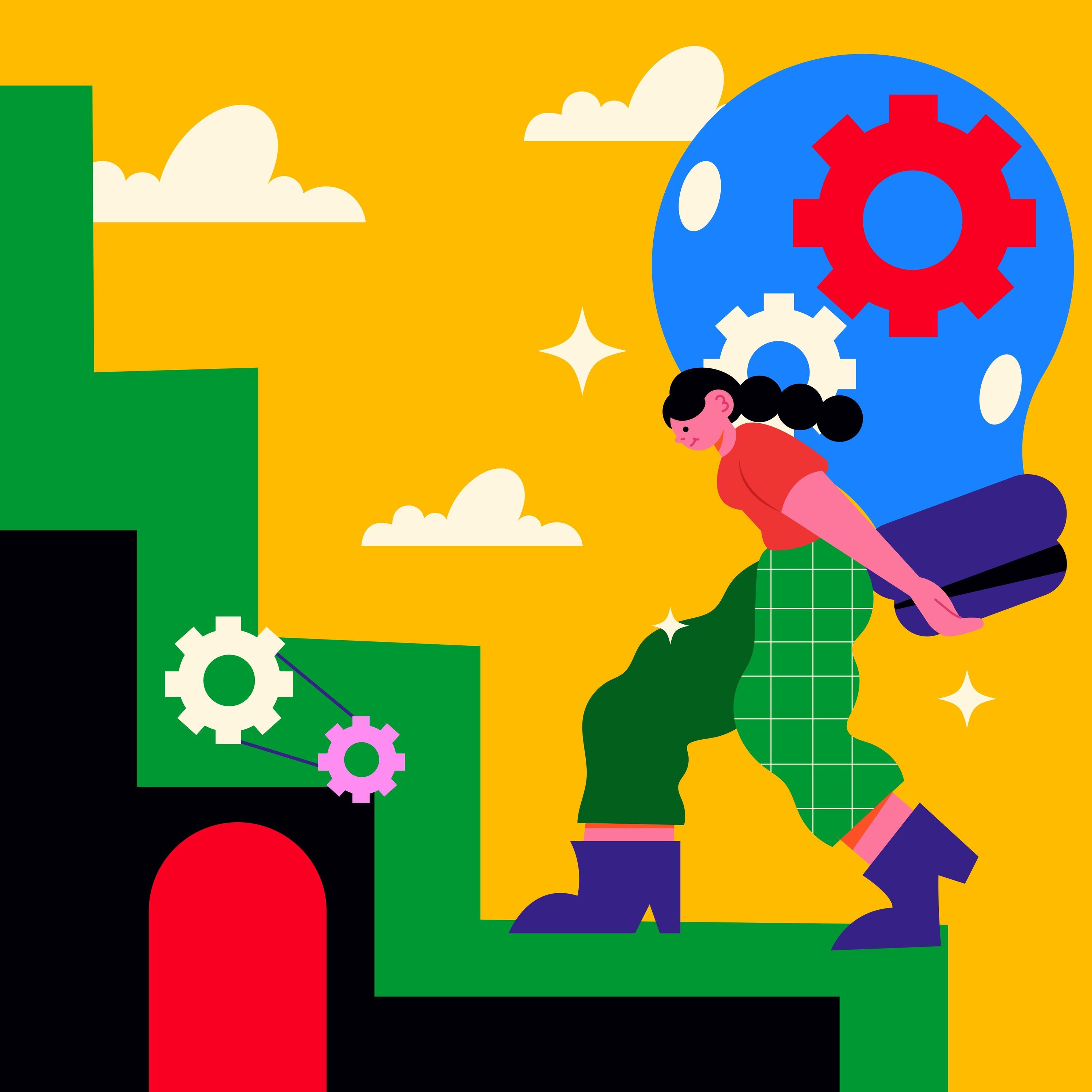
The instinctive reaction to overwhelming growth is to accelerate work, which often leads to addressing symptoms instead of root causes. The more effective first step is to pause, step off the 'treadmill,' and gain clarity on the actual challenge before taking any action.
After reaching profitability faster than expected, Outbound Sync's founder feels more unsure than ever. This uncertainty isn't a sign of trouble, but a symptom of rapid success. The company is evolving beyond its original plan, invalidating the old roadmap and forcing difficult new strategic decisions.

Effective creation is not a linear process but a continuous cycle. Start with chaotic ideas, apply strategic constraints to create a tangible asset, and then use the feedback and new questions from your audience—the 'new chaos'—to fuel the next iteration or creation.
Business growth isn't linear. Scaling up introduces novel challenges in complexity, cost, and logistics that were non-existent at a smaller size. For example, doubling manufacturing capacity creates new shipping and specialized hiring problems that leadership must anticipate and solve.