Get your free personalized podcast brief
We scan new podcasts and send you the top 5 insights daily.
Musk doesn't broadly delegate. He abdicates most operations but intensely focuses on the single greatest bottleneck across his entire enterprise, 'nano-managing' it until it's resolved before moving to the next one, like the Eye of Sauron.

Related Insights
Elon Musk's management playbook is built on a few core principles: only engineers truly matter, the CEO must violate the chain of command to talk directly to line engineers, and the CEO's job is to parachute in weekly to fix the single biggest bottleneck by working alongside them.
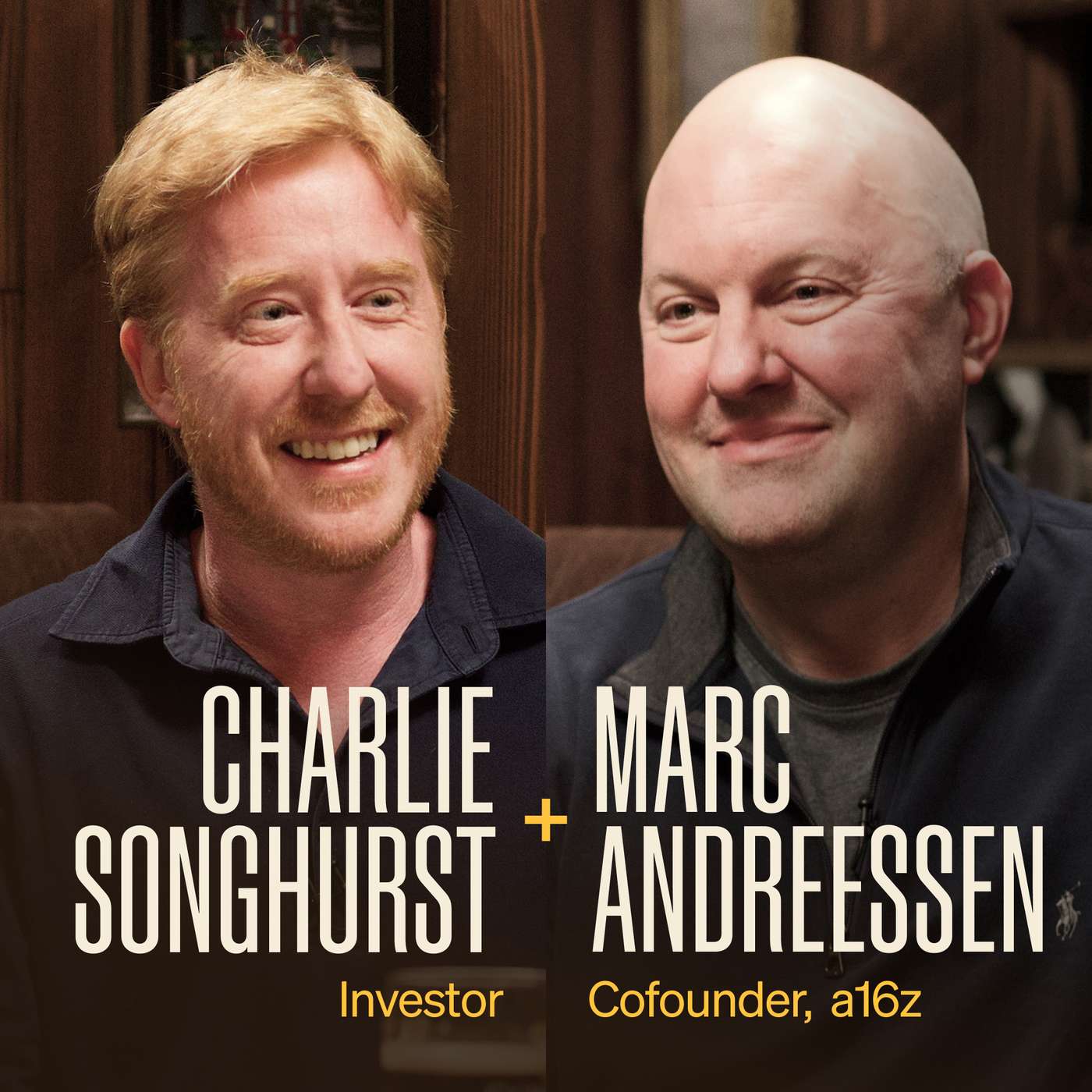
At Tesla, critical priorities weren't chosen from a list of options; they were dictated by existential threats. The focus became whatever problem would cause bankruptcy if left unsolved. This creates an intense, survival-driven roadmap that forces clarity and action.

Countering the "get out of the way" mantra, Turing's CEO argues leaders must stay close to the details. He emulates a strategy of identifying the single most critical problem each week and working hands-on with the relevant team to unblock it, rather than operating through layers.

To get an unfiltered view of progress and maintain urgency, Musk runs highly detailed, weekly engineering reviews. He bypasses direct reports and has their team members provide updates directly, with no advance preparation allowed. This allows him to mentally plot progress and intervene only when success seems impossible.
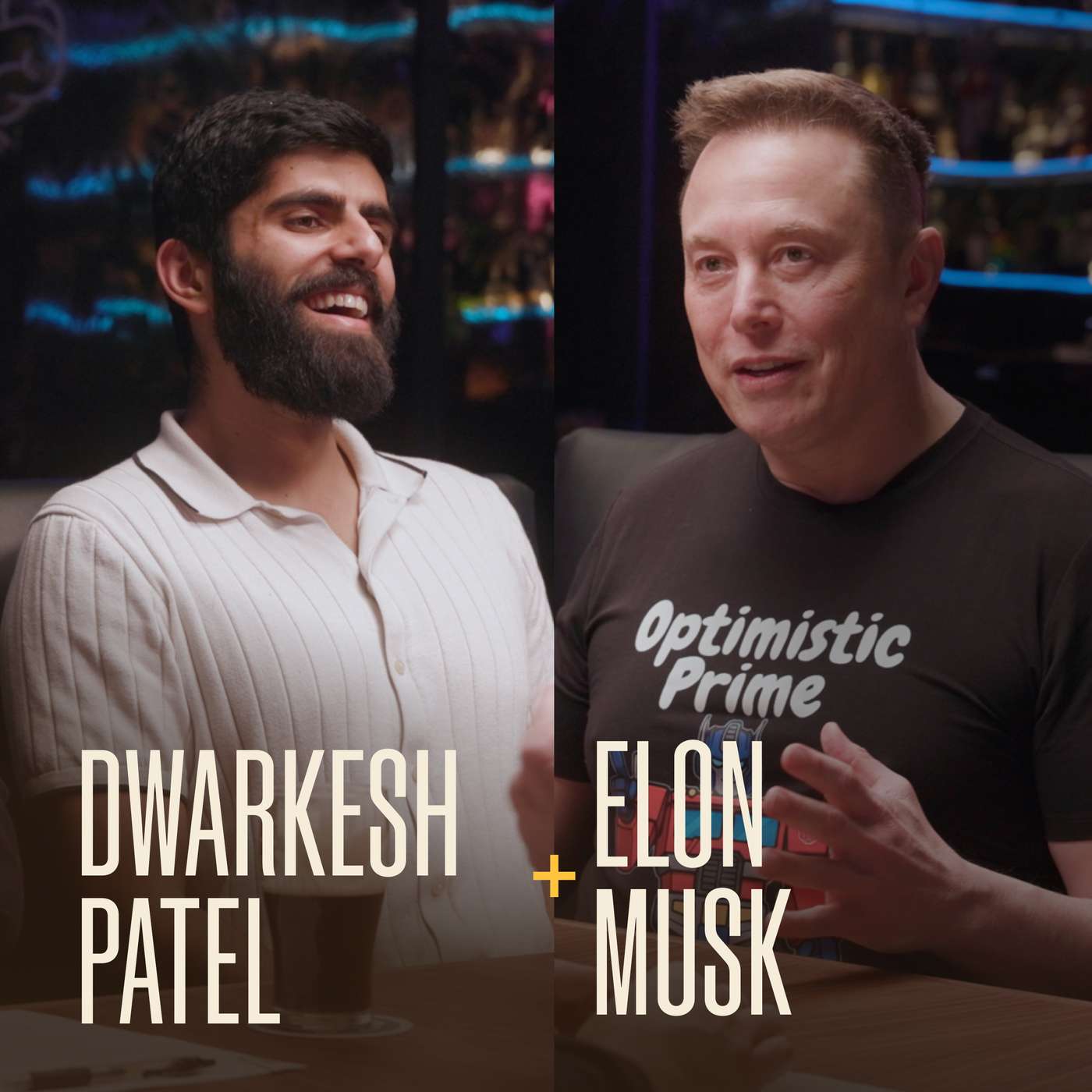
While one might hope to build a successful hardware company without being 'uncompromisingly demanding,' experience suggests otherwise. People are capable of far more than they believe, but almost always require extrinsic motivation. This tough leadership style appears necessary for succeeding in competitive hardware manufacturing.
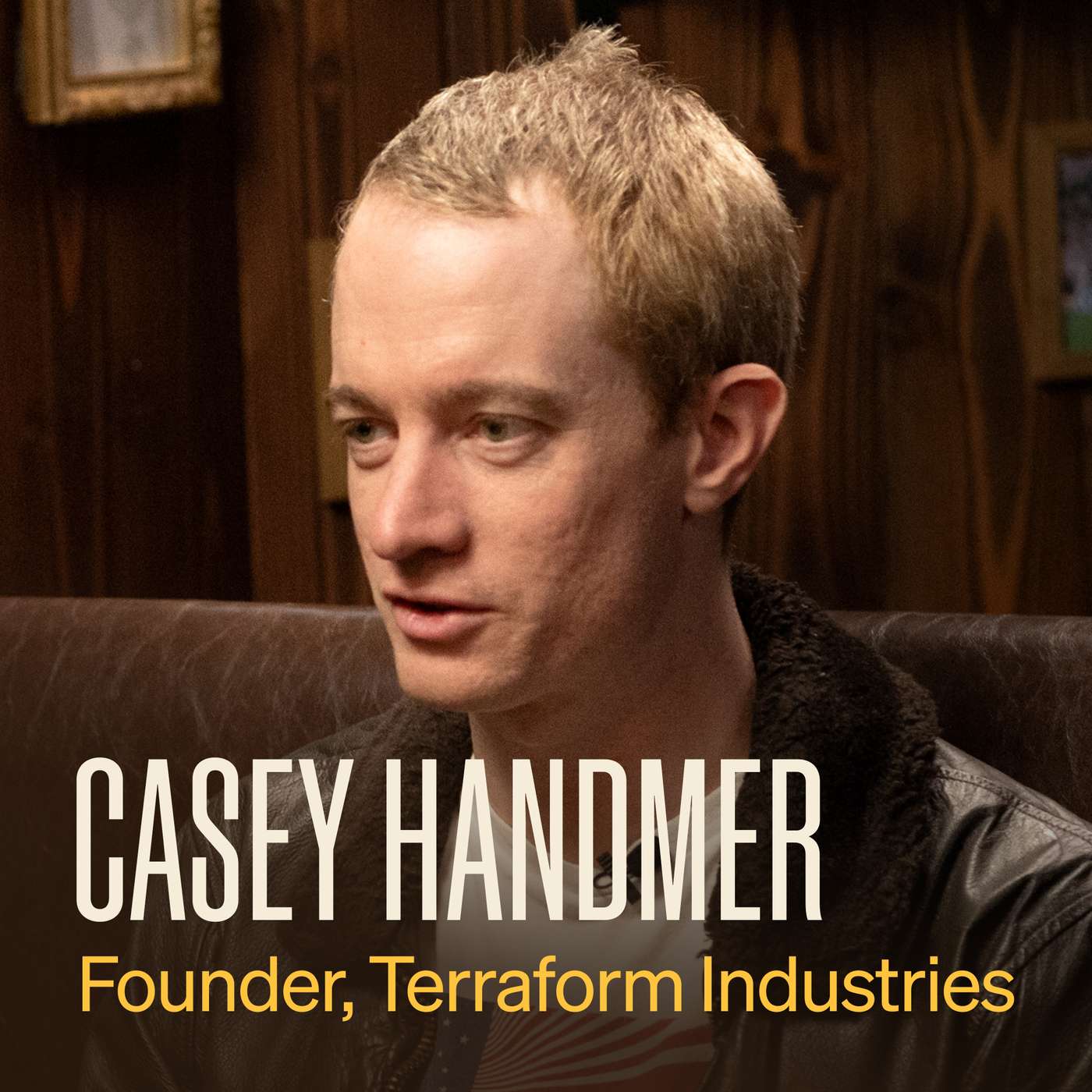
Effective leadership in a fast-moving space requires abandoning the traditional org chart. The CEO must engage directly with those closest to the work—engineers writing code and salespeople talking to customers—to access unfiltered "ground truth" and make better decisions, a lesson learned from Elon Musk's hands-on approach.

Contrary to the popular advice to 'hire great people and get out of their way,' a CEO's job is to identify the three most critical company initiatives. They must then dive deep into the weeds to guarantee their success, as only the CEO has the unique context and authority to unblock them.

The most effective CEOs avoid medium-level tasks, focusing instead on high-level strategy and, counterintuitively, minor details. These small defects serve as a "spot check" to diagnose and fix the flawed underlying process—the "generating function"—that created them, providing powerful leverage.
Contrary to the model of steady weekly hours, Elon Musk’s effectiveness may come from a different pattern: identifying critical problems and applying short, intense bursts of obsessive micromanagement (e.g., 100-hour weeks sleeping on the factory floor) before pulling back.

Musk's approach is radical de-layering. He avoids the 'compounding lies' of middle management by going to the source of truth: the engineers. He identifies the week's biggest bottleneck and works directly with the relevant engineer to solve it, creating unparalleled problem-solving velocity.
