Get your free personalized podcast brief
We scan new podcasts and send you the top 5 insights daily.
Success hinges more on obsessive follow-through than a theoretically perfect strategy. This is achieved through clear, cascaded objectives for every employee and rigorous, regular performance monitoring to ensure accountability.

Related Insights
To ensure alignment, Matt Spielman's coaching process starts with senior leadership. When managing partners define and share their "game plans," their goals become the organization's goals. This creates a natural cascading effect, as direct reports align their own objectives to support the firm's primary mission.
![[REPLAY] Matt Spielman – Executive Coaching in Asset Management (Capital Allocators, EP.210) thumbnail](https://static.libsyn.com/p/assets/f/b/7/6/fb76e1c8bfb69e8dd959afa2a1bf1c87/CA_Square_logo_light_background_6.26.24.jpg)
The most successful founders, like Koenigsegg, say the same things on day one as they do 20 years later. Their success comes not from pivoting, but from the relentless, decades-long execution of a single, powerful vision. This unwavering consistency compounds into a massive competitive advantage and defines the company's character.

To be seen as a strategic executor, consistently apply a simple three-step process: 1) Say what you're going to do. 2) Do the work. 3) Say you did it, celebrating the outcome and reminding stakeholders of the original commitment. This loop builds trust and reinforces your strategic capability.

Businesses should focus on creating repeatable, scalable systems for daily operations rather than fixating on lagging indicators like closed deals. By refining the process—how you qualify leads, run meetings, and follow up—you build predictability and rely on strong habits, not just individual 'heroes'.
Contrary to the popular advice to 'hire great people and get out of their way,' a CEO's job is to identify the three most critical company initiatives. They must then dive deep into the weeds to guarantee their success, as only the CEO has the unique context and authority to unblock them.

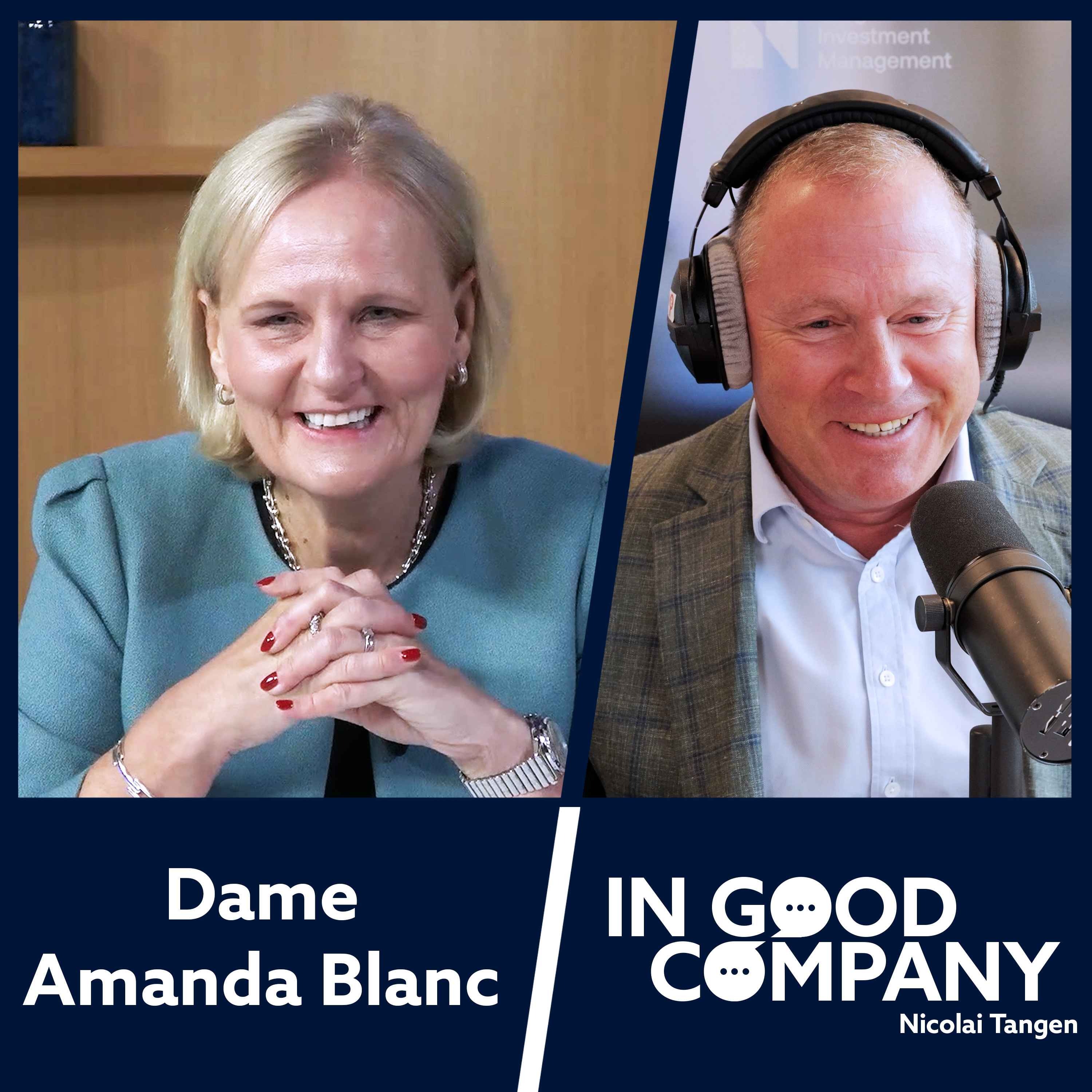
Aviva CEO Amanda Blanc believes superior execution of a good strategy is better than a brilliant one with poor follow-through. Her method involves cascading clear objectives to every employee, conducting relentless performance reviews, and embedding customer feedback at the highest levels to ensure actions consistently align with stated goals.
The most valuable professionals are neither pure visionaries nor pure executioners; they are "step builders." This means they can understand a high-level strategic vision and then map out the granular, sequential steps required to achieve it. This skill is critical for turning ambitious goals into reality.

The company culture is driven by a weekly mantra: "What is the one thing that you will put unreasonable effort to this week to contribute towards our most important goal?" This framing forces extreme focus and intensity, elevating execution beyond simply working hard on high-priority objectives.

Spreading excellence should not be like applying a thin coat of peanut butter across the whole organization. Instead, create a deep "pocket" of excellence in one team or region, perfecting it there first. That expert group then leads the charge to replicate their success in the next pocket, creating a cascading and more robust rollout.
Balance a multi-decade company vision with an intense, minute-by-minute focus on daily execution. This dual cadence keeps the long-term goal in sight while ensuring relentless forward progress, creating a culture of both ambition and urgency.
