Get your free personalized podcast brief
We scan new podcasts and send you the top 5 insights daily.
The end of the US election cycle will trigger a dramatic resurgence in forward-looking, optimistic debate about global cooperation. The focus will shift so rapidly to the future that the current Trump-centric turmoil will be 'overlooked,' creating space for new policy agendas.

Related Insights
Hope is framed not as a sentiment, but as a core political strategy. If voters believe improvement is possible, they will vote for change. Conversely, if convinced that things are hopeless and will never improve, they are more likely to stick with the status quo, benefiting the incumbent party by default.
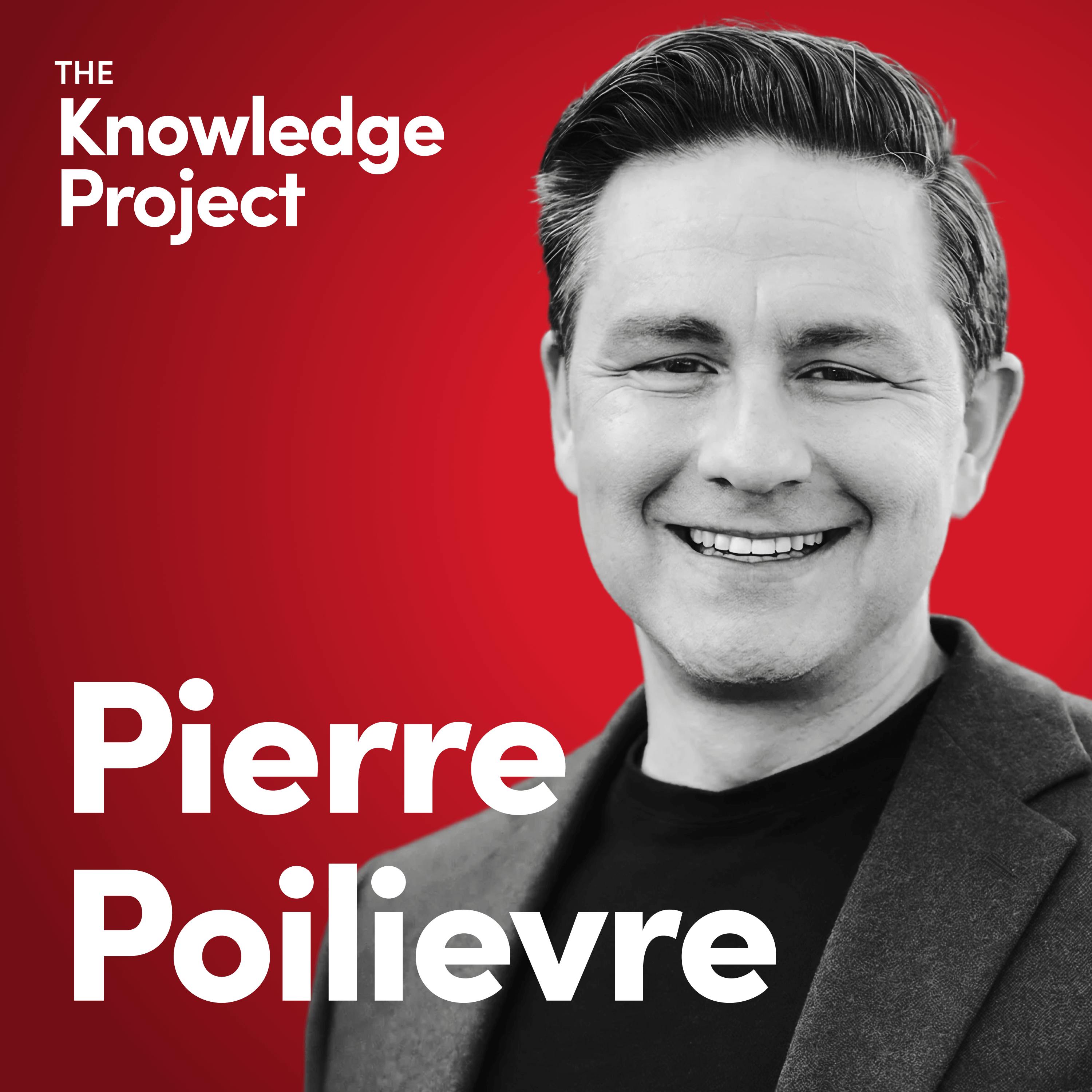
Trump's re-election shatters the perception that his first term was an aberration. Allies now see his brand of foreign policy as a persistent feature of the American political landscape. Any future US administration, even a traditional one, will face deep skepticism as partners anticipate the pendulum could swing back.
A single Trump term was viewed globally as an aberration, but a second would force a permanent recalculation of America's reliability. All countries will adjust their relationship with the US, making it significantly more challenging for any future administration to sustain America's traditional global leadership role.
Most politicians focus on current grievances or pander to specific groups. Truly effective leaders articulate a clear, forward-looking vision for the country—a quality often suppressed by big-money donors who demand adherence to a party line.

The current expectation for legislative stalemate could be completely upended by a significant economic downturn. A recession would make fiscal stimulus more politically appealing to both parties, consistent with historical patterns, creating an environment for policy action that otherwise seems unlikely given the political landscape.

Commentators recognize that Donald Trump's constant controversial presence drives significant media attention. They are strategically planning for a future where politics may become less sensational, forcing them to find new ways to retain audience engagement in a quieter attention economy.

The American tendency to view the world as an expanding pie, not a finite one to be divided, is a significant geopolitical advantage. This positive-sum mindset encourages joint ventures and makes the U.S. an inherently less threatening and more attractive partner for other nations.

The series of global AI summits (Bletchley, Seoul, Paris) have demonstrated a profound ability to steer the international conversation. The focus has progressively shifted from initial concerns about safety (Bletchley) to corporate commitments (Seoul) and then to a more optimistic, pragmatic focus on AI adoption (Paris).

The world is shifting from a post-WWII "bundled" phase of globalization to an "unbundled" phase of populism. This decoupling, driven by anger at elite exploitation, is a predictable historical cycle, much like the recurring bundling and unbundling of media services.
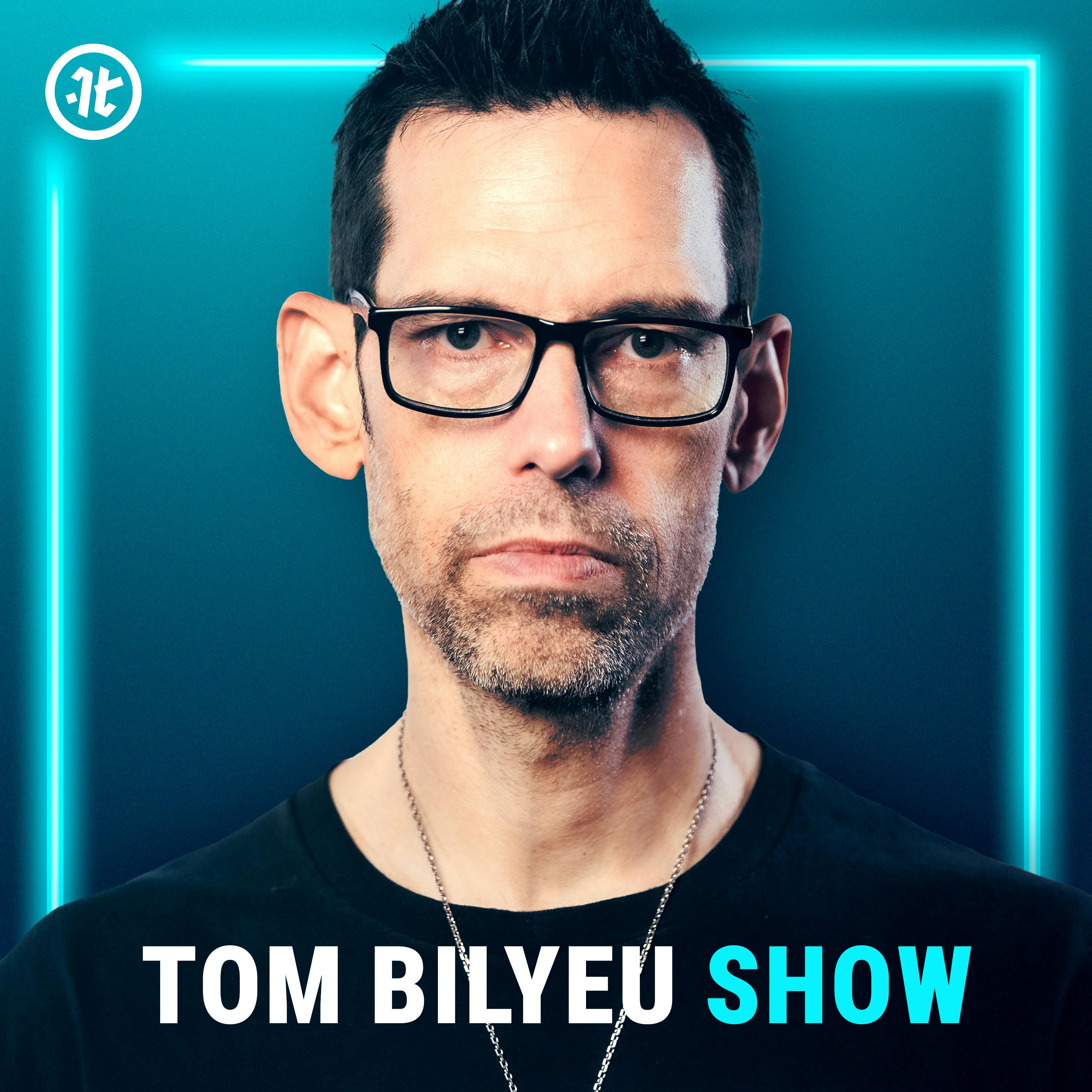
Rahm Emanuel predicts presidential politics will pivot away from Trump's persona. He argues the electorate will crave a mature leader focused on building the future, contrasting this with both Trump's and Biden's focus on restoring a past that is not returning.
