Get your free personalized podcast brief
We scan new podcasts and send you the top 5 insights daily.
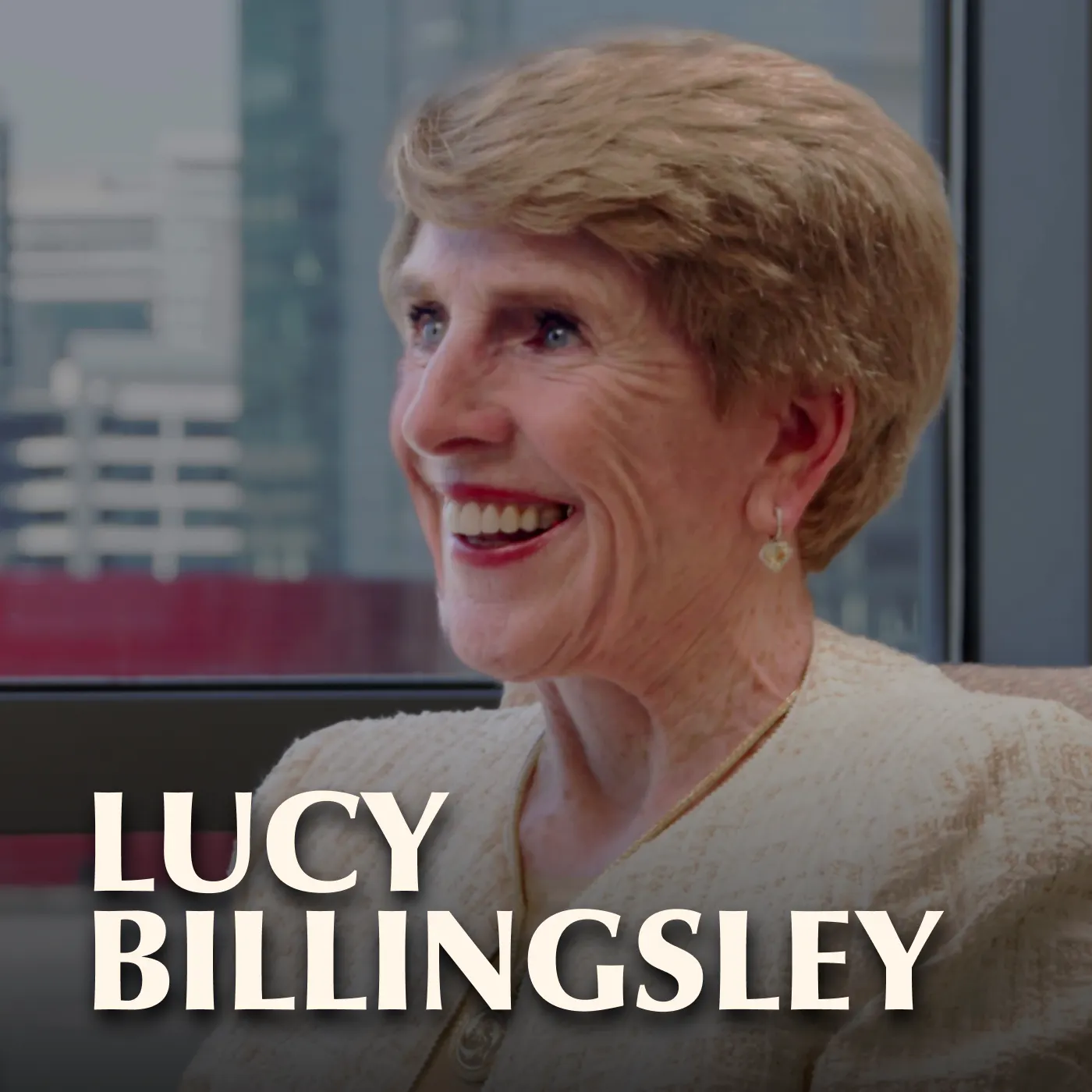
To transform a land tract from a random collection of buildings into a cohesive "place," Billingsley Company first designs the public spaces—streets, parks, and amenities. This public arena is then activated with events and unique destination activities, establishing a sense of community that makes the entire development more valuable.
Related Insights
The most valued parts of the event were not the keynotes, but breakout groups and off-site excursions like pickleball. These activities create a "third space"—separate from work and home—where attendees can form genuine human connections, which is often the ultimate, unstated goal of attending.

The "Not In My Backyard" (NIMBY) problem for infrastructure like datacenters can be overcome with creative architecture. The example of a Danish power plant featuring a public ski slope on its roof shows how a potentially ugly, industrial facility can be transformed into a beloved community landmark and recreational space, thereby generating public support.
The most valuable networking often happens spontaneously, outside the official schedule. By moving their next event to an all-in-one resort where everyone stays on-site, the team is intentionally engineering more opportunities for valuable, unplanned interactions at the pool, coffee shop, or lobby.
To build authentic community, Plant Material hosts events like concerts and poetry readings where selling is not the focus. This creates a low-pressure environment where people can enjoy the space, fostering a long-term connection and encouraging them to return when they are ready to shop.

The high energy at the "Possible" event is attributed to its design: a central, walkable campus connecting multiple venues. This contrasts with other major events where attendees must travel between distant locations, fragmenting the experience. Proximity facilitates spontaneous interactions and a dynamic, unified atmosphere.

While often no faster than walking, iconic moving walkways like Chicago O'Hare's succeed by transforming a tedious journey into a "transportive and calming" experience. This demonstrates the high value of experiential design in otherwise utilitarian public infrastructure.

Gensler's strategy for post-pandemic work is to transform the office into a compelling destination people choose to visit. This involves reducing individual desks in favor of diverse, flexible collaboration spaces that offer experiences and social connections unavailable at home, making the commute worthwhile.

Showcasing a highly creative approach to land development, Billingsley Company purchased an entire man-made lake for its Cypress Waters project at 50¢ per foot. They then drained half of it, transforming the newly exposed land into valuable, developable lakefront property. This highlights their strategy of buying and transforming unusual circumstances.
Norman Foster argues that privately funded buildings exist in the public domain and must serve the community. Design should be approached simultaneously from the 'inside out' for occupants and the 'outside in' for the public, enhancing the surrounding neighborhood rather than creating an isolated island.

To combat public opposition, industrial facilities like data centers can integrate community amenities directly into their design. The CopenHill power plant in Copenhagen, which features a public ski slope and hiking trail on its roof, serves as a prime example of how to turn a potential eyesore into a beloved local landmark.
