Get your free personalized podcast brief
We scan new podcasts and send you the top 5 insights daily.
The publishing industry's restrictive and often unsupportive model generates 'cynicism at scale.' This pushes talented writers, who feel stifled or abandoned, toward platforms like Substack where they can maintain creative control and build a sustainable career on their own terms.

Related Insights
Success in publishing can become a creative trap. Publishers often reject new projects from their bestselling authors if they deviate from an established genre. This risk-averse behavior pigeonholes proven talent and stifles their creative evolution, forcing them to stick to what's safe.
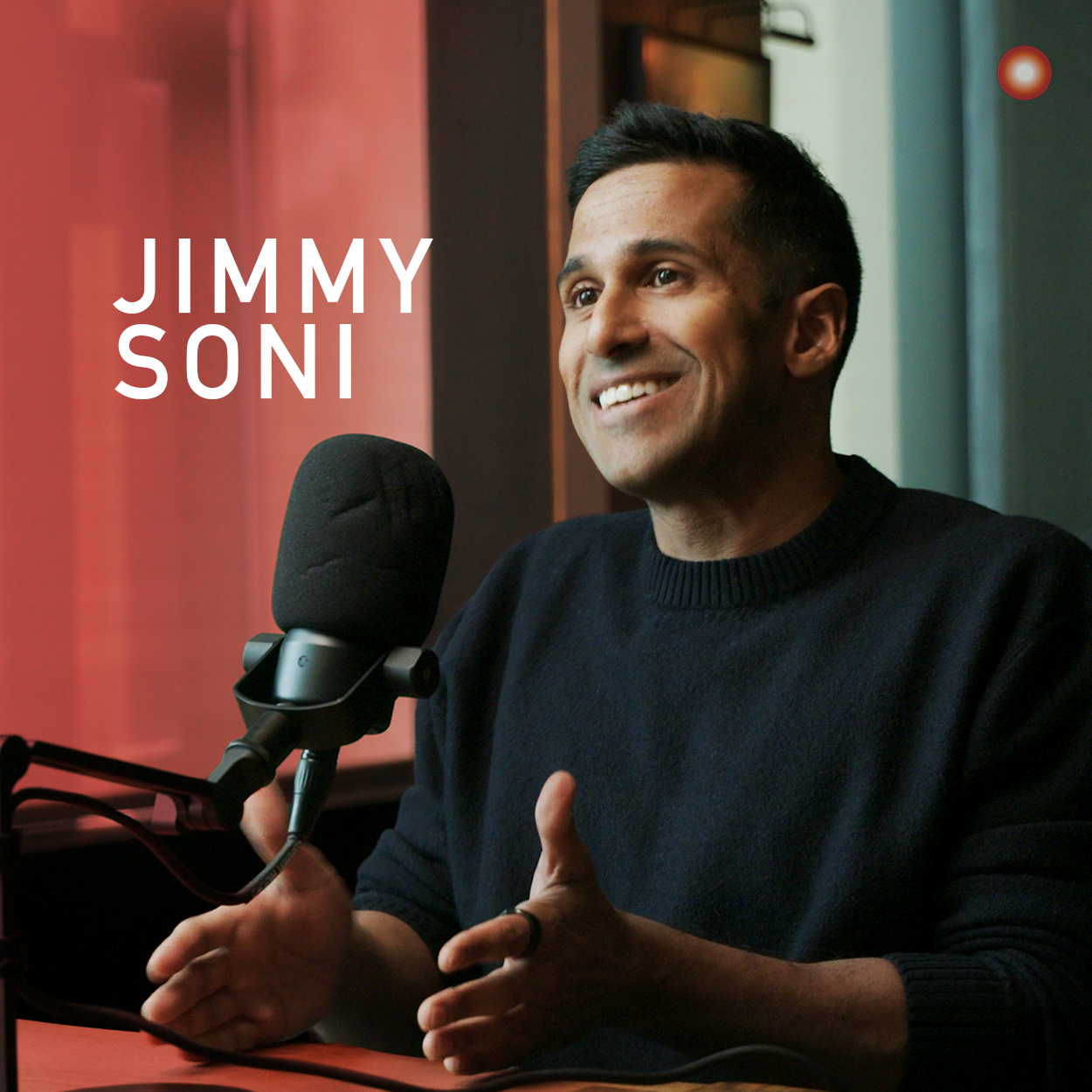
Creativity is a struggle between time and resources. A publisher's explicit goal should be making authors millionaires, not for luxury, but for sustainability. Financial independence allows talented writers to dedicate their time to their craft, creating a virtuous cycle for both author and publisher.
Successful journalists combine platforms. They use legacy media for brand credibility, editing, and infrastructure, while direct-to-consumer platforms like Substack allow for faster publishing and capturing a much larger share (70-90%) of the economic value they create.
Publishers often reject projects from their own successful authors if they deviate from a proven genre. This 'stay in your lane' mentality prioritizes predictable revenue over an author's creative evolution, which can be psychologically damaging and lead to great works never being created.
A16Z invested in Substack believing that providing writers with a monetization tool would unlock a new supply of high-quality content. This new supply would, in turn, create its own demand, rather than competing in the existing market for free content.
The label "problem author" was once negative, but now it's a strategic necessity. With authors often commanding larger audiences than their publishers, they must leverage this power to challenge outdated, opaque processes and force necessary industry-wide improvements for their book's success.
The media landscape has fundamentally changed. Value is no longer concentrated in institutional brands like the New York Times. Instead, it has shifted to individual, 'non-fungible' writers who can now build their own brands and businesses on platforms like Substack.

Substack offers a powerful platform for writers to build a direct audience and revenue stream through subscriptions. It's an ideal alternative for creators who excel at writing over video, allowing them to directly monetize their skills and build a recurring revenue business.

Traditional publishers struggle with entrepreneurial authors who market their own work. The publishers' standard 'trust us' approach fails to articulate a clear value proposition, making self-publishing a more attractive and logical path for authors with business acumen.
In the creator economy, success isn't always defined by venture-backed growth. Many top creators intentionally cap their audience size and reject outside investment to maintain full control over their business and content, defining success as a sustainable, manageable enterprise rather than a unicorn.
