Get your free personalized podcast brief
We scan new podcasts and send you the top 5 insights daily.
Shifting to outcome-based pricing is impossible without two prerequisites: a unique point of view and a productized flagship offer. This combination proves the methodology and significantly reduces the client's perceived risk, making them willing to pay for a guaranteed result rather than itemized hours.

Related Insights
Navy CTO Justin Fanelli advises founders to stop asking to be paid for their time and instead price their solutions based on the outcomes and value they deliver. This aligns incentives with the government buyer, rewards impact over effort, and demonstrates a modern, software-defined mindset.

A customer negotiating an $800/mo SaaS tool down to $500 immediately agreed to an $8,000/mo service focused on deliverables. This demonstrates that customers anchor pricing to the value of the outcome, not the cost of the tool, creating massive pricing leverage for outcome-based offerings.

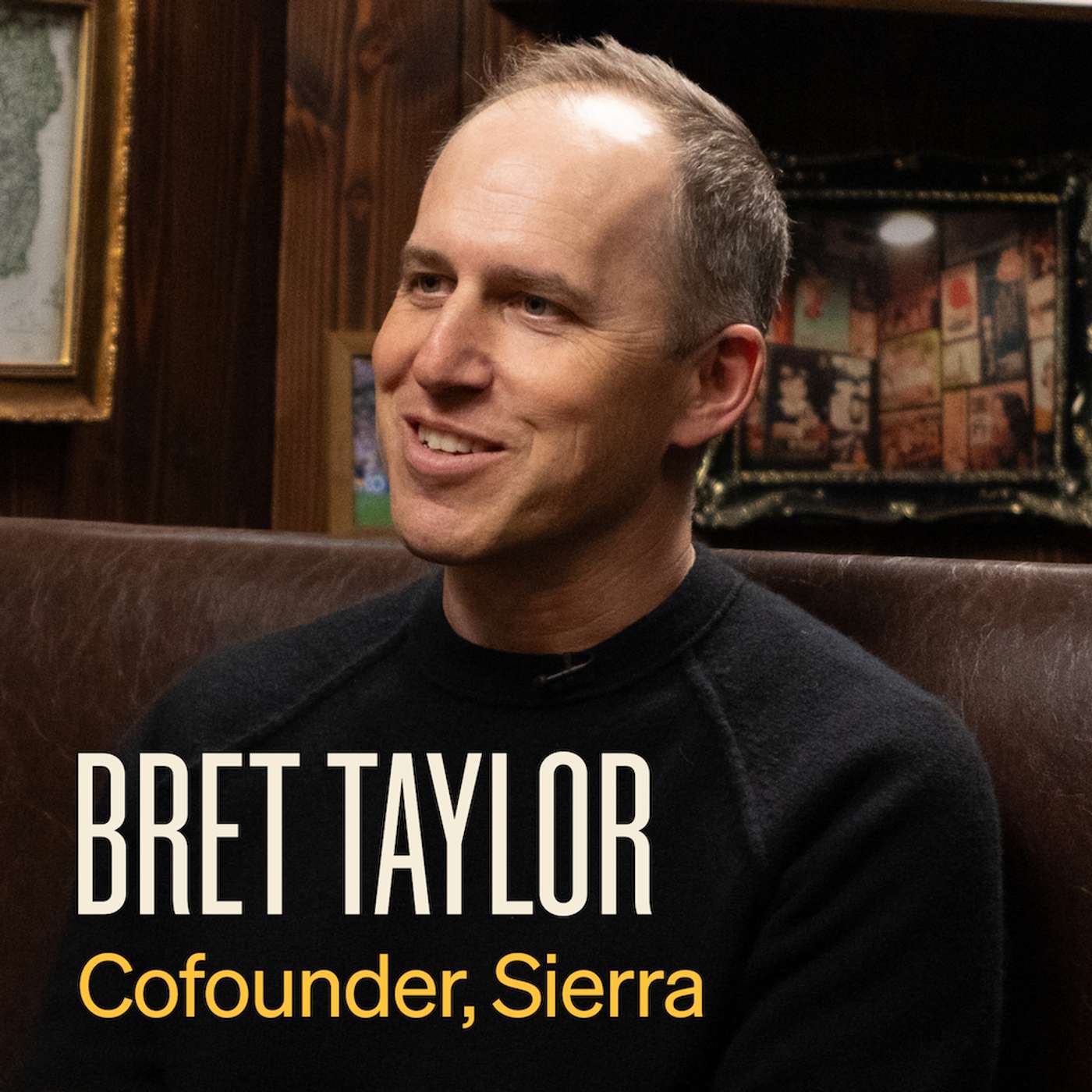
AI company Sierra uses an outcomes-based model, charging clients only for successful resolutions. CEO Bret Taylor explains this forces his team to prioritize rapid, effective deployment ("go-live process") over traditional sales cycles, as revenue is directly tied to customer value, not software licenses.

Proposing an outcome-based pricing model next to a high fixed-fee option forces the negotiation to focus on value, not cost. Even if the customer chooses the fixed fee, they're anchored on a much higher number and are less likely to negotiate it down significantly.

AI dramatically reduces the time required for tasks, rendering hourly billing obsolete for service providers. The strategic move is to stop charging for time and instead price projects based on outcomes. This allows you to capture the efficiency gains from AI as profit, rather than simply reducing billable hours.

The consulting giant is shifting its business model from pure advisory work (fee-for-service) to an outcomes-based approach. McKinsey co-creates a business case with the client and contractually underwrites the results, aligning its incentives directly with client success.
Charging a flat hourly rate is a 19th-century model that ignores the actual value delivered. As measurement improves, agencies can and should shift to a value-based model, pricing their services based on the tangible outcomes and impact they generate for a client's business.

Bret Taylor of Sierra argues outcome-based pricing (charging for a resolved case) is superior to usage-based pricing (charging for tokens). It aligns vendor and customer interests by tying cost directly to business value, not resource consumption. This forces the vendor to improve product effectiveness, not just optimize for usage.
Instead of billing hourly, consultants should use a 'calculator close' to quantify the total financial value (savings, efficiencies) their service provides. By charging a percentage of that ROI (e.g., 30%), they anchor their fee to outcomes, not time, which can double or triple revenue without needing more clients.

Customers won't pay for abstract benefits like 'community' or 'support.' Frame your offer around tangible results they can achieve, such as 'master a skill in 3 hours instead of 30,' to justify a premium price.
