Get your free personalized podcast brief
We scan new podcasts and send you the top 5 insights daily.
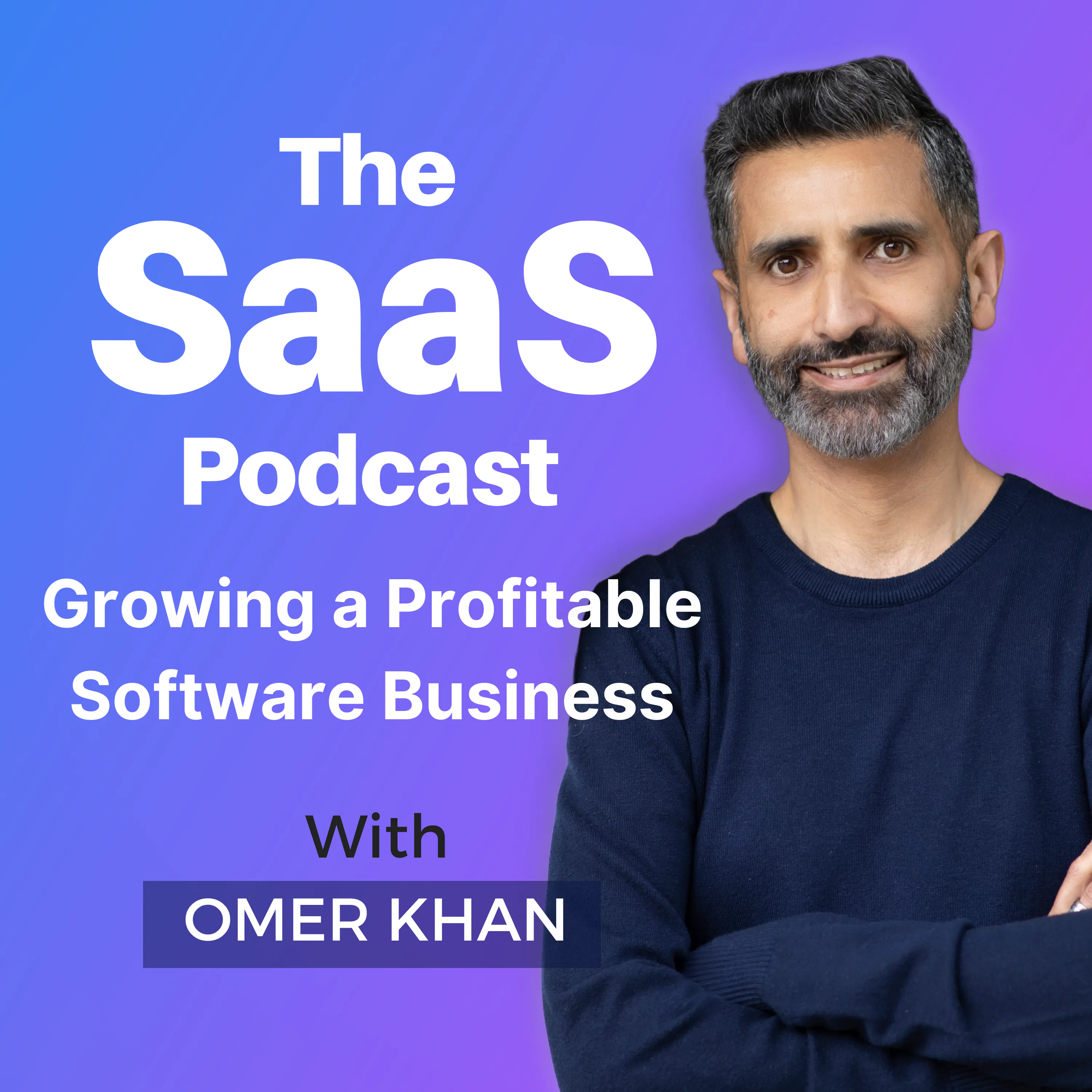
A customer negotiating an $800/mo SaaS tool down to $500 immediately agreed to an $8,000/mo service focused on deliverables. This demonstrates that customers anchor pricing to the value of the outcome, not the cost of the tool, creating massive pricing leverage for outcome-based offerings.
Related Insights
A tool saving a company $20K/mo on ads might only command a $5K/mo price. The exact same tool, repositioned as doubling leads for the same ad spend, could command a $40K/mo price because it aligns with the high-value strategic goal of growth.
When a prospect pushes back on price, it's rarely about the absolute dollar amount. It's a symptom that they don't fully believe you can deliver the promised transformation or value. The salesperson's primary challenge is to build conviction in the outcome, which makes the price an easy decision in comparison.

Customers don't care about your P&L or that a competitor is a "side hustle." To justify a higher price, you must clearly communicate tangible benefits like better organization, time savings, or superior staff, which directly improve their experience.

Proposing an outcome-based pricing model next to a high fixed-fee option forces the negotiation to focus on value, not cost. Even if the customer chooses the fixed fee, they're anchored on a much higher number and are less likely to negotiate it down significantly.
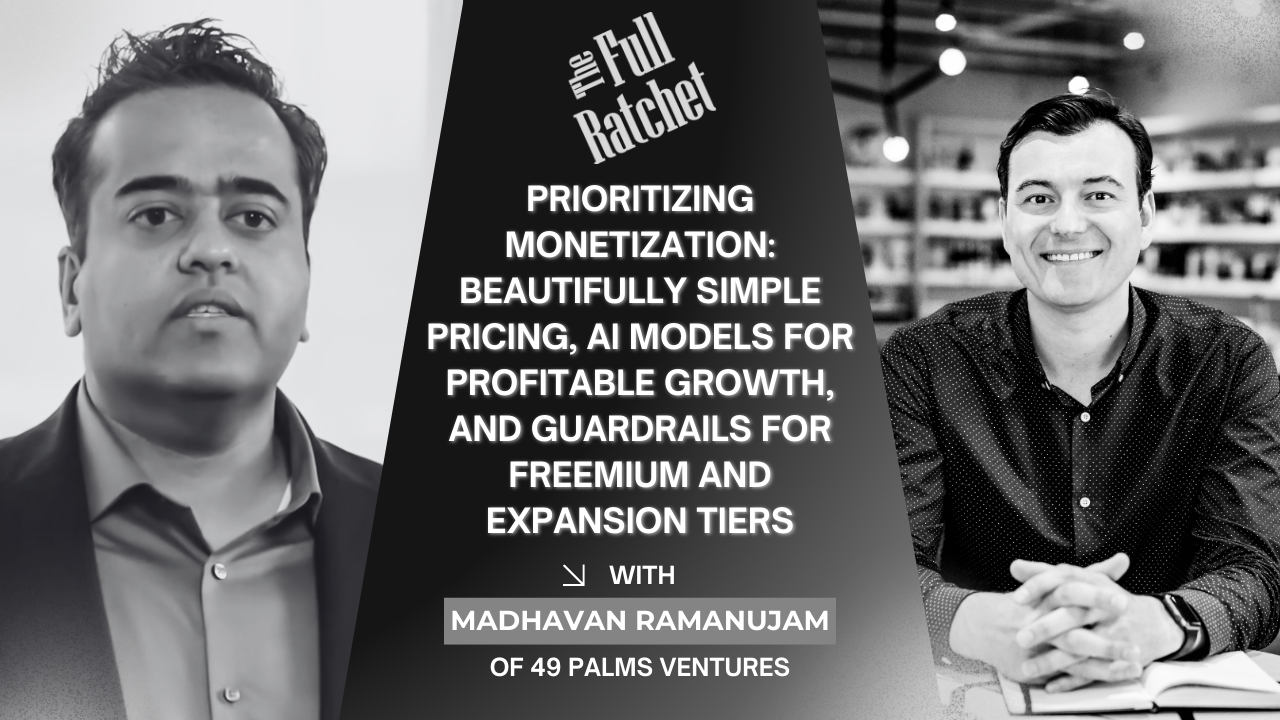
When customers balk at high usage bills, shift the conversation from cost control to strategic outcomes. Frame the expense as the price for getting a product to market months earlier, capturing significant market share worth millions.

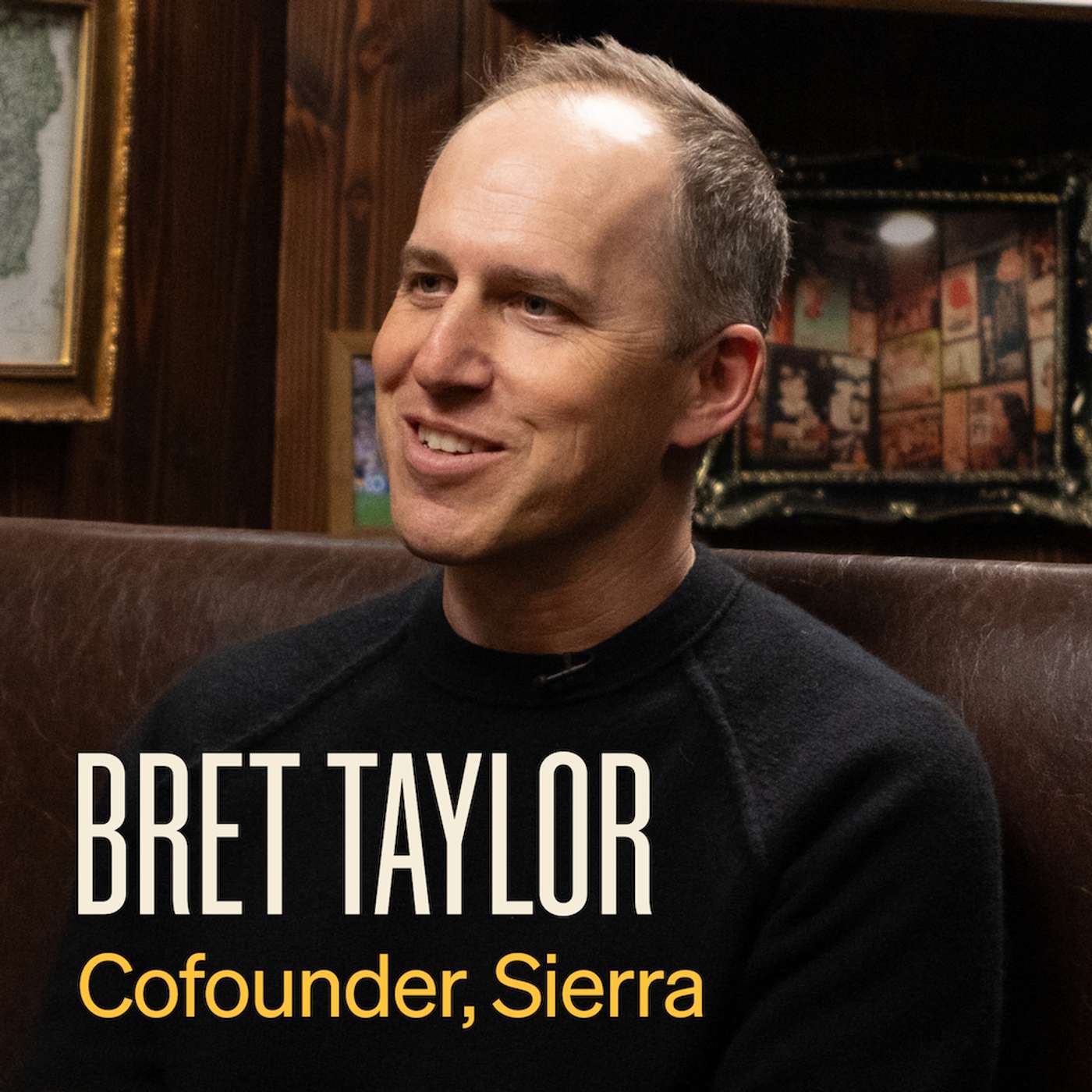
Bret Taylor of Sierra argues outcome-based pricing (charging for a resolved case) is superior to usage-based pricing (charging for tokens). It aligns vendor and customer interests by tying cost directly to business value, not resource consumption. This forces the vendor to improve product effectiveness, not just optimize for usage.
When negotiating a price increase, if the customer accepts immediately without pushback, it’s a strong signal you've significantly underpriced your product. Buildots' founder prepared for a negotiation over a 4x price increase, but the client agreed instantly, revealing the product's true value.

Instead of billing hourly, consultants should use a 'calculator close' to quantify the total financial value (savings, efficiencies) their service provides. By charging a percentage of that ROI (e.g., 30%), they anchor their fee to outcomes, not time, which can double or triple revenue without needing more clients.

Customers won't pay for abstract benefits like 'community' or 'support.' Frame your offer around tangible results they can achieve, such as 'master a skill in 3 hours instead of 30,' to justify a premium price.

Never present a price in a vacuum. Just before revealing the investment amount, explicitly summarize the customer's key challenges and pains. Gaining their agreement on the severity of the problem anchors the price to the value of the solution, making the cost seem more reasonable in comparison.
