Get your free personalized podcast brief
We scan new podcasts and send you the top 5 insights daily.
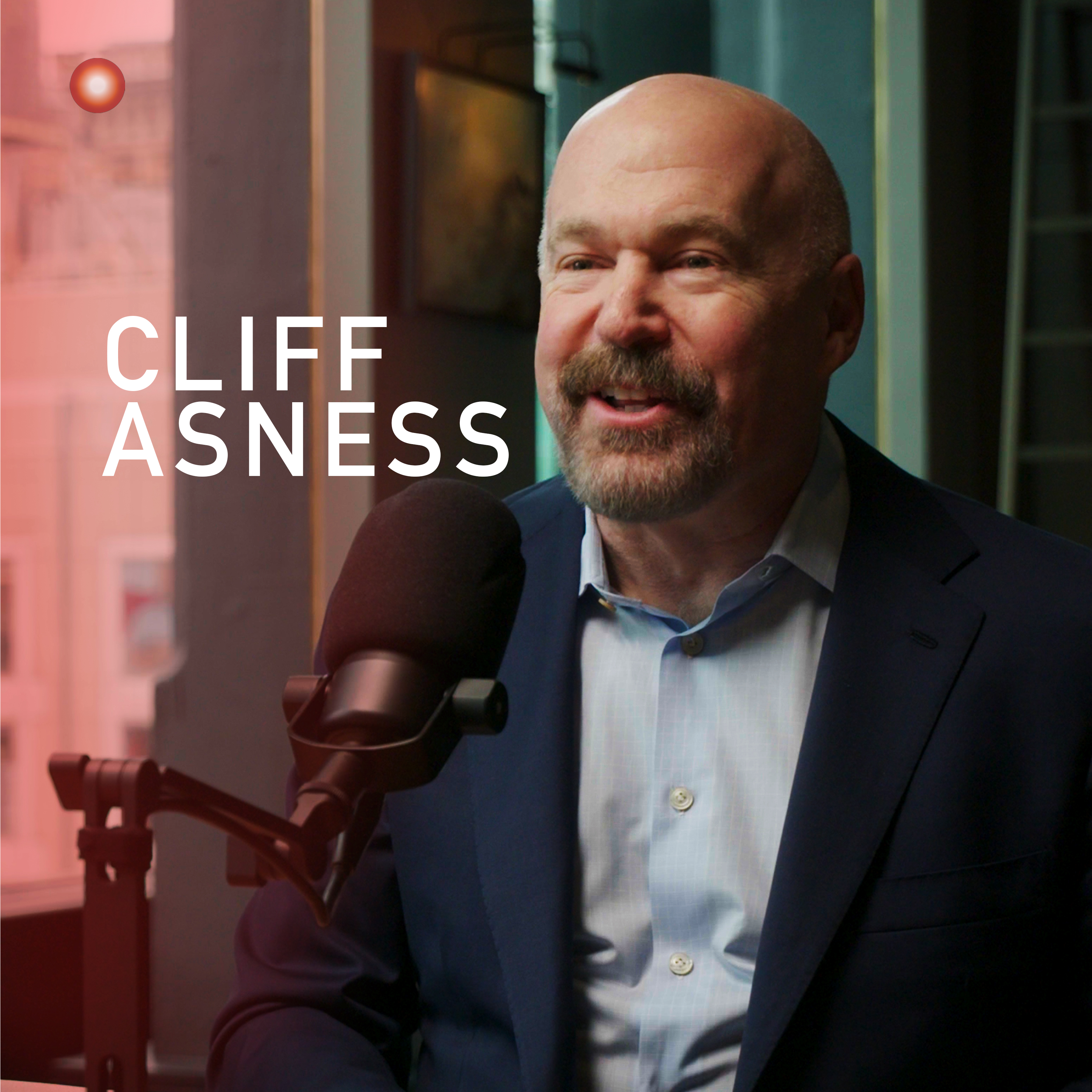
AQR's public communication and conviction intensify during downturns caused by market mania, like valuation spreads blowing out. However, if losses stem from a factor model failing, the response is to re-evaluate, not double down. The 'why' behind the loss dictates the strategy.
Related Insights
Continuously engaging in vociferous public debates to defend an investment can create intellectual lock-in. This emotional attachment makes it significantly harder to remain objective, think clearly, and ultimately change your mind when new information contradicts your thesis.

To avoid making emotionally-driven changes after a losing streak—which Cliff Asness calls his "only negative five sharp ratio strategy"—AQR delays implementing major model adjustments for six months. This forced cooling-off period ensures decisions are based on rigorous research, not recent performance.
In a rising market, the investors taking the most risk generate the highest returns, making them appear brilliant. However, this same aggression ensures they will be hurt the most when the market turns. This dynamic creates a powerful incentive to increase risk-taking, often just before a downturn.

Post-mortems of bad investments reveal the cause is never a calculation error but always a psychological bias or emotional trap. Sequoia catalogs ~40 of these, including failing to separate the emotional 'thrill of the chase' from the clinical, objective assessment required for sound decision-making.

The primary driver of market fluctuations is the dramatic shift in attitudes toward risk. In good times, investors become risk-tolerant and chase gains ('Risk is my friend'). In bad times, risk aversion dominates ('Get me out at any price'). This emotional pendulum causes security prices to fluctuate far more than their underlying intrinsic values.

Contrary to typical risk-off strategies, ARK Invest manages risk by concentrating its portfolio into its highest-conviction names during market downturns. Conversely, during bull markets, as opportunities like IPOs increase, the firm diversifies its holdings to capture broader upside.

AQR's Cliff Asnes highlights that a prolonged period of underperformance is psychologically and professionally more damaging than a sharper, shorter drop. Enduring a multi-year drawdown erodes client confidence and forces painful business decisions, even if the manager's conviction in their strategy remains high.

Based on Daniel Kahneman's Prospect Theory, once investors feel they are losing money, their behavior inverts. Instead of cutting losses, they adopt a "double or nothing" mentality, chasing high-risk gambles to escape the psychological pain of loss.

AQR's founder argues that markets are fundamentally "voting mechanisms" where price is a dollar-weighted average of opinions. Arbitrage is limited because correcting a mispricing becomes progressively riskier for less reward. Therefore, if a misguided belief is backed by enough capital, it can dominate and push prices away from fundamental value.
A core discipline from risk arbitrage is to precisely understand and quantify the potential downside before investing. By knowing exactly 'why we're going to lose money' and what that loss looks like, investors can better set probabilities and make more disciplined, unemotional decisions.
