Get your free personalized podcast brief
We scan new podcasts and send you the top 5 insights daily.
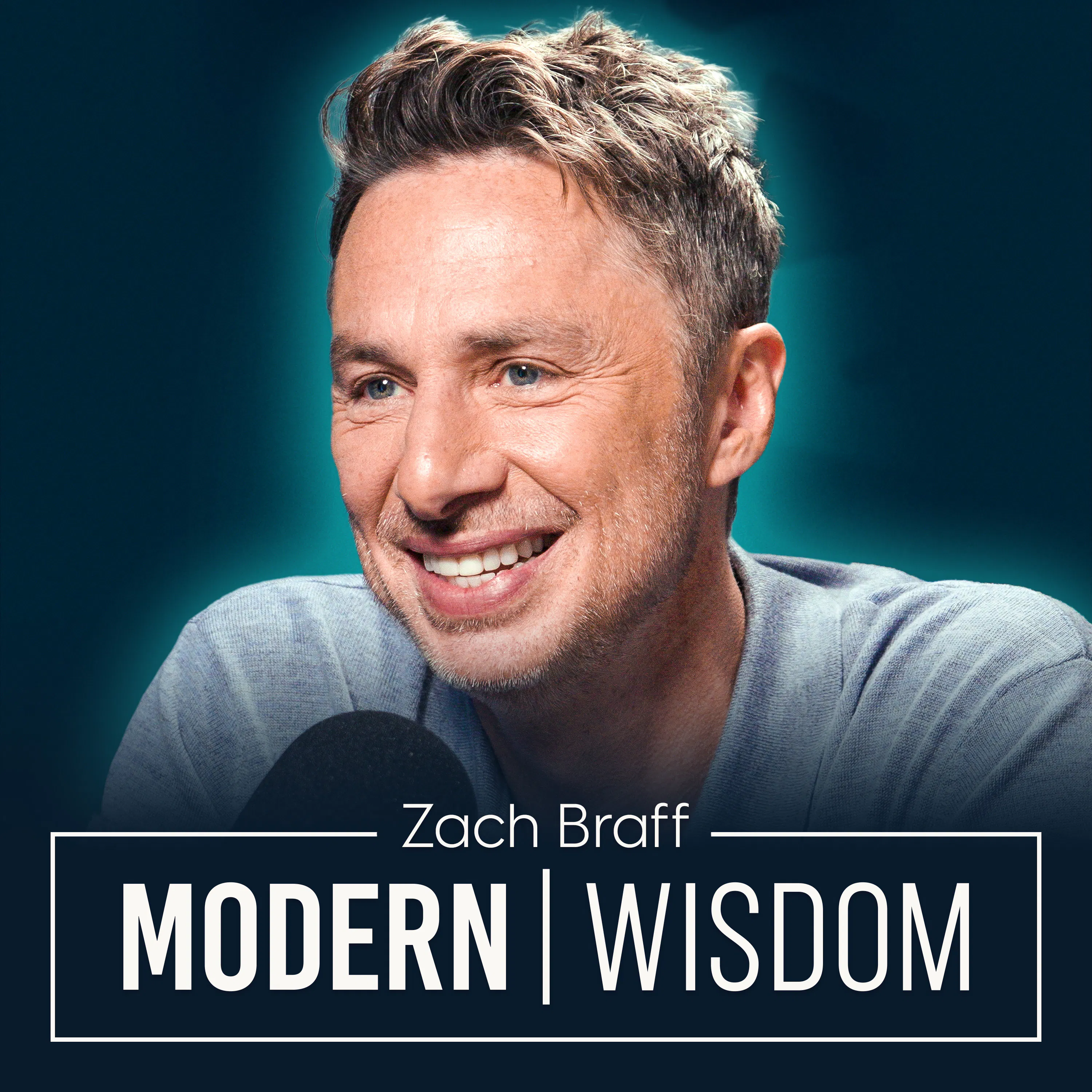
The First Assistant Director marshals the entire crew and cast to keep a production on schedule. Zach Braff highlights this immense, often overlooked operational role is so stressful that First ADs stereotypically "die young."
Related Insights
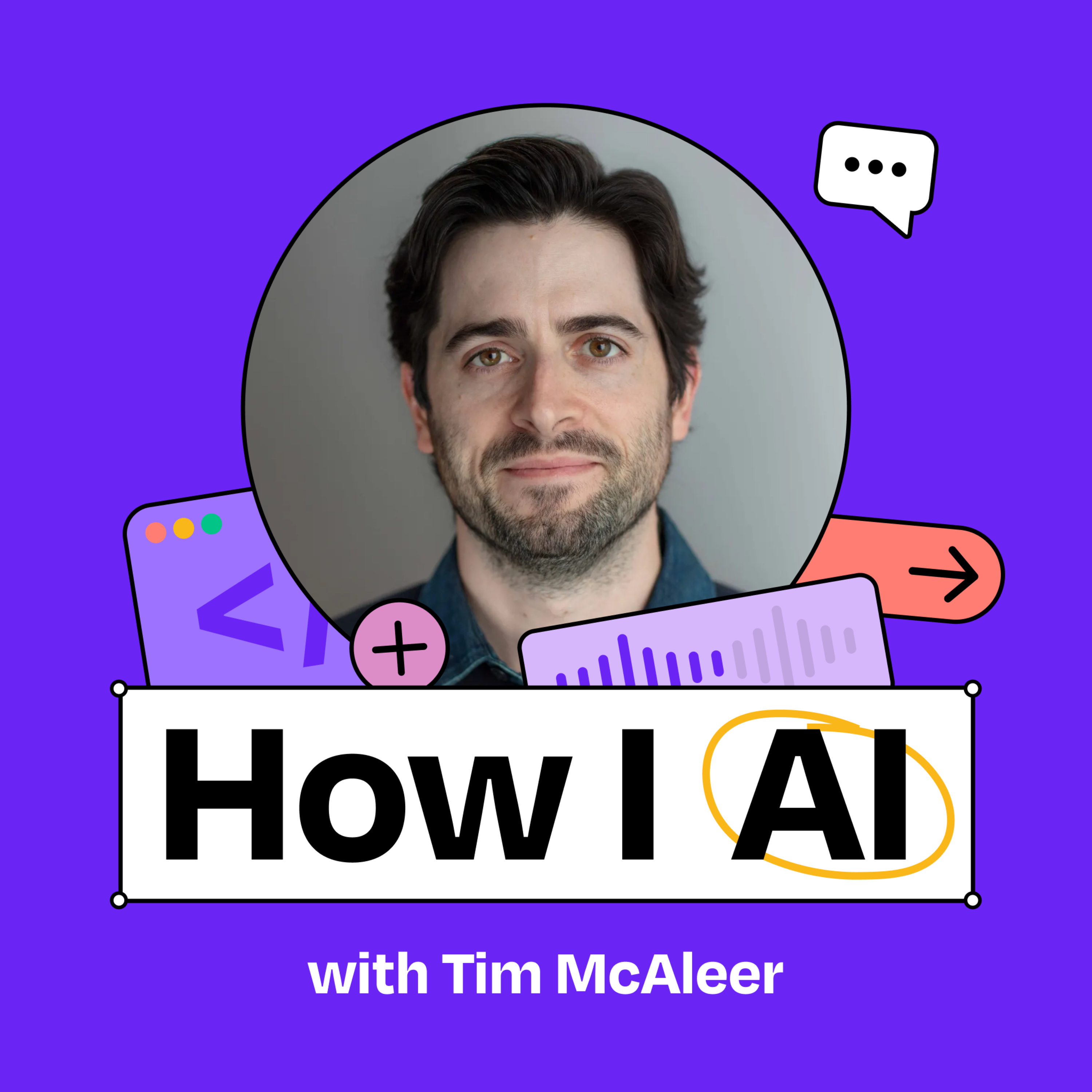
While generative video gets the hype, producer Tim McLear finds AI's most practical use is automating tedious post-production tasks like data management and metadata logging. This frees up researchers and editors to focus on higher-value creative work, like finding more archival material, rather than being bogged down by manual data entry.
The primary source of CEO stress isn't the volume of work, but the emotional weight of being responsible for the livelihoods and faith of employees, investors, and customers. This constant pressure is the hardest part of the job.

Zach Braff likens the director to an orchestra conductor and the cinematographer to the first violinist. The cinematographer makes critical decisions about lighting, lenses, and color that define the film's look, a role often mistakenly attributed solely to the director.
The production intentionally aims for 10-hour days, a departure from the grueling 15-16 hour industry standard. This not only avoids ballooning overtime costs but also creates a more sustainable work environment, particularly benefiting female-dominated departments like hair, makeup, and wardrobe that bear the brunt of long hours.

The pilot for the 'Scrubs' revival features Zach Braff's character being unexpectedly put in charge by his mentor. Braff had an epiphany during shooting that this exact dynamic was happening in real life with show creator Bill Lawrence, creating a meta "passing of the torch" moment.
Deadlines weed out extraneous details and prevent the quest for perfection. They force decisive action, which, as leaders like Ed Catmull and Christopher Nolan have found, can accelerate the creative process rather than hinder it, forcing you to make something different, not just perfect.

To avoid anxiety or complacency, key production leaders use special call sheets with hidden time markers. This allows them to manage the schedule precisely without letting the entire crew know if they are ahead or behind, which is seen as a poor leadership practice.
The most tangible fear of AI in Hollywood isn't replacing A-list actors, who have leverage for consent and compensation. The immediate threat is to production jobs—grips, makeup—as AI enables digital reshoots and effects, reducing the need for on-set labor.

Zach Braff connects his childhood OCD and anxiety to his professional strengths. These traits manifest as a hypervigilant attention to detail and an ability to foresee potential problems, turning a personal mental health challenge into a creative asset for filmmaking.
A key leadership principle at SNL is to hire people who are so capable they might seem threatening. This mindset elevates the entire team's performance and ultimately reflects well on the leader who hired them, as demonstrated by former assistants now running the department.
