Get your free personalized podcast brief
We scan new podcasts and send you the top 5 insights daily.
Creators who feel trapped because their personal brand is the business can engineer an exit by leveraging their audience and capital. The strategy is to launch their own product in a category they know well, effectively transitioning from being an affiliate for others to becoming an affiliate for themselves.

Related Insights
In his first success, Thibault was the developer who partnered with an influencer for distribution. After the exit, he leveraged his own audience to become the distributor, partnering with multiple developers to build a portfolio of products. This is a model for scaling personal brand equity.

Many content creators possess the charisma for sales but struggle to build a traditional media brand. Gary Vaynerchuk posits that becoming a live shopping host or affiliate is a more direct, and often more lucrative, path to financial success and happiness for these individuals than vlogging.
Content creators can increase revenue by moving along a spectrum of monetization models, from low-risk affiliates and sponsorships to higher-risk, higher-reward options like white-labeling, taking equity in partner brands, and finally, owning their own product.

For a skilled affiliate transitioning to a personal brand, the primary obstacle isn't a lack of knowledge but the mental fortitude to endure judgment and a potential dip in results for the 18+ months the transition requires.
Many creators assume sponsorships are the ideal business model, but they are inefficient and hard to manage. A better model focuses on direct audience monetization—selling your own products or services—which offers higher margins and greater control.
A powerful first move for a new brand is leveraging community-driven affiliate platforms. By getting the product into the hands of engaged creators in relevant communities, a brand can build authentic word-of-mouth and generate multi-million dollar revenue before ever investing in traditional CRM or paid media channels.

The TikTok affiliate system allows creators to earn millions by making content for brands' products, which are shipped to them for free. This model divorces the skill of content creation from the need to build a personal brand, manage inventory, or handle complex business operations.
The ultimate goal for Give Hugs was for the brand to be bigger than its founder, Lexi Hensler. They achieved this by creating a separate identity and community for the product, to the point where many customers know the brand but not the founder behind it, ensuring its longevity.

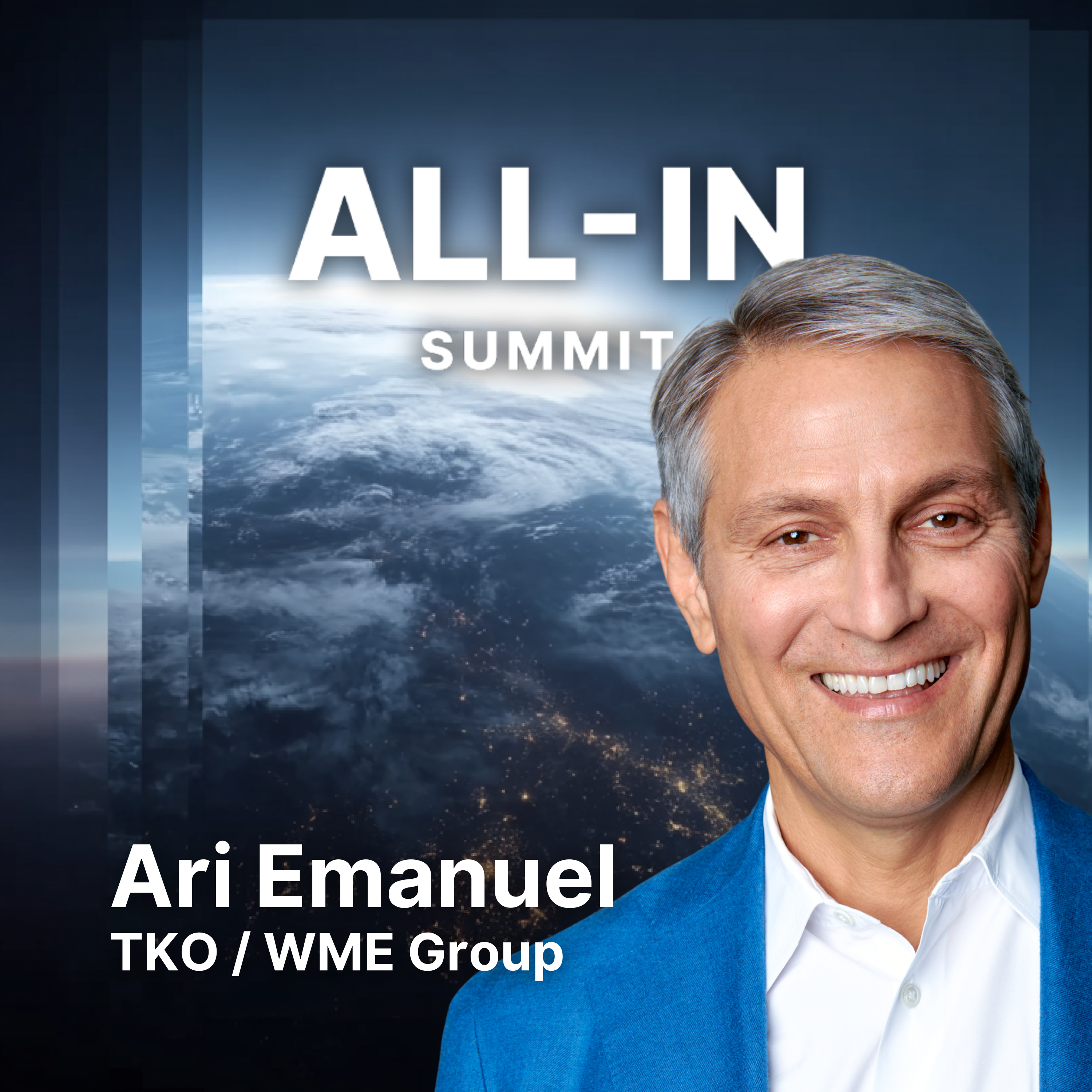
Ari Emanuel outlines a clear monetization evolution for independent creators. They begin with simple ad placements, graduate to larger integrated sponsor deals, and ultimately achieve the highest value by owning equity in their own product lines. This final step shifts them from being a marketing expense to an asset with a revenue multiple.
To become a defining personal brand rather than just another creator, launching your own product is a key step. It provides more financial upside than affiliate sales and builds immense credibility and clout within your community.