Get your free personalized podcast brief
We scan new podcasts and send you the top 5 insights daily.
Wall Street traders operate in a high-stakes environment similar to ER doctors or special forces. While the risk is financial, the brain doesn't distinguish. It processes the threat of catastrophic loss using the same primal fight-or-flight response, forcing traders to master emotional regulation under pressure.

Related Insights
Top investors experience an "asymmetry of emotion." The pleasure of significant gains is muted—a feeling of satisfaction rather than euphoria. However, the pain of losing capital, particularly during irrational market events, is disproportionately intense, driven by the responsibility of managing other people's money.
The neural systems evolved for physical survival—managing pain, fear, and strategic threats—are the same ones activated during modern stressors like workplace arguments or relationship conflicts. The challenges have changed from starvation to spreadsheets, but the underlying brain hardware hasn't.

The brain "freezes a frame" during moments of high emotional arousal. When this happens during a financial crisis or windfall, it creates a powerful, long-term memory that forms the basis of your neurological and chemical responses to money in the future.

Molly observed that extremely wealthy players reacted to losses with disproportionate fear and anger, despite the amounts being trivial to their net worth. This reveals that for high-achievers, losing triggers a deep-seated fear of losing control, making it a powerful psychological threat, not just a financial one.

Under extreme stress, the prefrontal cortex goes offline, making rational decision-making impossible. The first step to navigating volatility is therefore managing physiology through sleep, exercise, and meditation to keep higher-level thinking engaged.

Distinguish between everyday impulses (often unreliable) and true intuition, which becomes a powerful survival guide during genuine crises. Our hardwired survival mechanisms provide clarity when stakes are highest, a state difficult to replicate in non-crisis situations.

Based on Daniel Kahneman's Prospect Theory, once investors feel they are losing money, their behavior inverts. Instead of cutting losses, they adopt a "double or nothing" mentality, chasing high-risk gambles to escape the psychological pain of loss.
We focus on how to win, but failure is inevitable. How you react to loss determines long-term success. Losing money triggers irrational behavior—chasing losses or getting emotional—that derails any sound strategy. Mastering the emotional response to downswings is the real key.

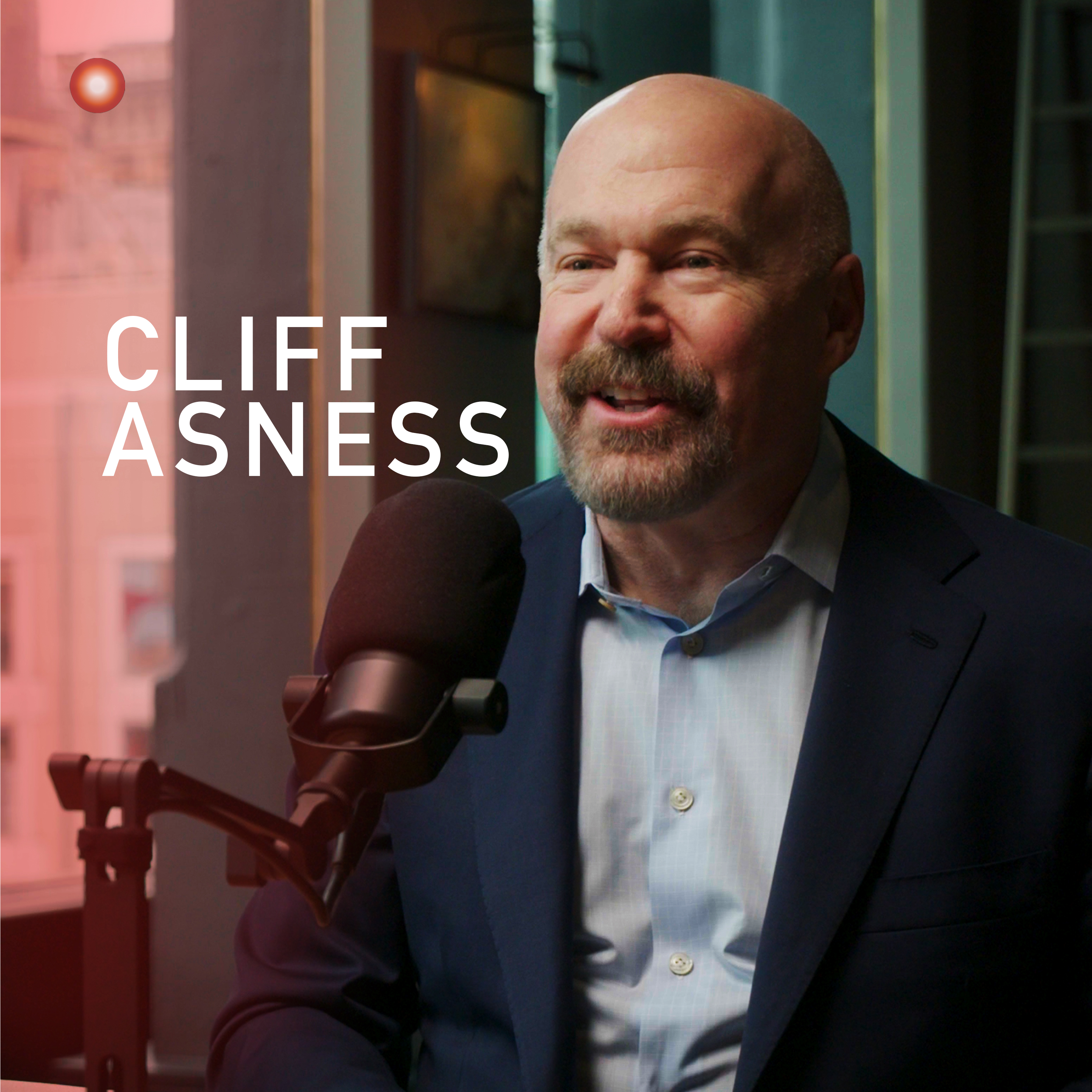
Despite rational strategies, top quant Cliff Asness confesses to feeling the emotional sting of losses far more intensely than the pleasure of gains, a classic example of prospect theory in action. This human element persists even at the highest levels of quantitative finance.
The high-stress, zero-consequence environment of video games provides surprisingly effective training for maintaining psychological flexibility. It allows you to practice calming your nervous system and evaluating options while under pressure, a skill directly transferable to volatile markets.