Get your free personalized podcast brief
We scan new podcasts and send you the top 5 insights daily.
To combat the rise of flawless, cheap lab-grown diamonds, De Beers is rebranding naturally flawed stones as unique "desert diamonds." This strategy positions imperfection as a premium feature that cannot be replicated in a lab, turning a traditional flaw into a key selling point, much like distressed denim.

Related Insights
Shareholder value is created by managing the gap between cost, price, and perceived value. Walmart wins by relentlessly pushing down costs to lower prices and increase value. Luxury brands like Tiffany win by pushing up perceived value through branding and scarcity, allowing them to raise prices.

A market can seem established, but if existing products are visually unappealing and fail to create an emotional connection, a new entrant can win purely on branding and packaging that captures attention and meets a consumer's need state.

For luxury brands, raising prices is a strategic tool to enhance brand perception. Unlike mass-market goods where high prices deter buyers, in luxury, price hikes increase desirability and signal exclusivity. This reinforces the brand's elite status and makes it more coveted.
A coffee brand struggling to compete with other roasters was advised to reposition itself within the multi-billion dollar wedding gift industry. By targeting a different use case and customer (bridal registries), the commoditized product gains a unique and defensible niche.

Levi's is launching a premium denim line using a blue tab instead of its iconic red one. This simple visual change serves as a powerful status signal, allowing consumers to publicly display that they've purchased the more expensive, exclusive version of the product, creating a new tier within the brand's ecosystem.

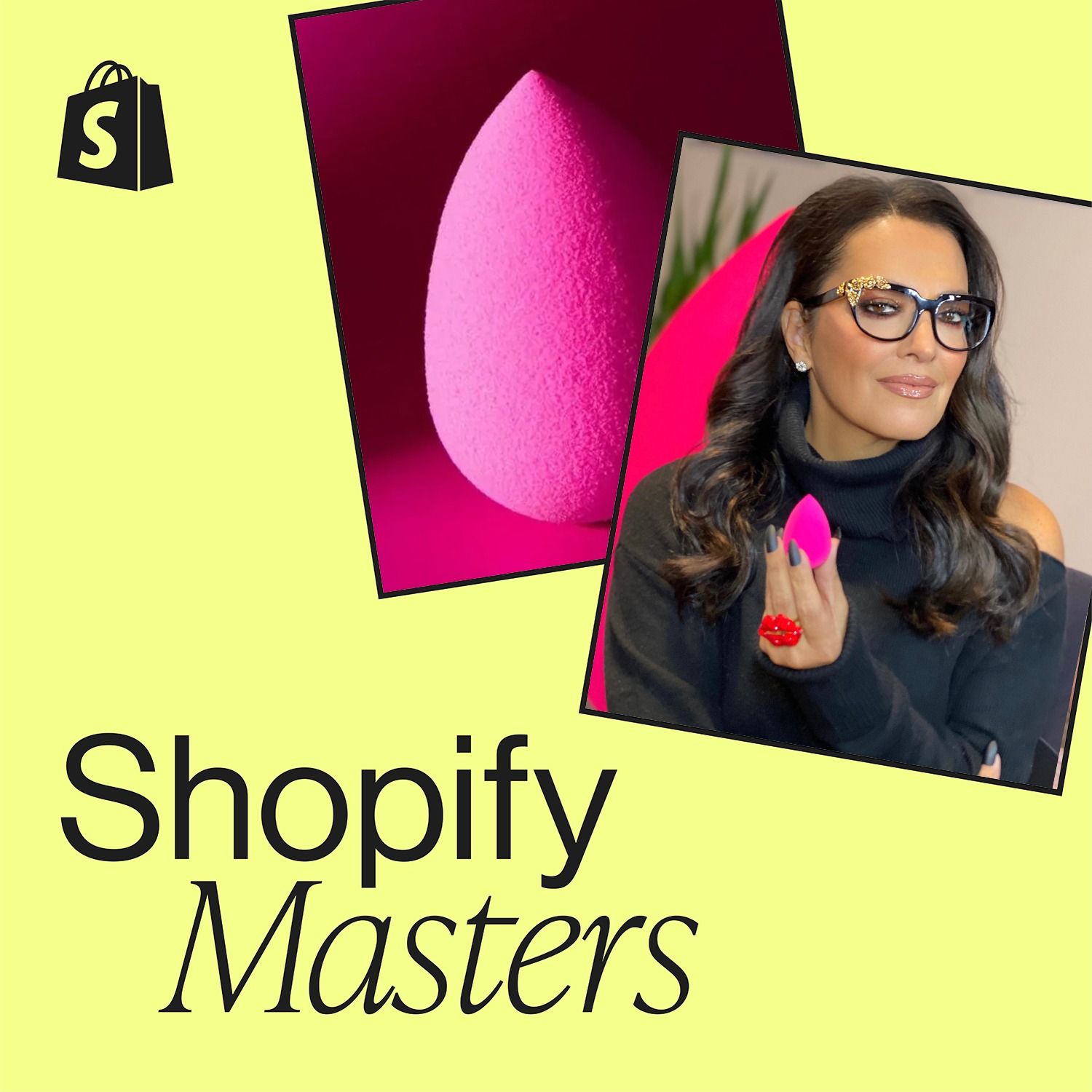
Initially threatened by dupes, Rianne Silva reframed them as a necessary market force. The existence of cheaper alternatives allowed Beauty Blender to constantly reinforce its own story of originality, quality, and superior performance, strengthening its premium brand positioning.
To combat a 'cheap' reputation, online retailer Quince strategically sells limited-run, high-end items like caviar and gold bars unrelated to its core fashion line. These 'halo products' create 'luxury by association,' elevating the entire brand's perception in the minds of consumers, a tactic also used by Costco.

Instead of competing on features, position mundane products like supplements or dental care within a desirable fantasy lifestyle (e.g., Royal England, Roman Empire). This allows a commodity to be sold at a premium by offering customers a form of escapism, a strategy typically used in apparel.

Brands can offer accessible products, like Krug non-vintage champagne, that act as shortcuts for consumers to signal expertise and good taste without extensive knowledge. These items become a 'tell' for insiders, inferring the consumer is an expert.
Driscoll's had been discarding its best-tasting berries because they were too delicate for the standard supply chain. By reframing this flaw, they created a premium product line, charged more, and met a hidden consumer demand for superior flavor.
