Get your free personalized podcast brief
We scan new podcasts and send you the top 5 insights daily.
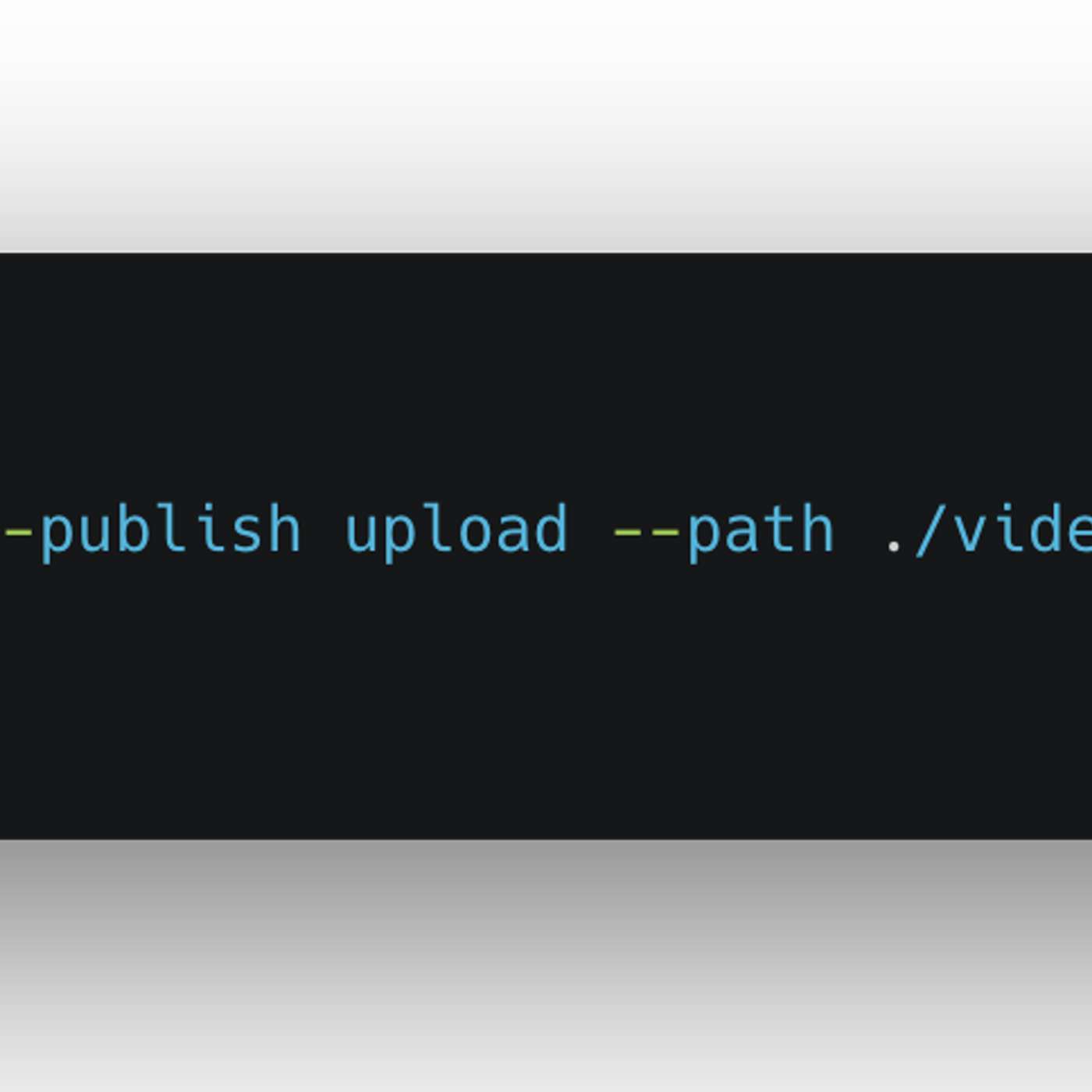
The developer built a hybrid CLI tool using Node.js for a zero-install user experience via NPX and argument parsing, while leveraging Python's more mature Google API client for the core functionality. This polyglot approach capitalizes on the distinct strengths of each ecosystem to deliver a better final product.
Related Insights
The new paradigm for building powerful tools is to design them for AI models. Instead of complex GUIs, developers should create simple, well-documented command-line interfaces (CLIs). Agents can easily understand and chain these CLIs together, exponentially increasing their capabilities far more effectively than trying to navigate a human-centric UI.

The enthusiastic reception for Google's Workspace CLI reveals a counter-intuitive trend: old-school Command-Line Interfaces are becoming the preferred way for AI agents to interact with software. Unlike humans, agents don't need GUIs and benefit from the CLI's deterministic, low-friction nature, avoiding the 'abstraction tax' of newer API layers.

Claude Skills aren't limited to natural language instructions; they can reference and execute Python scripts. This enables developers to enforce consistency for technical tasks like data cleaning or validation, preventing the variability that occurs when the LLM generates code on its own.

Browser-based ChatGPT cannot execute code or connect to external APIs, limiting its power. The Codex CLI unlocks these agentic capabilities, allowing it to interact with local files, run scripts, and connect to databases, making it a far more powerful tool for real-world tasks.
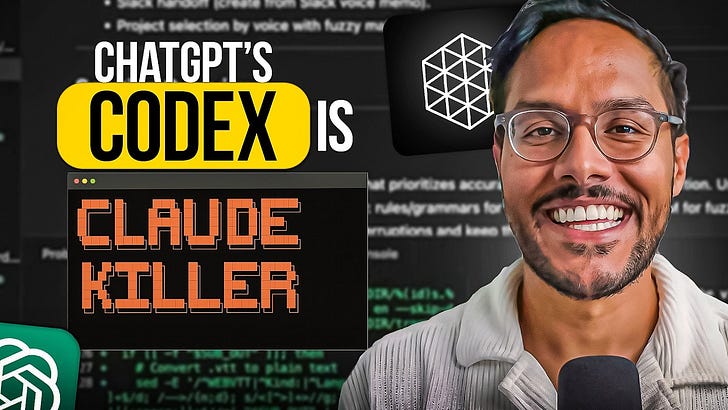
The developer chose NPX to distribute their 'YouTube Publish' tool, which allows users to run it with a single command without any global installation. This strategy significantly lowers the barrier to entry and friction for users, improving the overall developer experience for open-source tools.
While GUIs were built for humans, the terminal is more "empathetic to the machine." Coding agents are more effective using CLIs because it provides a direct, scriptable, and universal way to interact with a system's tools, leveraging vast amounts of pre-trained shell command data.
The terminal-first interface of Claude Code wasn't a deliberate design choice. It emerged organically from prototyping an API client in the terminal, which unexpectedly revealed the power of giving an AI model direct access to the same tools (like bash) that a developer uses.

Instead of designing tools for human usability, the creator built command-line interfaces (CLIs) that align with how AI models process information. This "agentic-driven" approach allows an AI to easily understand and scale its capabilities across numerous small, single-purpose programs on a user's machine.
When starting with AI-assisted coding, select your programming language based on your desired output. Choose JavaScript for its ability to quickly render visual web applications ("easy to see"). Opt for Python when the logic is more important, as its syntax is famously clear and legible ("easy to write and read").

DSPy's architecture mirrors human thought by providing an imperative structure (standard Python code) for overall program flow. It then isolates ambiguity into declarative "signatures," which define fuzzy tasks for the LLM to execute at the program's leaves, offering the best of both paradigms.
