Get your free personalized podcast brief
We scan new podcasts and send you the top 5 insights daily.
Early Uber Eats designer Ron Goldin downloaded the driver app and did deliveries to understand user pain points firsthand. This direct immersion revealed a terrible onboarding process and built extreme empathy that drove crucial product improvements.

Related Insights
To build a complex real-world business, the founding team did every job themselves. This hands-on experience provided critical insights that algorithms or data analysis alone could never uncover, such as knowing not to assign a driver if food isn't ready.

Tock rejected traditional focus groups and instead embedded its software engineers directly into restaurants to work shifts as hosts. This forced immersion gave the engineering team firsthand experience with the end-user's pain points, leading to a far more intuitive and effective product than surveys could produce.
![Nick Kokonas - Know What You Are Selling - [Invest Like The Best, REPLAY] thumbnail](https://megaphone.imgix.net/podcasts/c7f11b7e-e516-11f0-8700-239aa8e47bb9/image/552faf7d658b75e441e80eef4cf6b0b3.jpg?ixlib=rails-4.3.1&max-w=3000&max-h=3000&fit=crop&auto=format,compress)
Brainstorming cannot reveal the true friction in your customer experience. Following JetBlue's example, leaders must regularly become their own customers. This practice uncovers how high-level decisions inadvertently create flaws in the customer journey that are invisible from the boardroom.

To transfer field research empathy, a designer recorded his chaotic delivery trips with a 360° camera and sent them to executives on Google Cardboard. This immersive storytelling was far more impactful than a traditional research report or memo in driving action.
Design thinking's immersion phase goes beyond understanding customer needs. By having innovators physically mirror the customer's experience, it forces them to confront and dismantle their own unexamined biases, leading to a fundamental reframing of the problem itself.
The only reliable way to understand a customer is to "forward deploy"—work alongside them in their actual environment. This direct experience of their job closes the context gap that interviews can't bridge, revealing unspoken needs and frustrations.

To build deep customer empathy, embed every new employee—regardless of role or seniority—with a real customer for several days. Their sole task is to solve one real problem, creating an immediate, visceral connection to the company's purpose.
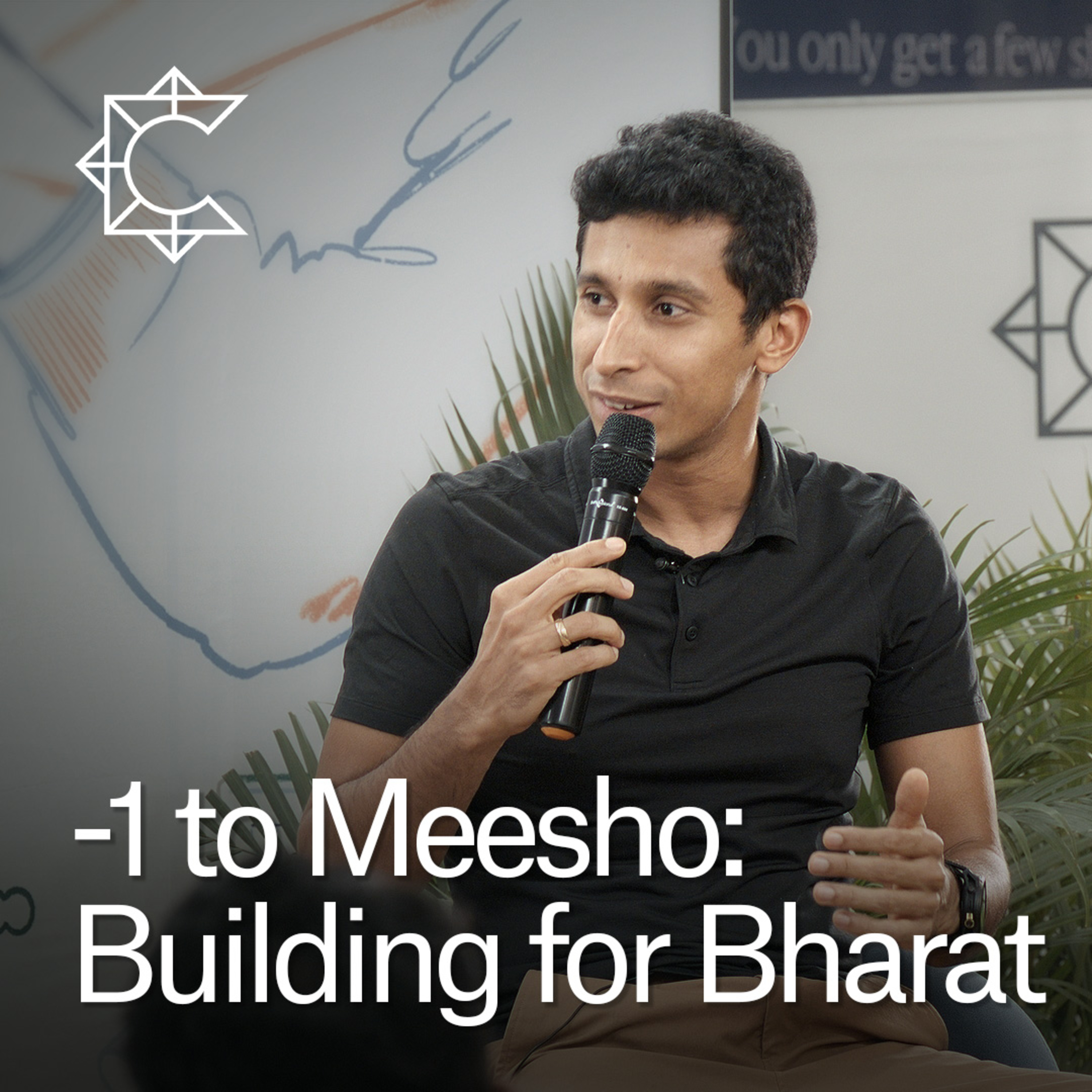
To truly understand B2B customer pain points, data and interviews are insufficient. Product teams must immerse themselves in the customer's environment, such as by working for an advertiser for a week or shadowing an accountant for a day, to gain firsthand workflow experience and develop deep empathy.

To identify hidden friction points, directly experience your product or service as a customer would. This is exemplified by a Nashville sheriff who slept in a jail cell to test heating complaints. This firsthand experience is the most effective way to build empathy and uncover issues.

To deeply understand the supply side of his marketplace, Dara Khosrowshahi bought an e-bike and delivered food. He discovered how complex the job was and how minor bugs for consumers are major frustrations for drivers. He champions this direct experience as crucial for building a better product for suppliers.
![Dara Khosrowshahi - Uber's Bet on AVs, AI, and Building a Super-App - [Invest Like the Best, EP.476] thumbnail](https://megaphone.imgix.net/podcasts/ef669774-cccd-11ed-889b-c36caad6646f/image/158efdddfb983d2678b3530d484e8aa2.jpg?ixlib=rails-4.3.1&max-w=3000&max-h=3000&fit=crop&auto=format,compress)