Get your free personalized podcast brief
We scan new podcasts and send you the top 5 insights daily.
To deeply understand the supply side of his marketplace, Dara Khosrowshahi bought an e-bike and delivered food. He discovered how complex the job was and how minor bugs for consumers are major frustrations for drivers. He champions this direct experience as crucial for building a better product for suppliers.
![Dara Khosrowshahi - Uber's Bet on AVs, AI, and Building a Super-App - [Invest Like the Best, EP.476] thumbnail](https://megaphone.imgix.net/podcasts/ef669774-cccd-11ed-889b-c36caad6646f/image/158efdddfb983d2678b3530d484e8aa2.jpg?ixlib=rails-4.3.1&max-w=3000&max-h=3000&fit=crop&auto=format,compress)
Related Insights
Instacart's co-founder routed all early customer support calls to his personal phone. This forced him to personally experience every service failure, which then directly informed the product roadmap. It created a tight feedback loop between customer pain and product development.
To build a complex real-world business, the founding team did every job themselves. This hands-on experience provided critical insights that algorithms or data analysis alone could never uncover, such as knowing not to assign a driver if food isn't ready.

Dara Khosrowshahi believes that for a CEO to receive honest, unfiltered information, they must first be radically transparent. He views this as a self-defense mechanism; if leaders sugarcoat reality, employees will do the same, starving the CEO of the hard truths needed for good decision-making.

To understand a company's core problems, leaders should experience the business as a customer. Before joining Tesla, the speaker mystery-shopped their stores, immediately revealing a massive sales process failure that was invisible to management but obvious from the front line.

To secure a future for human drivers, Uber is expanding into use cases too complex for current automation. They turned the user "hack" of asking couriers to shop for them into an official "personal shopper" service, creating a pathway for drivers to migrate to more intricate work.
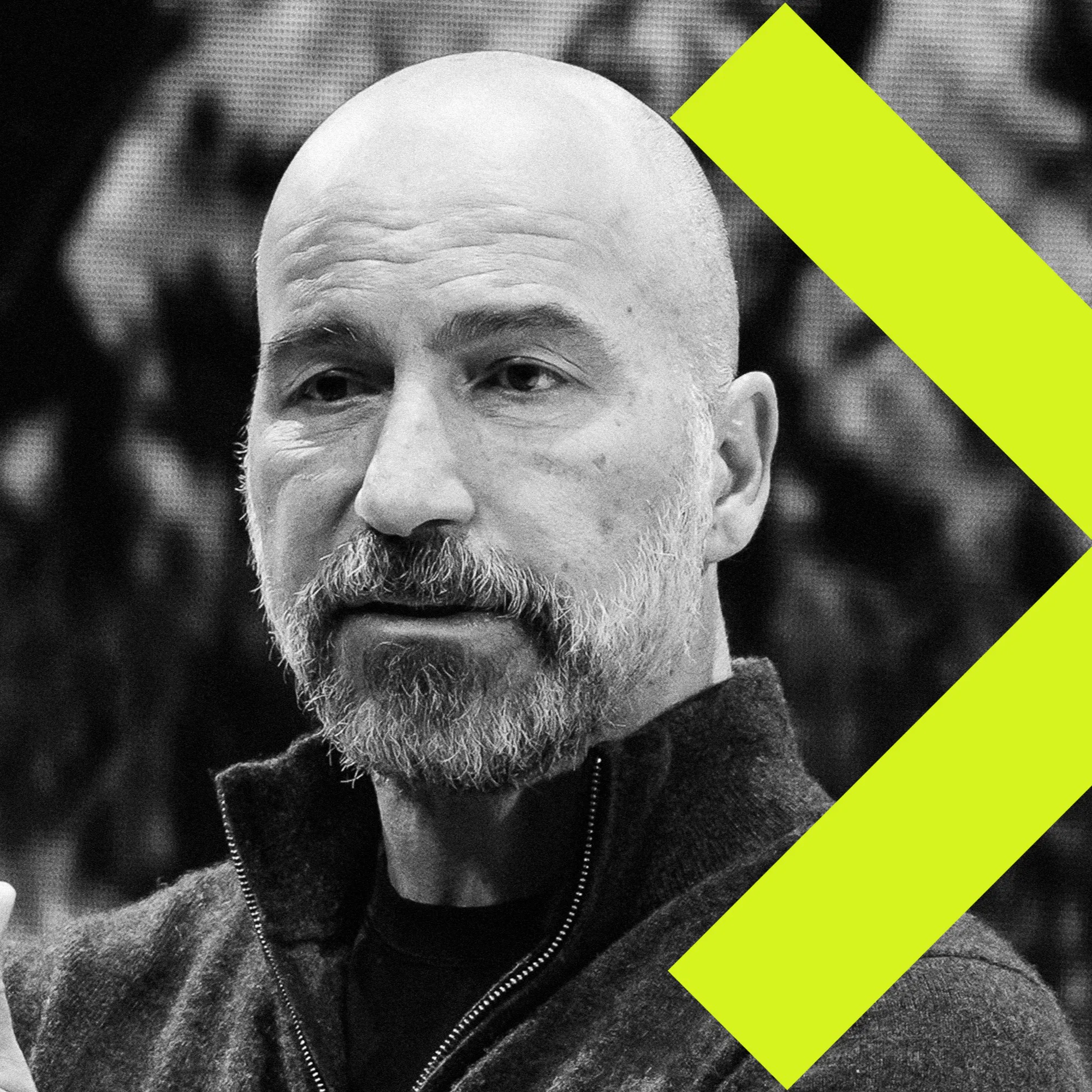
With his bioelectrical engineering background, Dara Khosrowshahi frames the CEO role as a large-scale engineering challenge. He sees companies as machines run by people, where the leader's job is to design the system, set the right goals, and assemble the components to achieve a desired output.
Dara Khosrowshahi credits Booking.com's focus on hotel supply for beating Expedia in Europe. He applied this hard-won lesson at Uber, prioritizing driver and restaurant supply as the primary growth engine, a shift from Expedia's previous demand-focused strategy.

To fight complacency and find product flaws, DoorDash's CEO advises using the service in concentric circles 15 minutes further out from city centers. The product experience often degrades quickly in these less-optimized suburban areas, viscerally highlighting customer struggles and revealing improvement opportunities.
To avoid the filtered information that often reaches the C-suite, Dara Khosrowshahi deliberately bypasses management layers. He holds "no decks" jam sessions with engineers and product managers 2-4 levels down, speaking candidly to encourage honest feedback and get a real understanding of the company's challenges.
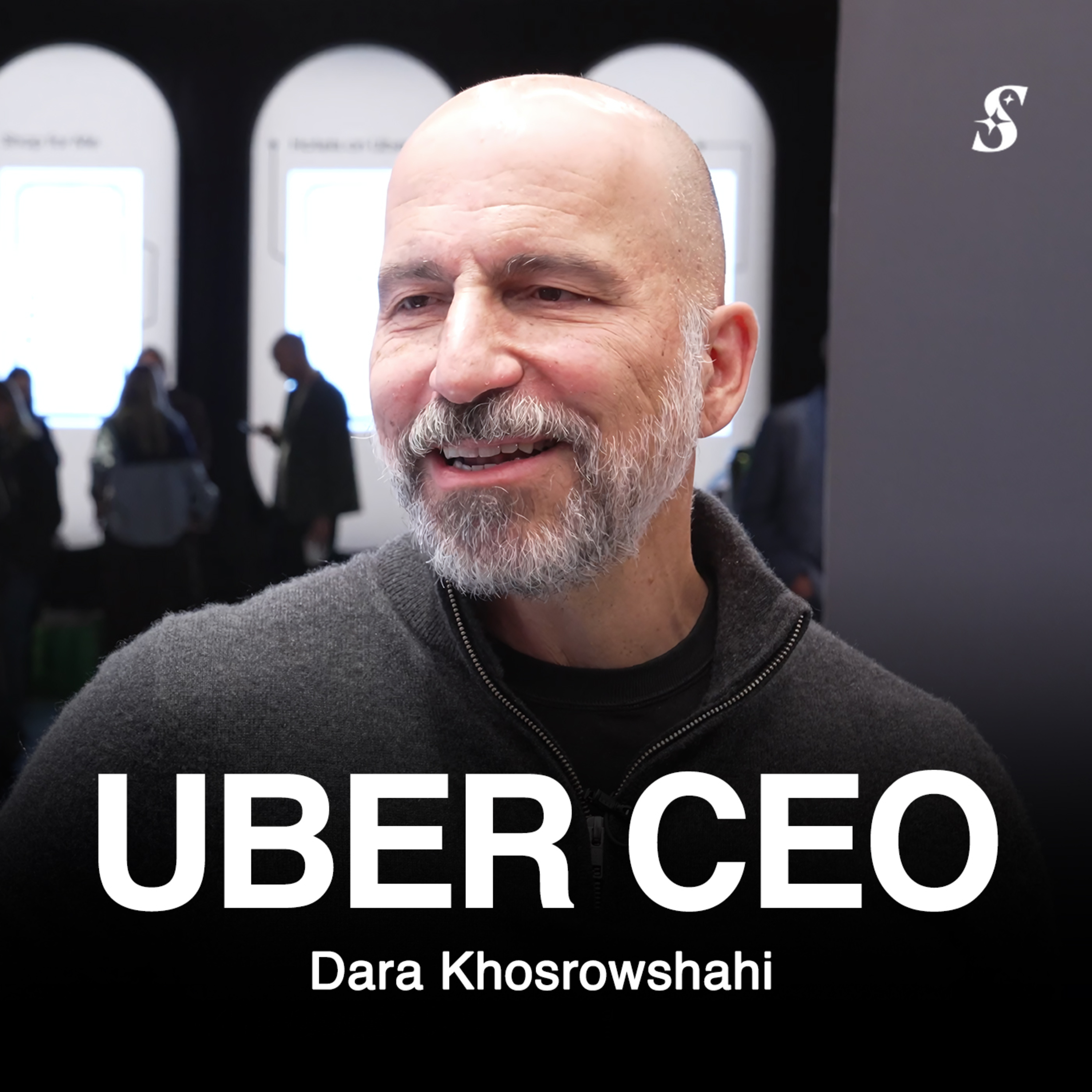
By driving for Lyft, CEO David Risher learned firsthand that surge pricing, while economically sound, creates immense daily stress for riders. This qualitative insight, which data might miss, led Lyft to remove $50 million in surge pricing and launch a 'Price Lock' subscription feature based directly on a passenger's story.