Get your free personalized podcast brief
We scan new podcasts and send you the top 5 insights daily.
Kodak invented the digital camera but shelved it to protect film sales. Similarly, search engine Excite passed on buying Google for $750k because better results reduced ad-serving time. Both prioritized current revenue over disruptive innovation, leading to their demise.

Related Insights
Incumbents are disincentivized from creating cheaper, superior products that would cannibalize existing high-margin revenue streams. Organizational silos also hinder the creation of blended solutions that cross traditional product lines, creating opportunities for startups to innovate in the gaps.

Disruption opportunities in sectors like publishing exist not because incumbents are incompetent, but because their existing structures and business models force them to be "backward compatible," preventing true innovation and creating an opening for new players.
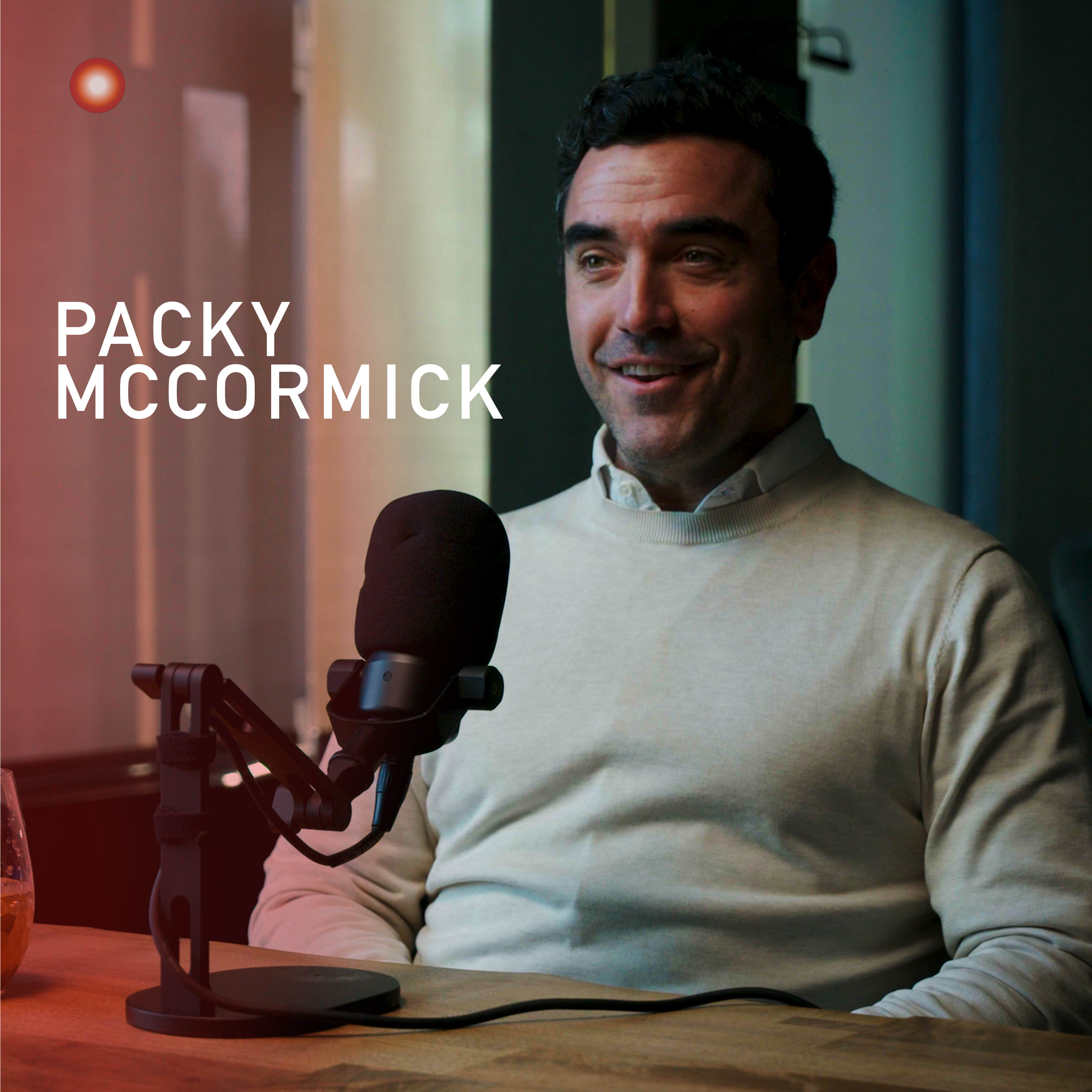
Over four decades, Dell has seen countless entrepreneurs fail. He argues their downfall isn't typically due to external competition but from their own fatal mistakes, poor choices, and a failure to deeply understand what's happening in their own business.

This quote urges companies to embrace continuous innovation and self-disruption. Instead of protecting a cash cow, leaders should actively seek the next breakthrough that will replace it. This mindset is crucial for long-term survival in a changing market, as customer needs and technologies inevitably evolve.

Google authored the seminal 'Transformers' AI paper but failed to capitalize on it, allowing outsiders to build the next wave of AI. This shows how incumbents can be so 'lost in the sauce' of their current paradigm that they don't notice when their own research creates a fundamental shift.
TiVo focused its resources on legally defending its DVR patent, its "moat." This strategic fixation caused it to completely miss the rise of streaming, a disruption that made its core technology irrelevant. Protecting an advantage can create a dangerous blind spot to bigger, external threats.

Unlike Kodak, which protected its film business and went bankrupt, Adobe integrated generative AI (Firefly) directly into its core products. By embracing the technology that threatened it, Adobe established itself as a leader in AI-powered creativity and saw its stock surge.

Unlike past tech shifts, incumbents are avoiding disruption because executives, founders, and investors have all internalized the lessons from 'The Innovator's Dilemma.' They proactively invest in disruptive AI, even if it hurts short-term profits, preventing startups from gaining a foothold.

Being the de facto industry standard removes the external pressure to innovate. Dominant companies often resist internal change agents who want to 'rock the boat,' fostering complacency. This creates an opening for more agile competitors to gain a foothold and disrupt the market.

As the market leader, OpenAI has become risk-averse to avoid media backlash. This has “damaged the product,” making it overly cautious and less useful. Meanwhile, challengers like Google have adopted a risk-taking posture, allowing them to innovate faster. This shows how a defensive mindset can cede ground to hungrier competitors.