Get your free personalized podcast brief
We scan new podcasts and send you the top 5 insights daily.
Anthropic's economics team uses AI not just to accelerate existing work, but to expand capabilities into new areas like building interactive data visualizations. This "broadening of scope" is a key productivity driver, allowing experts to perform tasks they weren't trained for.

Related Insights
The most potent productivity gains from AI aren't just for junior staff. Seasoned professionals who combine deep domain expertise with adaptability are using AI to rapidly learn adjacent skills like design or marketing. This allows them to "collapse the skill stack" and single-handedly perform tasks that previously required multiple people.

A Berkeley Haas study finds AI doesn't reduce work but intensifies it through 'task expansion.' Professionals use AI to venture into adjacent roles—like product managers writing code—widening their job scope and increasing total output, rather than simply doing their old job faster.

Mathematician Terence Tao finds AI doesn't speed up his core problem-solving but makes his papers "richer" by adding complex plots and deeper literature searches. Tasks that were previously infeasible are now easy. AI expands the scope and quality of work rather than just shortening the timeline for existing tasks.
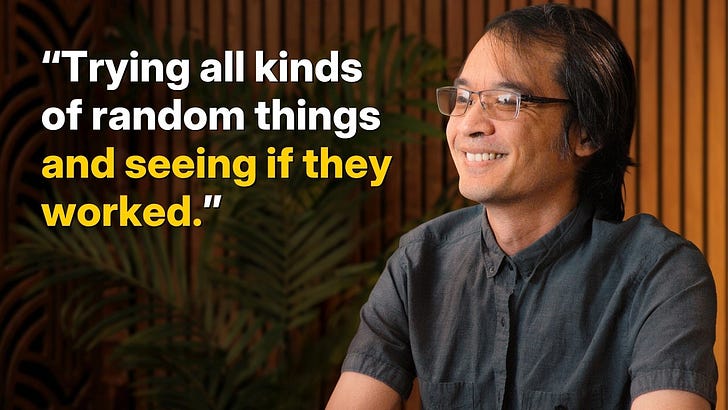
AI coding agents like Claude Code are not just productivity tools; they fundamentally alter workflows by enabling professionals to take on complex engineering or data tasks they previously would have avoided due to time or skill constraints, blurring traditional job role boundaries.

According to OpenAI co-founder Andrej Karpathy, the true impact of AI code generation is less about a linear speedup on existing tasks. Instead, it expands the scope of what's feasible, allowing engineers to attempt projects they would have previously deemed not worth the effort or beyond their skillset.

AI-powered tools automate the menial tasks of research, like building charts and running cross-tabs. This frees up researchers, even those with PhDs, to focus on higher-value activities: driving strategy, bridging the gap between understanding and action, and making investment recommendations based on insights.

AI reverses the long-standing trend of professional hyper-specialization. By providing instant access to specialist knowledge (e.g., coding in an unfamiliar language), AI tools empower individuals to operate as effective generalists. This allows small, agile teams to achieve more without hiring a dedicated expert for every function.

The primary impact of AI coding tools is enabling non-coders to perform complex development tasks. For example, a hedge fund analyst can now build sophisticated financial models simply by describing the goal, democratizing software creation for domain experts without coding skills.
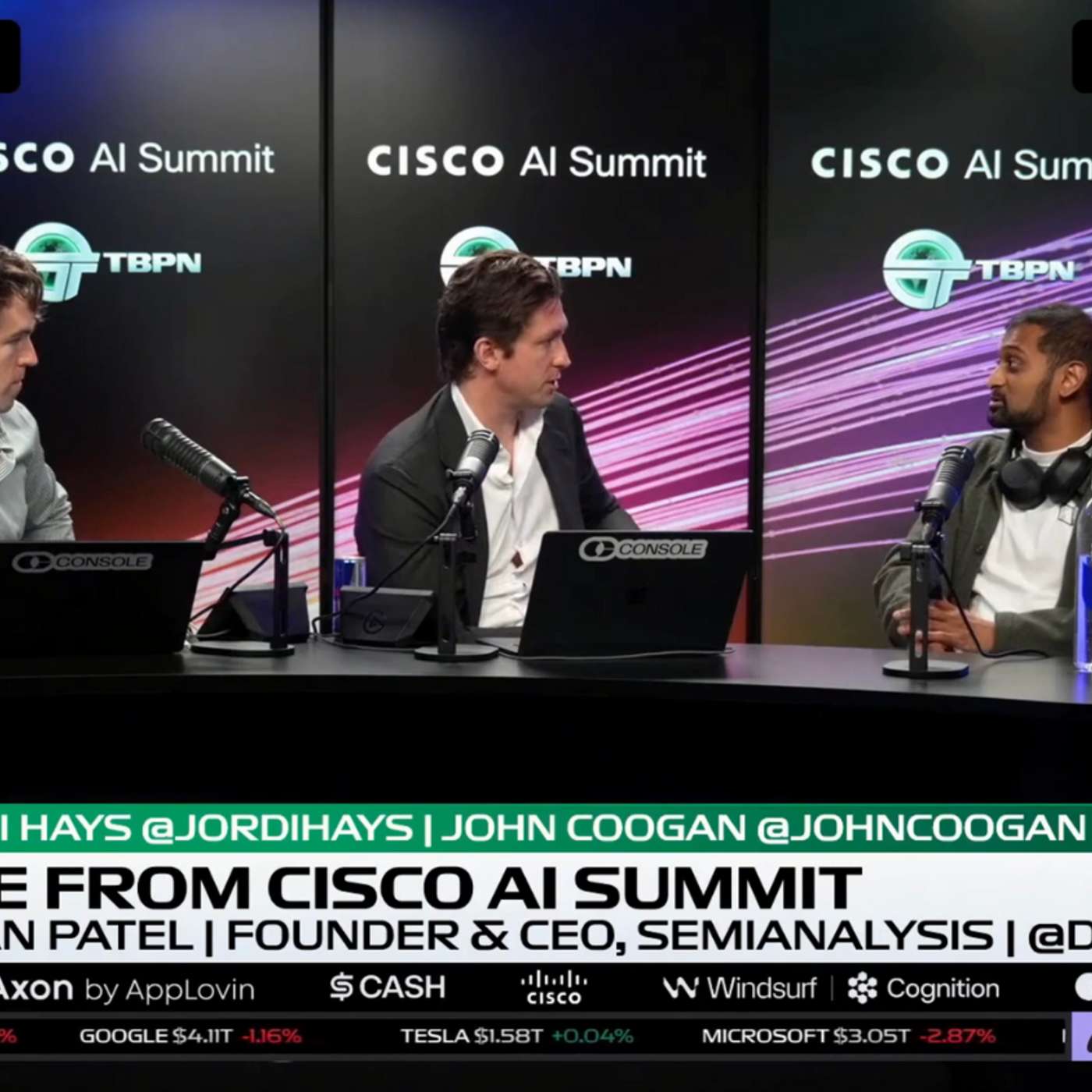
Beyond automating data collection, investment firms can use AI to generate novel analytical frameworks. By asking AI to find new ways to plot and interpret data inputs, the team moves from rote data entry to higher-level analysis, using the technology as a creative and strategic partner.

At Block, the most surprising impact of AI hasn't been on engineers, but on non-technical staff. Teams like enterprise risk management now use AI agents to build their own software tools, compressing weeks of work into hours and bypassing the need to wait for internal engineering teams.