Get your free personalized podcast brief
We scan new podcasts and send you the top 5 insights daily.
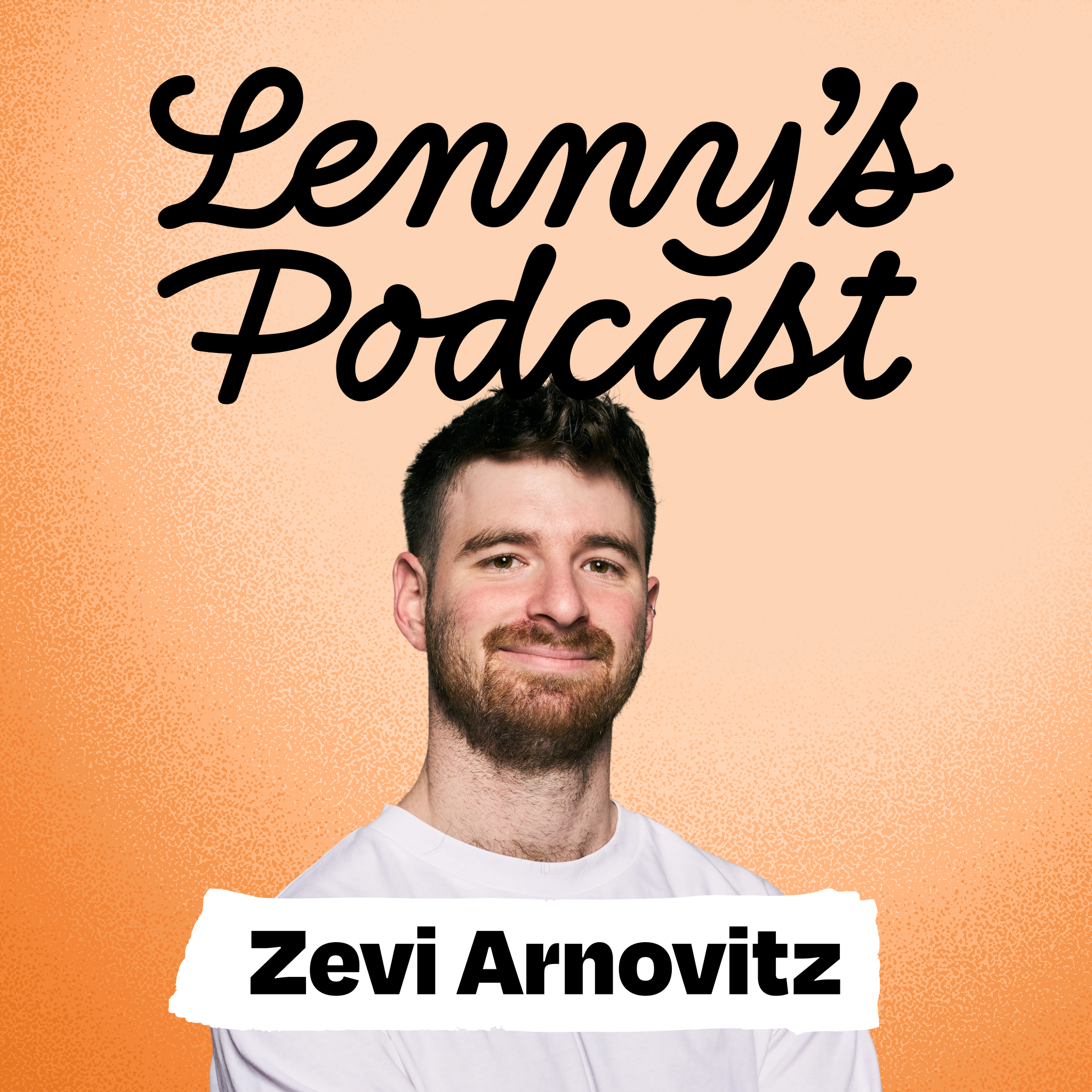
Meta PM Zevi Arnovitz details a 7-step workflow using slash commands in Cursor, moving from ideation (`/create_issue`) to planning, execution, and finally a multi-layered code review (`/peer_review`) and documentation (`/update_docs`). This structured process enables non-technical individuals to build and ship complex applications entirely on their own.
Related Insights
Principal PM Dennis Yang uses the AI-powered IDE Cursor not for coding, but as a central workspace for writing PRDs in Markdown, managing them with Git, and connecting to tools like Jira and Confluence. This consolidates the PM workflow into a developer-centric environment.

AI tools are blurring the lines between product, design, and engineering. The future PM will leverage AI to not only spec features but also create mockups and even write and check in code for smaller tasks, owning the entire lifecycle from idea to delivery.

A repeatable workflow exists for non-technical builders: research ideas with Perplexity, formalize a Product Requirements Document with Claude, generate a frontend prototype with Magic Patterns, and then deploy the code in Replit with a Supabase backend.

The traditional product management workflow (spec -> engineer build) is obsolete. The modern AI PM uses agentic tools to build, test, and iterate on the initial product, handing a working, validated prototype to engineering for productionalization.
![Building a Personal AI Model Map [AI Operators Bonus Episode] thumbnail](https://d3t3ozftmdmh3i.cloudfront.net/staging/podcast_uploaded_nologo/41472609/41472609-1752234663609-8665756a468e5.jpg)
Instead of writing Python or TypeScript to prototype an AI agent, PM Dennis Yang writes a "super MVP" using plain English instructions directly in Cursor. He leverages Cursor's built-in agentic capabilities, model switching, and tool-calling to test the agent's logic and flow without writing a single line of code.
Instead of prompting for code line-by-line, "Plan Mode" has the AI agent generate a detailed plan in a markdown file first. The user reviews and modifies this plan like a spec document, elevating their role from coder to architect before the AI executes the build.

AI tools like Vibe Coding remove the traditional dependency on design and engineering for prototyping. Product managers without coding expertise can now build and test functional prototypes with customers in hours, drastically accelerating problem-solution fit validation before committing development resources.

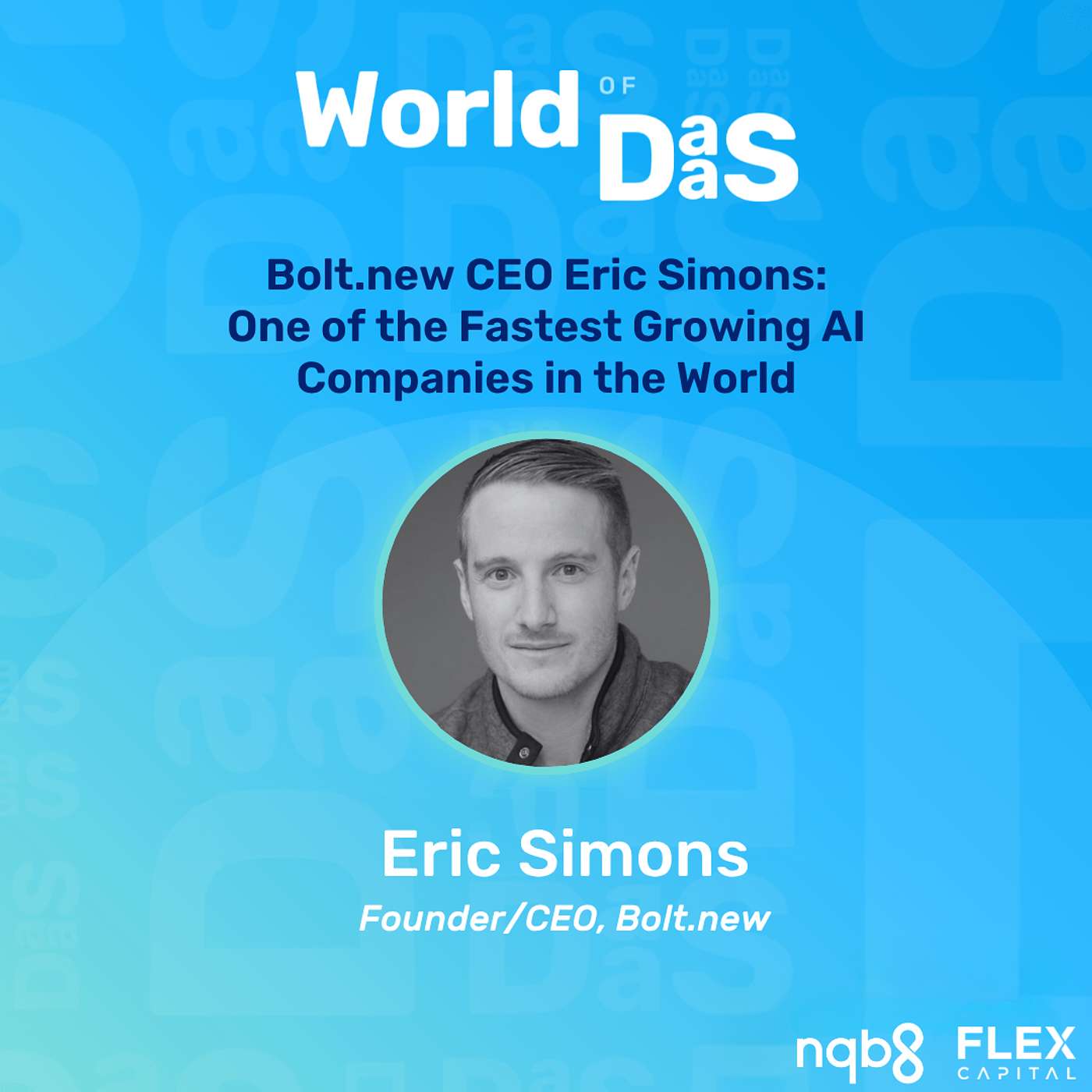
The product development cycle has shifted. Instead of writing a spec, Product Managers use AI coding tools like Bolt.new to build the initial working version of a product. They then hand this functional prototype to engineers for hardening, security, and scaling, dramatically accelerating the process.
For over a decade, software development fragmented into siloed roles (PM, Design, Eng) with their own tools. AI code editors are collapsing these boundaries by creating a unified workspace where a single "maker" or a streamlined team can build, iterate, and ship, much like in the early days of computing.

The idea for "Plan Mode" came from observing power users who manually prompted the AI to outline a plan before writing code. By formalizing this user-invented "hack" into a dedicated feature, Cursor made a complex but effective workflow accessible to everyone.