Get your free personalized podcast brief
We scan new podcasts and send you the top 5 insights daily.
Alex Blania says services will ask whether an agent acts for a unique human and whether a human approved high-stakes actions. World for Zoom and Cloudflare's agent protocol aim to verify human intent instead of blocking all agents.

Related Insights
Traditional web infrastructure relies heavily on bot detection to block automated interactions. As consumers increasingly deploy personal agents to conduct research and purchases, internet traffic will become dominated by bots. John Collison highlights that website operators will soon need new screening paradigms that distinguish helpful customer agents from malicious threats.

A major hurdle for AI-powered commerce is that current systems can't trust agents. E-commerce fraud detection relies on tracking user signals like IP addresses and behavior. An agent making many purchases from the same IP looks like a bot, making it impossible for merchants to distinguish legitimate customers from fraud.

Instead of defending web perimeters with traditional bot detection, companies should implement bot intelligence systems that monitor and optimize agent experiences. Exposing frictionless digital storefronts allows autonomous bots to discover services and transact programmatically via standardized commerce protocols without human intervention.
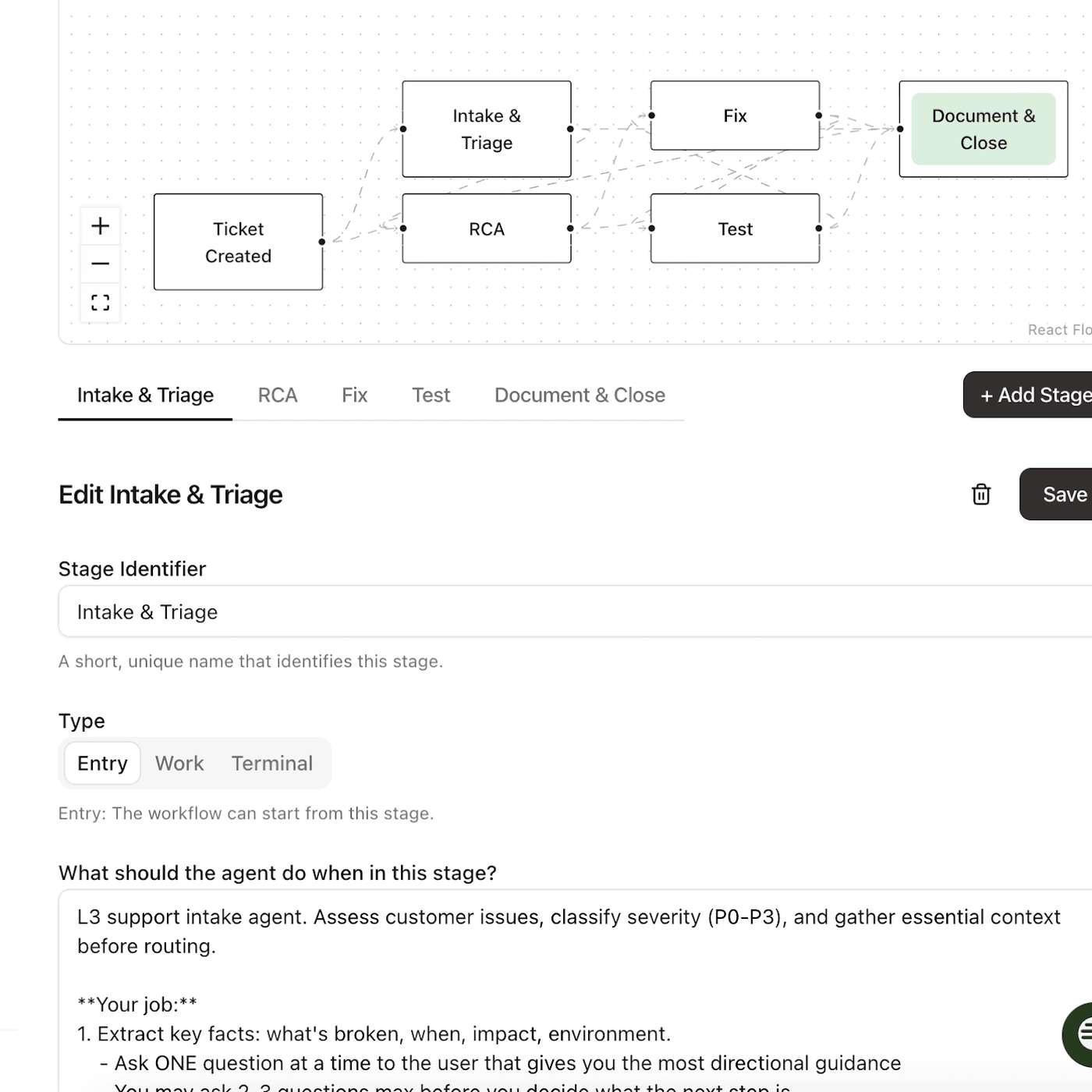
Instead of forcing full autonomy, the AI agent allows teams to start with human approvals at key stages. This 'human-in-the-loop' model builds trust and enables organizations to incrementally automate complex support workflows as they grow more confident in the system's reliability.
When platforms like Amazon block AI agents (e.g., Meta's Muse), it incentivizes developers to build agents that mimic human behavior perfectly to evade detection. This creates a problematic arms race and is ultimately a worse outcome than creating a designated, monitored lane for agent interaction.

The rise of AI browser agents acting on a user's behalf creates a conflict with platform terms of service that require a "human" to perform actions. Platforms like LinkedIn will lose this battle and be forced to treat a user's agent as an extension of the user, shifting from outright bans to reasonable usage limits.

Financial institutions and major platforms are blocking autonomous AI agents because they cannot distinguish agents from human owners or legally verify consent. To satisfy compliance requirements like Reg E, agentic interactions require cryptographic signatures tied to verified legal identities that travel with each cross-platform transaction.

The current model involves humans delegating tasks to AI agents. In the future, this dynamic could reverse for security. A personal financial agent might analyze a transaction, and if it seems risky, the agent would delegate authority back to the human, requiring their explicit approval only after it has gathered sufficient proof points, acting like a smart bank manager.

For years, businesses have focused on protecting their sites from malicious bots. This same architecture now blocks beneficial AI agents acting on behalf of consumers. Companies must rethink their technical infrastructure to differentiate and welcome these new 'good bots' for agentic commerce.

Instead of simply blocking unexpected agent behavior, Eve Security's platform actively questions the agent to understand its intent. This 'interrogation' process cross-references the agent's answers with other systems to determine if a new behavior is legitimate or malicious, enabling more nuanced control.
