Get your free personalized podcast brief
We scan new podcasts and send you the top 5 insights daily.
The venture capital benchmark for a successful Series A fundraising round has dramatically shifted from 3x to 10x year-over-year growth. This new standard is driven by AI's ability to accelerate company scaling and heightened market expectations.

Related Insights
Series A investors have become fixated on unrealistic '10x year-over-year growth' metrics. This creates a difficult funding environment for fundamentally strong companies that are growing at a more sustainable but less hyped 3-4x rate.
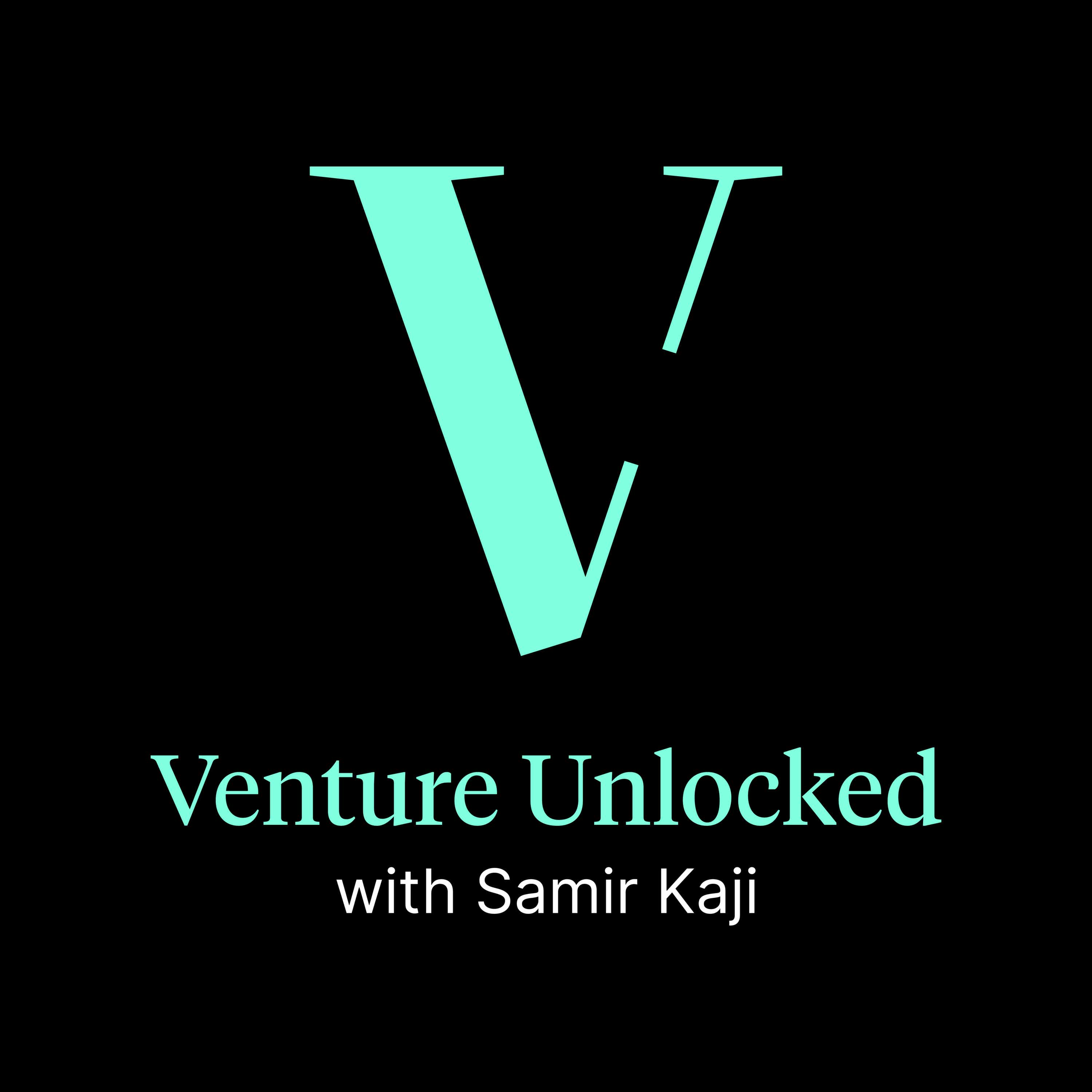
The venture capital benchmark for elite growth has shifted for AI companies. The old "T2D3" (Triple, Triple, Double, Double, Double) heuristic for SaaS is no longer the gold standard. Investors now consider achieving $100M ARR in under three years as the strongest signal of exceptional product-market fit in AI.
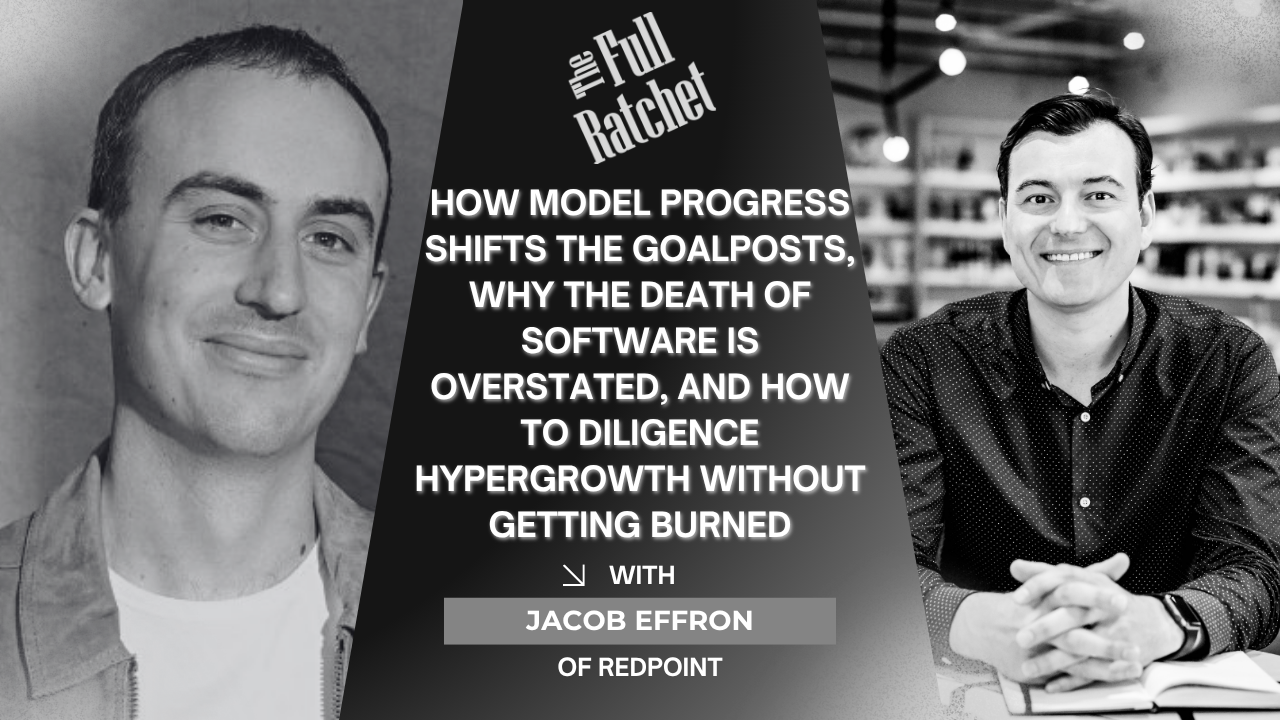
The established SaaS growth playbook, where achieving milestones like $1M to $4M in ARR guaranteed follow-on funding, is no longer relevant. Hyper-growth AI companies have dramatically raised the bar for what is considered 'venture fundable,' forcing SaaS founders to consider alternative financing or reaching profitability much earlier.

In the AI application layer, where products can be replicated quickly, achieving fast growth is no longer enough to secure a Series A. Investors are intensely focused on defensibility. Founders need a compelling story for why they can build a lasting moat against a flood of fast-moving competitors.

The bar for early-stage funding has shifted dramatically. While 3x year-over-year growth was once impressive, investors now seek unprecedented acceleration, often modeling companies that go from $1M to $100M ARR in a year. This leaves many solid, compounding businesses unable to secure traditional venture capital.

AI startups are achieving unprecedented 10-50x growth by securing massive, eight-figure contracts from major AI labs. These labs have extreme urgency and large, net-new budgets to acquire key technology or data, creating a powerful new sales channel.
Goldman Sachs's forecast of a 100x surge in SpaceX's AI revenue is less an anomaly and more a new norm. For AI companies starting from a small revenue base, achieving 100x growth over several years is becoming a repeatable pattern, shifting expectations for what constitutes outlier performance in the sector.

AI isn't just an efficiency tool; it fundamentally accelerates core business growth. A portfolio company achieved a 4.5x markup in 9 months by reaching $10M ARR in 14 months. This speed, which cuts the traditional 18-24 month timeline in half, is redefining early-stage venture capital benchmarks.

The traditional SaaS growth metric for top companies—reaching $1M, $3M, then $10M in annual recurring revenue—is outdated. For today's top-decile AI-native startups, the new expectation is an accelerated path of $1M, $10M, then $50M, reflecting the dramatically faster adoption cycles and larger market opportunities.
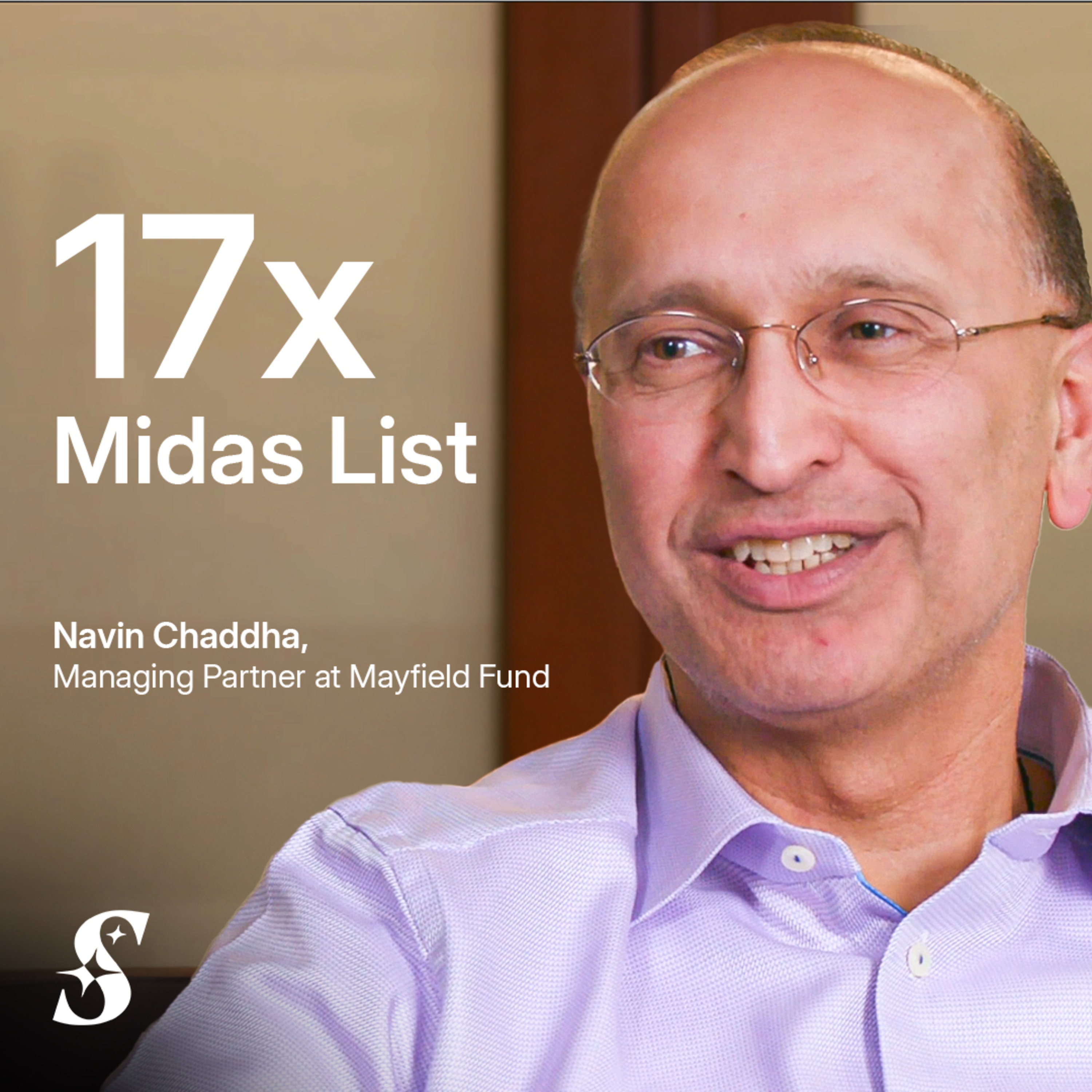
The requirements to raise a Series A have escalated dramatically. The general expectation is now double what it was a few years ago, with the median company needing around $3.5 million in ARR, a significant jump from the old benchmark of $1 million.