Get your free personalized podcast brief
We scan new podcasts and send you the top 5 insights daily.
The founder's leadership style involves extreme product immersion. He personally tested 150 competitor car models, taking detailed notes. This hands-on, obsessive approach to understanding the market and product sets a cultural standard for excellence and deep user empathy across the company.

Related Insights
Rippling's CEO models a "go and see" culture by personally investigating customer issues down to the chat logs. This top-down behavior sets the standard for the entire company, ensuring even at scale, teams stay deeply connected to the real customer experience to maintain high product quality.

Z.AI's culture mandates that technical leaders, including the founder, remain hands-on practitioners. The AI field evolves too quickly for a delegated, hands-off management style to be effective. Leaders must personally run experiments and engage with research to make sound, timely decisions.

Frameworks for quality can only get you so far. The final, intangible layer of product greatness seen at companies like Apple or Airbnb comes from a single leader with impeccable taste (like Steve Jobs or Brian Chesky) who personally reviews everything and enforces a singular quality bar.

The shift to a product-led culture wasn't a formal launch. The CEO began by stating "we are product-led" aspirationally, then relentlessly reinforced this message in every meeting and report. This constant repetition, backed by operational changes, gradually and organically transformed the company's identity and behavior.

MongoDB's CEO attributes his business acumen as a product person to constant customer interaction. This goes beyond feature requests to understanding their broader problems, buying processes, and deployment challenges. This intimacy allows product leaders to anticipate market needs and build solutions that have a clear path to market, moving beyond the "if you build it, they will come" fallacy.

Toyota's Lexus brand requires design engineers to immerse themselves in the user experience before starting a project. This empathy-driven approach led to innovations like the "cockpit style" interior, where every control is easily accessible without reaching, creating a truly user-centric product.

To maintain a competitive edge, Mastercard's CEO personally uses rival products like Visa or AmEx. He frames this as "testing out" the competition to understand their user experience firsthand and provide direct feedback to his own product teams.
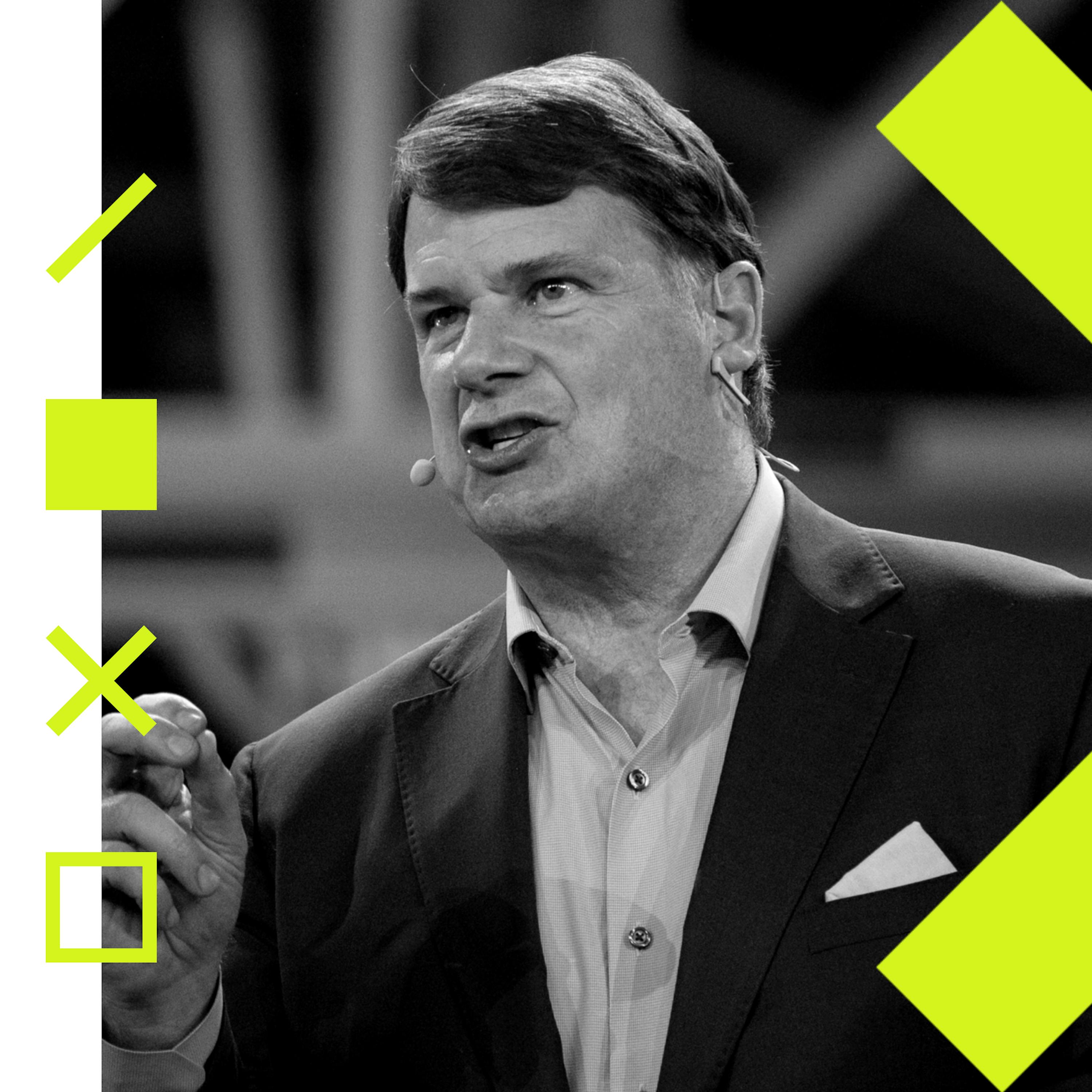
Ford CEO Jim Farley relies on "Gemba," a Japanese principle of "go and see with your own eyes." For a major EV strategy shift, he personally inspected a torn-down competitor's car, counting fasteners and examining the wiring loom to understand the manufacturing gap firsthand before making a decision.
Xiaomi's success in one category (smartphones) built immense brand loyalty, de-risking its entry into a high-stakes category (EVs). This trust was so strong that 20% of initial buyers ordered the car without a test drive, demonstrating how a loyal customer base can accelerate adoption in new ventures.
To enter the hyper-competitive EV market, Xiaomi concentrated 10 times the typical investment and R&D talent (3,000 people) on a single car model. This brute-force focus on one product allowed them to rapidly catch up with and surpass established players from a standing start.