Get your free personalized podcast brief
We scan new podcasts and send you the top 5 insights daily.
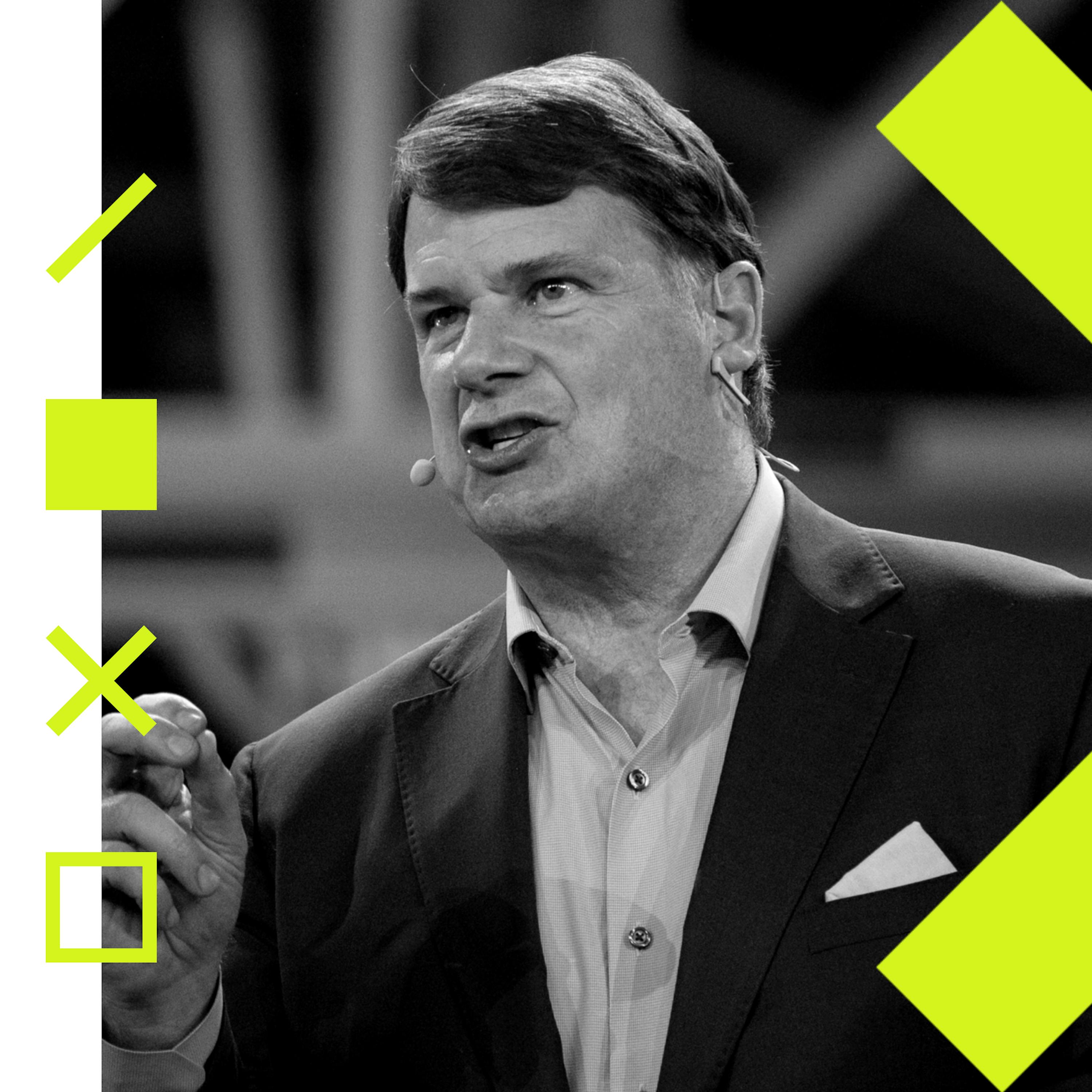
Ford CEO Jim Farley relies on "Gemba," a Japanese principle of "go and see with your own eyes." For a major EV strategy shift, he personally inspected a torn-down competitor's car, counting fasteners and examining the wiring loom to understand the manufacturing gap firsthand before making a decision.
Related Insights
To compete with Chinese EV maker BYD, CEO Jim Farley concluded his existing team and processes were inadequate. He formed an independent group with new talent, separate IT systems, and a different philosophy to radically simplify vehicle design and manufacturing.
Figma CEO Dylan Field applies a design process to leadership. For critical decisions, he intentionally explores multiple paths and their connections (divergence) before committing to one (convergence). He notes the key leadership skill is learning when to converge slowly for strategy versus quickly for execution.
To ensure their new brand strategy was practical, Ford required every department to articulate how they would activate it. This exercise revealed gaps and ensured the strategy would guide daily decisions on what to do and, crucially, what to stop doing.

A new CEO’s first few months are best spent gathering unfiltered information directly from employees and customers across the business. Avoid the trap of sitting in an office listening to prepared presentations. Instead, actively listen in the field, then act decisively based on those firsthand insights.

Effective leadership in a fast-moving space requires abandoning the traditional org chart. The CEO must engage directly with those closest to the work—engineers writing code and salespeople talking to customers—to access unfiltered "ground truth" and make better decisions, a lesson learned from Elon Musk's hands-on approach.
CEO Mary Barra has transformed GM's strategic planning from a rigid annual event into a more frequent and fluid process. This shift allows the senior leadership team to react quickly to new market data and technological learnings, preventing 'momentum' from pushing a program forward when a pivot is needed, a critical capability in the volatile auto market.
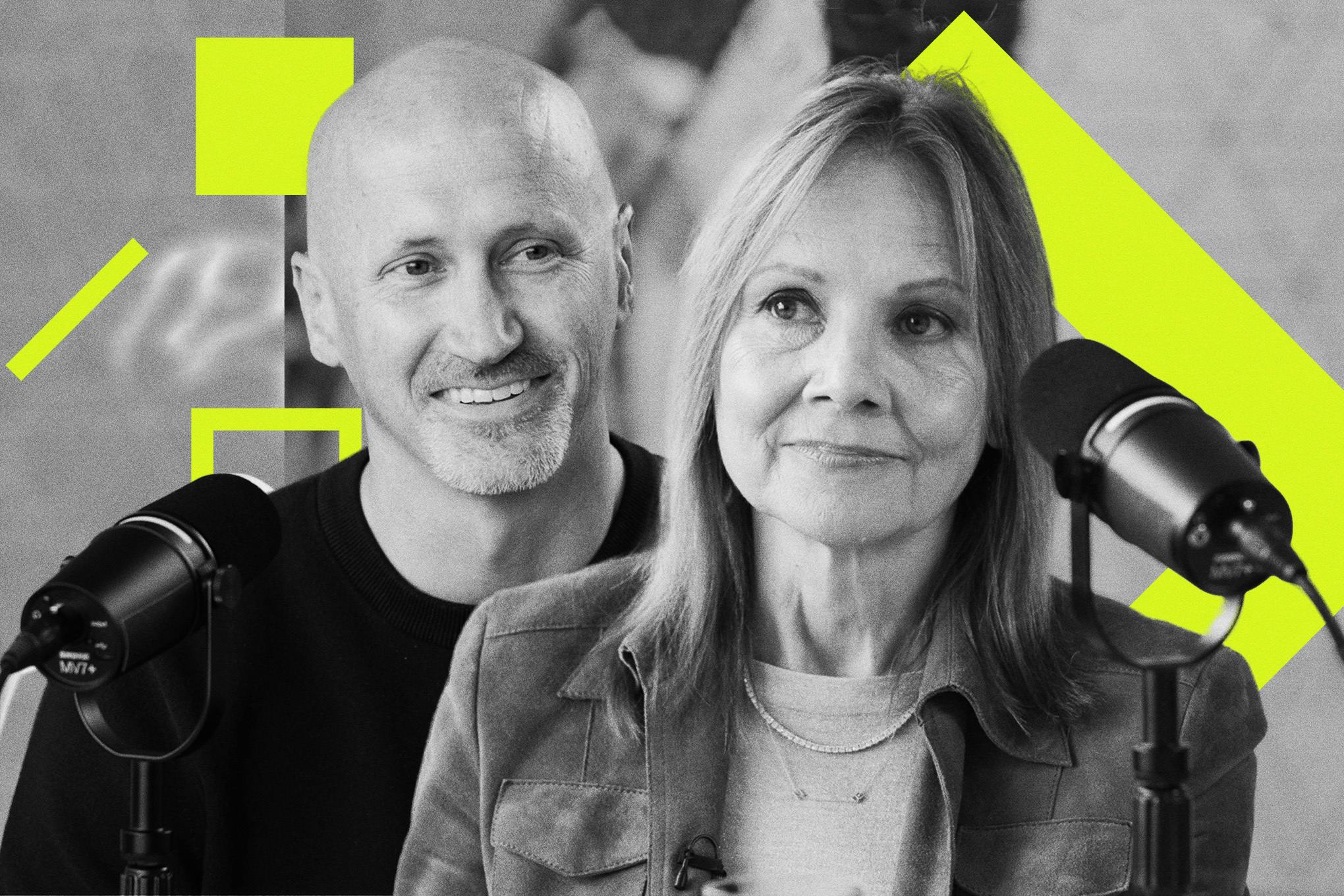
The best leaders don't just stay high-level. They retain the ability to dive deep into technical details to solve critical problems. As shown by Apple's SVP of Software, this hands-on capability builds respect and leads to better outcomes, challenging the 'empower and get out of the way' mantra.
When presenting their rebrand strategy, Ford's CEO encouraged his team to transparently share challenges they hadn't yet solved. This demonstrated deep, critical thinking and built more confidence with the board than a perfectly polished presentation would have.
Conceding that competitor BYD has a cost advantage from vertically integrated battery production, Ford's CEO revealed a counter-strategy: designing motors and gearboxes so efficient they require 30% less battery capacity to achieve the same range, thereby bypassing the core battery cost problem.
Hamdi Ulukaya attributes Chobani's success in scaling without sacrificing product quality to his extreme operational commitment. For years, he rarely left the factory floor, ensuring standards were met firsthand. This underscores the value of deep, physical immersion for leaders in manufacturing and operations.