Get your free personalized podcast brief
We scan new podcasts and send you the top 5 insights daily.
While non-fiction provides actionable steps, it often increases anxiety by highlighting personal deficits and creating a "to-do" list. In contrast, fiction imparts profound lessons through immersive narratives, making wisdom feel less like a chore and more like an embodied experience.

Related Insights
Author Morgan Housel observes that even life-changing non-fiction books aren't remembered in their entirety. Their lasting impact comes from two or three memorable sentences or core ideas that the reader internalizes. For authors, this reframes the goal from comprehensive recall to crafting a few powerful, sticky takeaways.

Leaders who primarily read non-fiction for actionable takeaways often master the 'what' and 'how' but neglect the 'why.' Reading fiction is a powerful tool to develop a deeper understanding of human nature, emotion, and purpose—essential components of effective leadership that data-driven analysis can miss.

According to Naval Ravikant, the purpose of reading isn't information retention. It's about sparking new thoughts and ideas. This mindset removes the pressure to finish every book or remember every detail, reframing reading as a catalyst for original thinking.

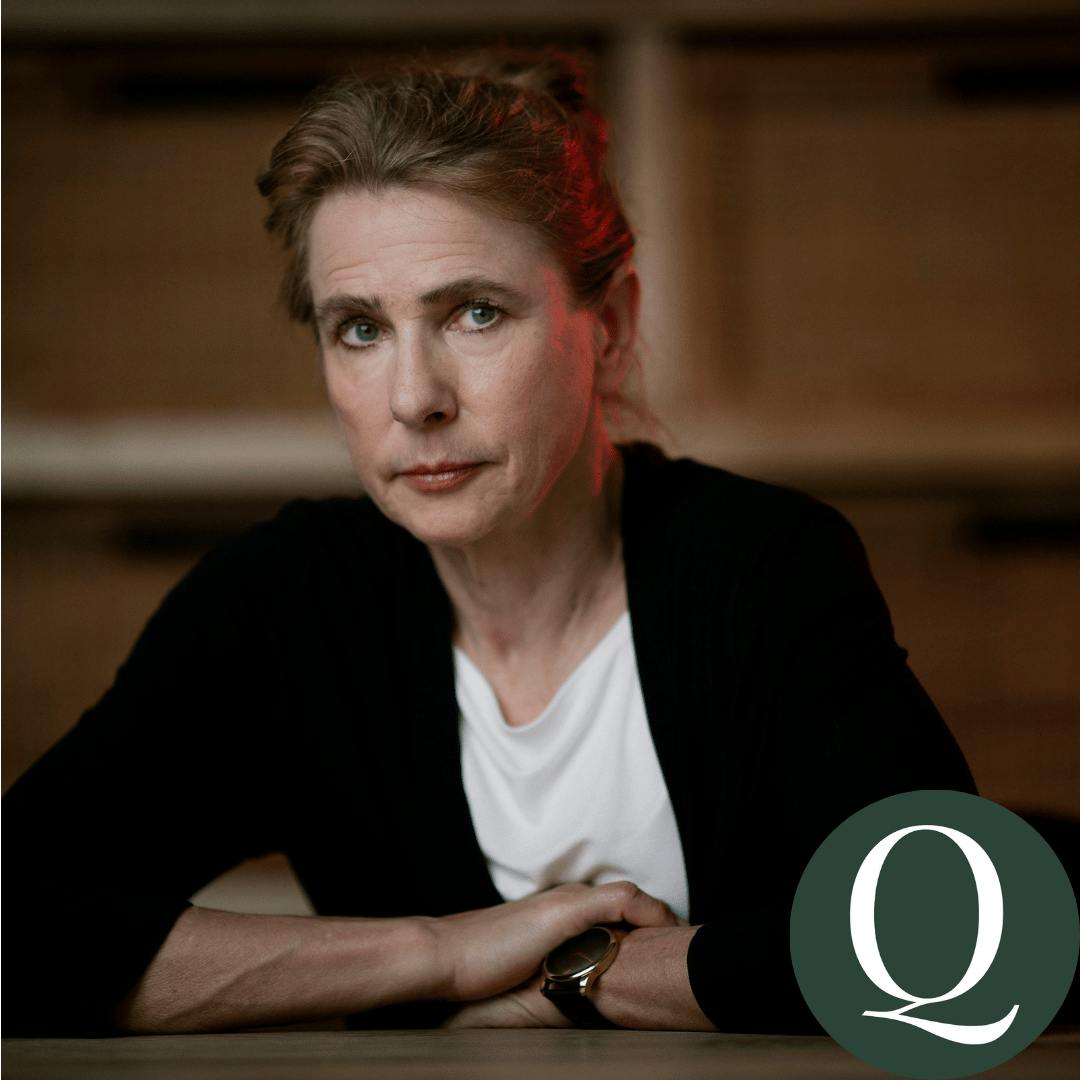
According to Lionel Shriver, a novelist's task is not to reinforce beliefs but to plant a seed of doubt. By presenting a compelling alternative reality, fiction can contaminate a reader's innocent assumptions and force them to contend with complexity, splitting their perspective.
After years of only reading business books, the speaker found reading fiction to be a powerful tool for generating more creative ideas. He also uses it to rebuild his attention span, which has been degraded by the constant context-switching of modern work like Slack and social media.

Great writing doesn't spoon-feed every detail. It provides just enough information to create "holes," inviting the reader to participate in the narrative by using their own imagination and experiences. This makes the content more immersive and personal.
Traditional self-study, structured like a college syllabus, feels overwhelming. A better approach is to reimagine personal growth as a relaxed, enjoyable, and supportive process that you control, preventing it from feeling like another chore on your to-do list.

Unlike watching a movie as an observer, reading makes you embody the character, lighting up the brain as if you're living their experiences. This unique power to generate deep empathy is why books face such intense banning efforts from those who want to control who children empathize with.

You cannot think your way out of the fear of your own greatness. Potential is unlocked through doing. Action, even if it doesn't yield immediate results, begets more action, which in turn begets courage. Narrative itself can be defined as "fear made conscious and conquered through action."
![Wolfgang Hammer - The Power of Story - [Invest Like the Best, EP.447] thumbnail](https://megaphone.imgix.net/podcasts/adaa55e4-bead-11f0-a5d6-a799713dc0a0/image/a76713c3a8fb2abf443f9164703734c5.jpg?ixlib=rails-4.3.1&max-w=3000&max-h=3000&fit=crop&auto=format,compress)
While frameworks and step-by-step guides are common in career books, they lack emotional resonance. Bill Gurley structures his book with narrative stories because they are more memorable and spiritually compelling, creating the conviction needed to overcome fear.
