Get your free personalized podcast brief
We scan new podcasts and send you the top 5 insights daily.
To capture public imagination and inspire the next generation, Colossal intentionally blends the scientific rigor of Harvard with the pop-culture accessibility of early MTV. This strategy makes complex topics like genome engineering exciting and understandable, allowing them to compete with celebrity trends for attention on platforms like Instagram.

Related Insights
Even with verifiable, peer-reviewed science, a brand's success hinges on translating complex technical details into a simple, emotionally compelling story. Aramore's CEO admits that having "the real science" is only half the battle; the "unlock" is the storytelling.

The key to translating YouTube content into physical products is a shared mission. Both the creative content team and the product engineering team at Crunch Labs are driven by the same goal: making science exciting and accessible to as many people as possible. This unified purpose fosters mutual respect and seamless collaboration.

Breakthrough marketing doesn't just need to be different; it needs to create a sense of instant familiarity. The goal is to innovate in a way that makes people feel like they've seen it before or that it's a natural extension of a known concept, like the 'Where's the beef?' campaign. This combination of novelty and familiarity is the 'secret sauce.'
Anti-extinction startup Colossal is leveraging high-profile clients like Tom Brady for pet cloning. This creates buzz and revenue, effectively funding long-term R&D with a luxury consumer service while its more ambitious projects (reviving mammoths) are still in development.

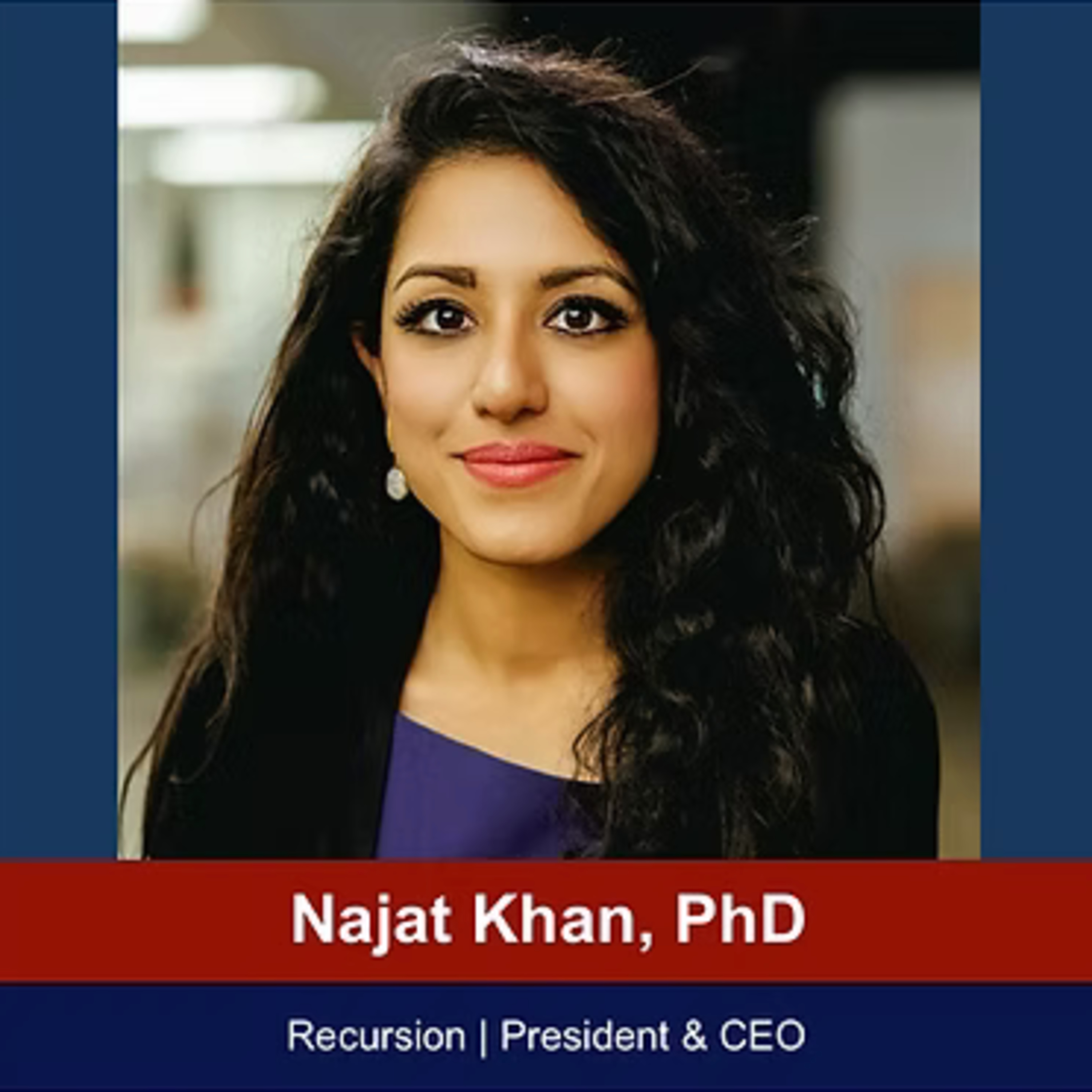
Recursion's CEO suggests communicating biotech's complexity by framing it as exploring a system we didn't design, unlike engineering. This humility-based analogy helps manage public expectations and explains the industry's long, non-linear timelines, fostering trust by highlighting the immense difficulty of decoding biology.
Don't dismiss the success of celebrity brands as unattainable. Instead, analyze the core mechanism: massive 'free reach' and 'memory generation.' The takeaway isn't to hire a celebrity, but to find your own creative ways to generate a similar level of organic attention and build a tribe around your brand.
Gamma's AI launch succeeded not just because of the product, but because they intentionally crafted a "spicy" and provocative tweet designed to spark debate. This drew engagement from influential figures like Paul Graham, massively amplifying their reach beyond what a standard announcement could achieve.

To become part of the cultural zeitgeist, brands must formally prioritize it. This involves creating a dedicated "culture pops" budget for unforeseen opportunities and fostering an environment where taking many experimental swings (and missing) is acceptable. This increases the odds of a viral hit without betting the farm on one big idea.

The Biotech TV Science Summit bridged the gap between corporate biotech and the public by engaging young, highly-followed science communicators from platforms like TikTok. This strategy allows companies to directly address public concerns and share their complex stories with a much broader, non-expert audience.

To break through, brands must become part of pop culture. Instead of just buying ads, create cultural moments that generate their own headlines. Rohan Oza did this with Vitaminwater by structuring an unprecedented equity deal with 50 Cent, making the brand a topic of conversation.
