Get your free personalized podcast brief
We scan new podcasts and send you the top 5 insights daily.
The Biotech TV Science Summit bridged the gap between corporate biotech and the public by engaging young, highly-followed science communicators from platforms like TikTok. This strategy allows companies to directly address public concerns and share their complex stories with a much broader, non-expert audience.

Related Insights
Aphaia's scientific approach is so different from the mainstream that they couldn't rely on existing market understanding. Their co-founder actively toured conferences and participated in interviews to tell their story repeatedly. This educational campaign was crucial for building trust and getting stakeholders to "buy into" their completely new therapeutic concept.

To explain complex subjects, meet the audience at their knowledge level, connect the topic to their lives, use historical analogies, adapt the format to the channel, and convey genuine passion. This multi-faceted approach overcomes the assumption that technical skills are a prerequisite for understanding.

The pharmaceutical industry is often misunderstood because it communicates through faceless corporate entities. It could learn from tech's "go direct" strategy, where leaders tell compelling stories. Highlighting the scientists and patient journeys behind breakthroughs could dramatically improve public perception and appreciation.

Nuanced health discussions are lost on social media algorithms that reward extreme takes. While more experts should engage, the long-term solution is to build new platforms, likely AI-driven, that prioritize substance over engagement and aren't designed to exploit our primitive impulses for profit.

Scientists often fail at persuasion because they operate in an environment where interest is assumed. To communicate effectively with investors, policymakers, or the public, the primary goal is not to explain the data but to first make the audience *care* about the problem. Only then will they be receptive to learning the details.

Dr. Solanki shares that in conversations with the public, he regularly encounters misinformation, like "Is pharma holding back the cure for cancer?". This highlights a critical and persistent reputation challenge for the industry that scientific leaders must be prepared to address directly and patiently, rather than ignoring.

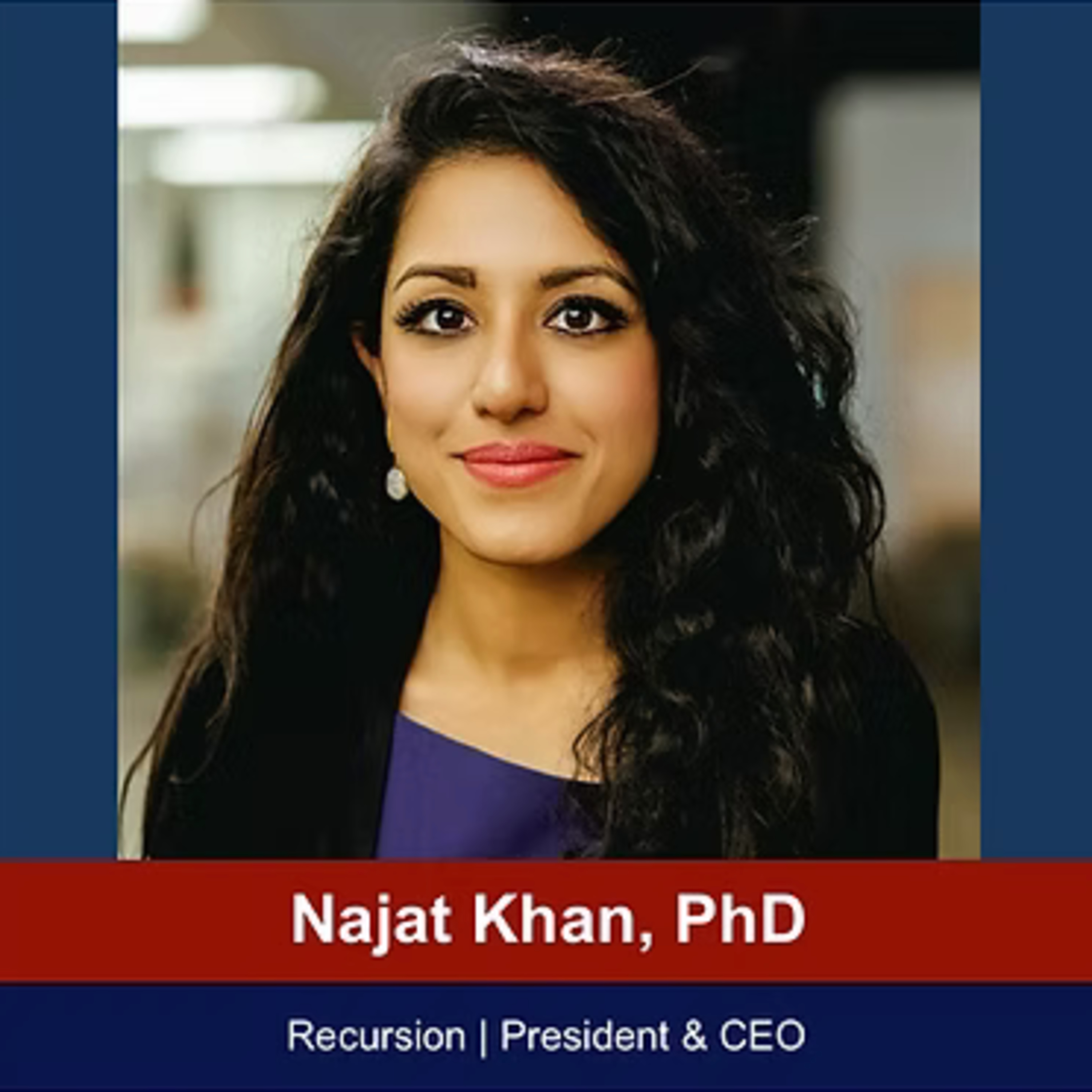
Recursion's CEO suggests communicating biotech's complexity by framing it as exploring a system we didn't design, unlike engineering. This humility-based analogy helps manage public expectations and explains the industry's long, non-linear timelines, fostering trust by highlighting the immense difficulty of decoding biology.
A conference attendee accused Nucleus Genomics of doing gene editing, which it doesn't. This illustrates how people build deeply held worldviews based on a single piece of misinformation, making proactive, clear communication essential for any company in a controversial space.
The biotech industry's messaging to legislators often fails because it focuses on economic contributions. To gain support and combat negative narratives, leaders must shift to "plain speak," using patient stories to humanize their work and focus on their core mission of improving health.

Contrary to the "crisis of trust" narrative, global surveys show consistently high public confidence in scientists. The real challenge is a crisis of influence, where the scientific voice is drowned out in a media ecosystem dominated by emotionally compelling anecdotes and misinformation, especially on social media.
