Get your free personalized podcast brief
We scan new podcasts and send you the top 5 insights daily.
High drug costs are systemic, rooted in the for-profit model's legal obligation to prioritize shareholder returns over patient affordability. This is compounded by a complex distribution chain where multiple middlemen—wholesalers, insurers, and pharmacies—each add a profit layer, inflating the final price.

Related Insights
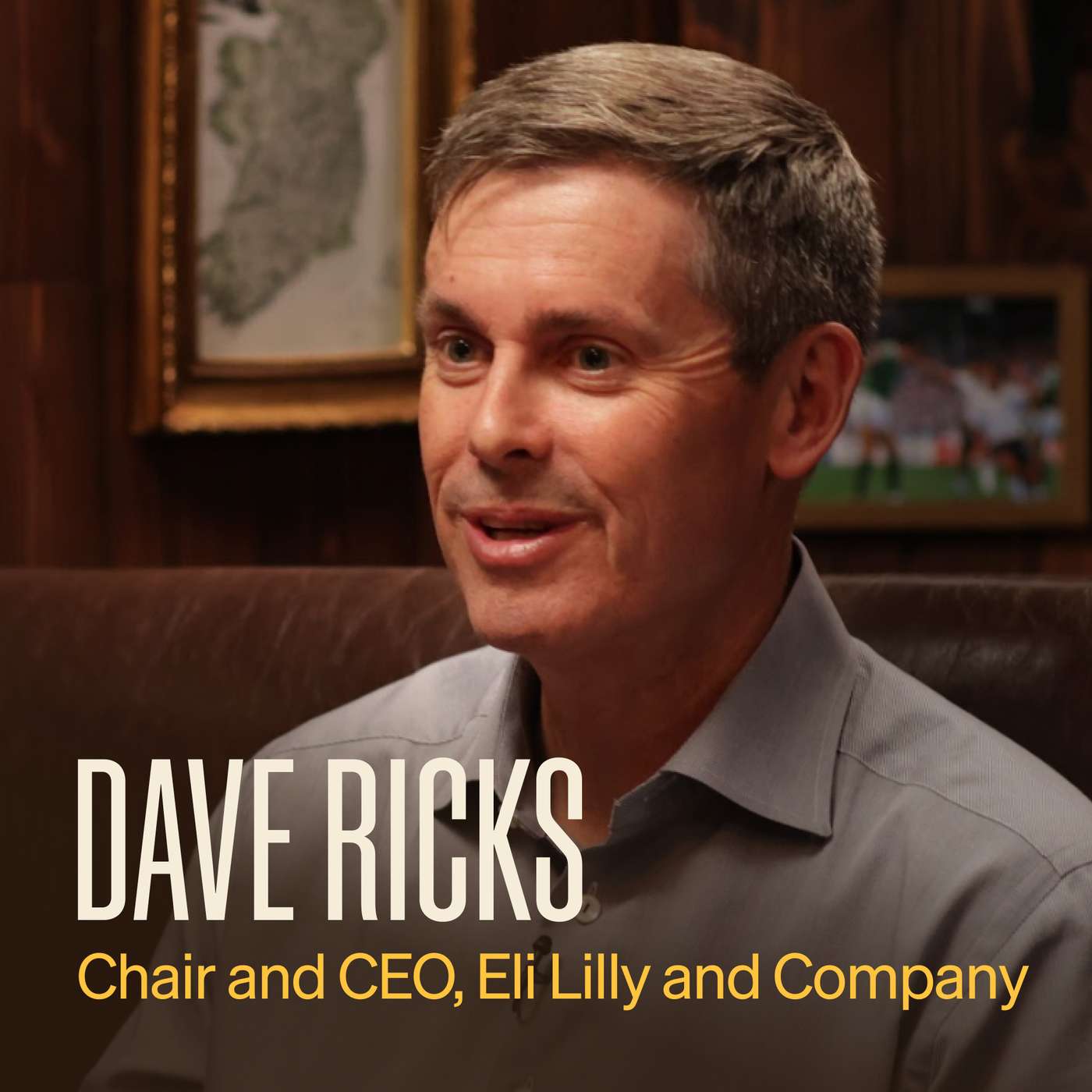
Unlike typical drugs with inelastic demand, the market for GLP-1s is price-elastic. Eli Lilly's CEO confirms that lowering prices directly expands the user base, creating a rare instance where capitalist incentives align with broader consumer access in the pharmaceutical industry.

Facing public outrage, Mylan offered a "generic" EpiPen at half price. However, due to convoluted drug pricing economics, this move quelled the controversy while allowing the company to earn nearly the same amount of profit per device. It exposed the illusion of consumer savings in a broken system.

The scientific knowledge to produce insulin is widespread. The primary barrier to creating an affordable biosimilar is not a scientific challenge but raising sufficient capital to navigate manufacturing and distribution, a problem addressed by Project Insulin's non-profit, fundraising-first model.
The US healthcare system is creating a major bottleneck for GLP-1s. While Medicare is beginning to cover the drugs for seniors, private insurers, who cover two-thirds of Americans, are simultaneously increasing hurdles and dropping coverage, effectively hitting the gas and brakes on a major public health tool.
The imbalance between rising drug development costs and financially strained public health systems is unsustainable. Novo Nordisk's CEO believes this will inevitably lead to a global trend of increased patient cost-sharing through cash channels and high co-pays, moving beyond traditional insurance models.

To fix the R&D funding imbalance, the CEO proposes a 'one fair price' system. A drug would have one US price with no rebates, and a price in other developed nations would be indexed to their GDP per capita.
The gap between U.S. and international drug prices is a structural feature of the pharma economy. High profits from the U.S. market fund expensive R&D that ultimately benefits the rest of the world, which pays far less for the same innovations. This reframes the debate around high American healthcare costs.

The emergence of low-cost, compounded versions of GLP-1 drugs from telehealth companies like Hims is creating significant pricing pressure on market leaders Novo Nordisk and Eli Lilly. This dynamic has pushed the pharma giants toward direct-to-consumer models with lower prices to compete.
To solve the insulin price bubble, Eli Lilly launched its own low-list-price biosimilar. However, insurers and PBMs initially refused to cover it because its low price and small rebate threatened their lucrative business model.
The large gap between insulin's list and net price was driven by Pharmacy Benefit Managers (PBMs). Their business model, which takes a percentage of the rebate, incentivized pharma to raise list prices to offer bigger discounts.