Get your free personalized podcast brief
We scan new podcasts and send you the top 5 insights daily.
The Trump administration's tariffs against Brazil's popular digital payment system, Pix, have spectacularly backfired. The move unified Brazilians across the political spectrum in defense of the system, turning a piece of financial infrastructure into a potent symbol of national resistance against perceived foreign interference.

Related Insights
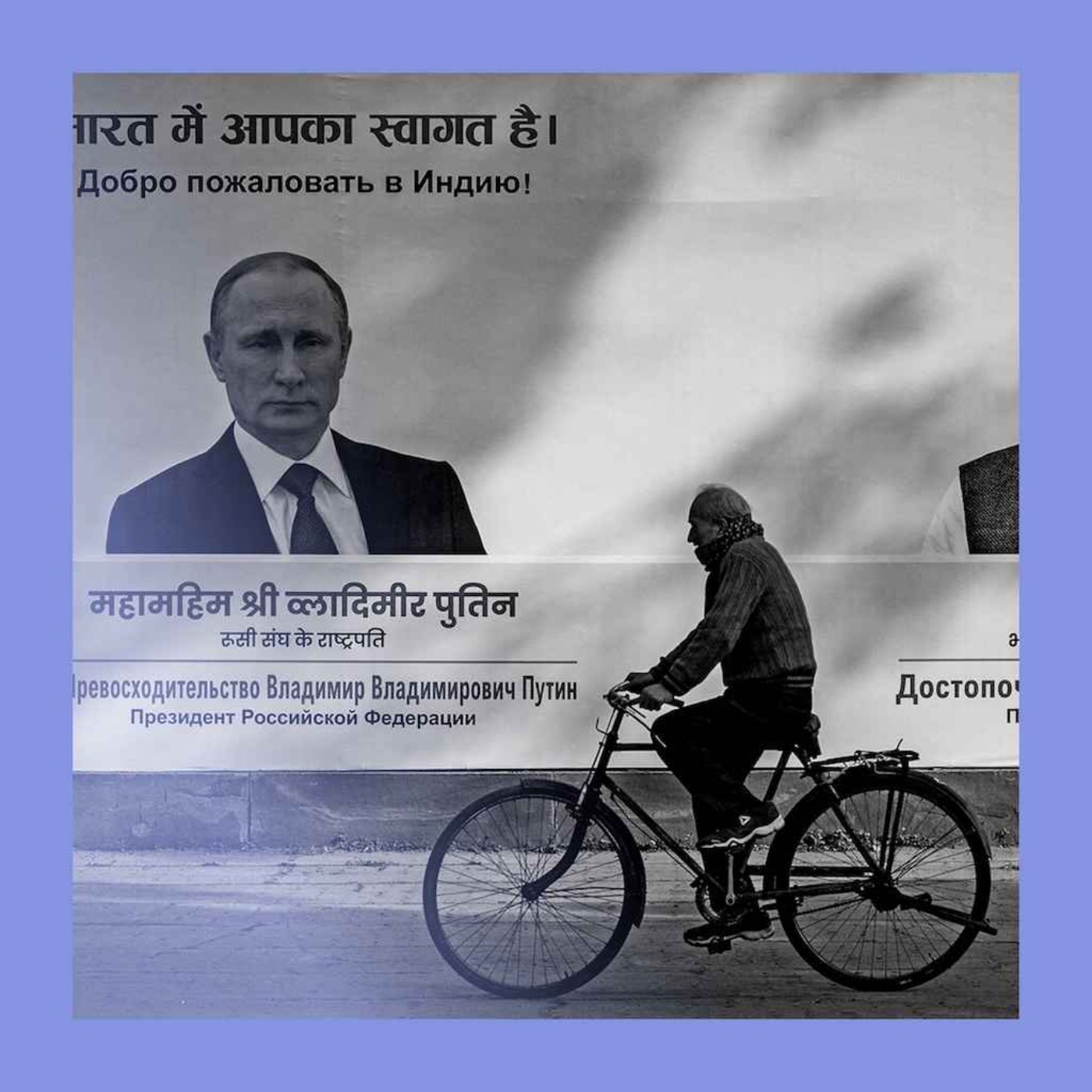
US tariffs, specifically a 50% tariff on India, have pushed Prime Minister Modi to publicly reinforce ties with Russia's Putin. This geopolitical shift is not just based on historical allegiance but is a direct strategic reaction to US economic pressure, demonstrating how "America First" policies can unintentionally benefit adversaries.
Visa's moat is threatened less by traditional competitors and more by sovereign payment systems. Government-backed networks like India's UPI and Brazil's Pix facilitate direct bank-to-bank transfers, bypassing Visa's rails. In China, state control and super apps like Alipay have effectively blocked Visa from the market.
Despite US trade complaints that Brazil's state-run Pix system harms American payment companies, data shows the opposite. Pix's main competitor was cash. By formalizing the financial system for millions, Pix has actually corresponded with a significant rise in credit and debit card transactions.
The US administration criticized Brazil's wildly successful instant-payment system, PIX, for harming companies like Visa. This stance reveals how deeply entrenched financial incumbents have captured US policy, actively resisting innovation that has made payments faster and cheaper in many other developed countries.

Contrary to expectations, Brazilian business sentiment is positive despite US tariffs and political friction. The country has successfully offset reduced trade with the U.S. by increasing exports of agricultural products like soybeans, corn, and beef to China, showcasing a significant pivot in trade alliances.

For years, foreign governments hesitated to regulate US tech giants due to explicit threats of retaliatory tariffs from the U.S. Trade Representative, creating a favorable global environment for American tech monopolies.

While publicly justified as measures to protect children, the wave of social media bans in Europe may be a form of economic retaliation. Frustrated with U.S. tariffs, nations are hitting back by restricting America's most powerful exports: its dominant tech platforms like Meta and Google.

The Brazilian national anthem has been co-opted by opposing political movements. In the 1990s, poor rural workers sang it to prevent police violence during protests. Decades later, supporters of right-wing president Jair Bolsonaro sang it during MAGA-style uprisings.

The aggressive, go-it-alone tactics of the 'America First' doctrine alienate both allies and adversaries. This pushes them to build alternative payment systems and trade alliances, speeding up the very de-dollarization and decline in U.S. influence that the strategy aims to prevent.

Contrary to popular belief, tariffs can be disinflationary by forcing foreign producers to absorb costs to maintain volume. They also function as a powerful national security tool, compelling countries to negotiate on non-trade issues like fentanyl trafficking by threatening their core economic models.