Get your free personalized podcast brief
We scan new podcasts and send you the top 5 insights daily.
The founder of Cabbage Labs, an orthopedic surgeon, developed his muscle rub after repeatedly hearing immigrant patients describe using cabbage leaf wraps for pain. After researching and finding scientific validation for the folk remedy, he created a successful commercial product. This shows innovation can come from listening to user hacks.

Related Insights
Founder Taylor Algren's experience as a heart failure patient directly inspired his AI startup, EasyMedicine. This deep personal understanding allows him to build a more human-centric solution for chronic disease patients by authentically anticipating their struggles with the healthcare system.

The brand’s first fragrance wasn't born from market research but from the founder's personal need as a makeup artist for a scent that was clean and not overpowering to clients. This hyper-personal origin created a unique product and became a core theme for all future development.

Lancer Skincare's founder, a practicing dermatologist, provides a unique feedback channel. Daily patient interactions offer direct insights into product performance and identify market gaps for new products, a method more authentic and effective than traditional focus groups.

Instead of commissioning expensive, large-scale market research, leaders at small biotechs can gain critical insights by spending hours in direct conversation with physicians. This scrappy, efficient approach uncovers nuanced needs and real-world concerns.

Successful MedTech innovation starts by identifying a pressing, real-world clinical problem and then developing a solution. This 'problem-first' approach is more effective than creating a technology and searching for an application, a common pitfall for founders with academic backgrounds.
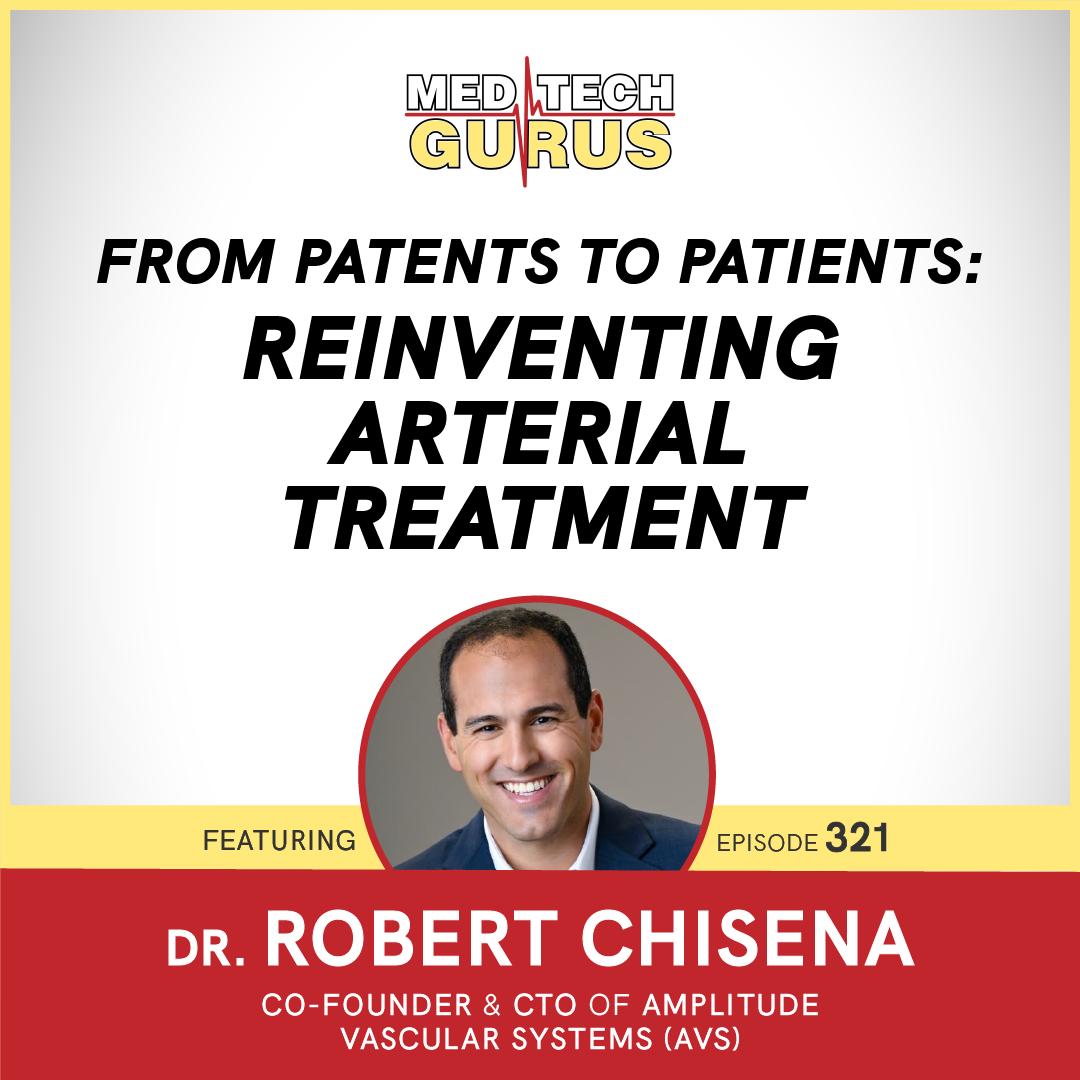
When a patient told him he "needed to figure this out," the founder's first step wasn't to write a business plan, but to scientifically understand *why* the device worked. This focus on first principles and efficacy over immediate commercialization built a strong foundation for the product.
The SmallTap cradle was conceived when a frustrated hospitalist, after a difficult procedure, had a chance encounter with a neonatologist who was also a former architect and teaching a device design class. This fusion of acute clinical need with outside expertise sparked the innovation.

Hedley & Bennett founder Ellen Bennett, a line cook herself, used top chefs as a real-time focus group. By asking her target audience directly what was wrong with existing products and what they needed, she gathered all the building blocks to create a superior product without formal R&D.
Blackstone develops new accessories not by inventing needs, but by watching what customers do. They noticed people using modified cake pans as melting domes on YouTube and created an official product. This consumer-driven approach ensures product-market fit for ancillary items.

The founder's personal, severe pain wasn't just a backstory; it was the direct driver for invention. He created the Theragun to solve his own debilitating nerve pain when existing medical solutions failed him, highlighting how deep personal need can fuel groundbreaking innovation.