Get your free personalized podcast brief
We scan new podcasts and send you the top 5 insights daily.
When a patient told him he "needed to figure this out," the founder's first step wasn't to write a business plan, but to scientifically understand *why* the device worked. This focus on first principles and efficacy over immediate commercialization built a strong foundation for the product.

Related Insights
The company's genesis was unconventional. It was founded by Bob Yant, a patient with a spinal cord injury, who proactively sought out leading researchers to translate promising science into therapies. This patient-driven model highlights an alternative pathway for biotech creation, where the 'problem' finds its 'solution' in academia.

The transition from academia to entrepreneurship is most successful when the focus shifts from pure science or technology to solving a tangible, pre-existing clinical problem. This ensures market interest, clinical adoption, and ultimately, patient impact from the outset.
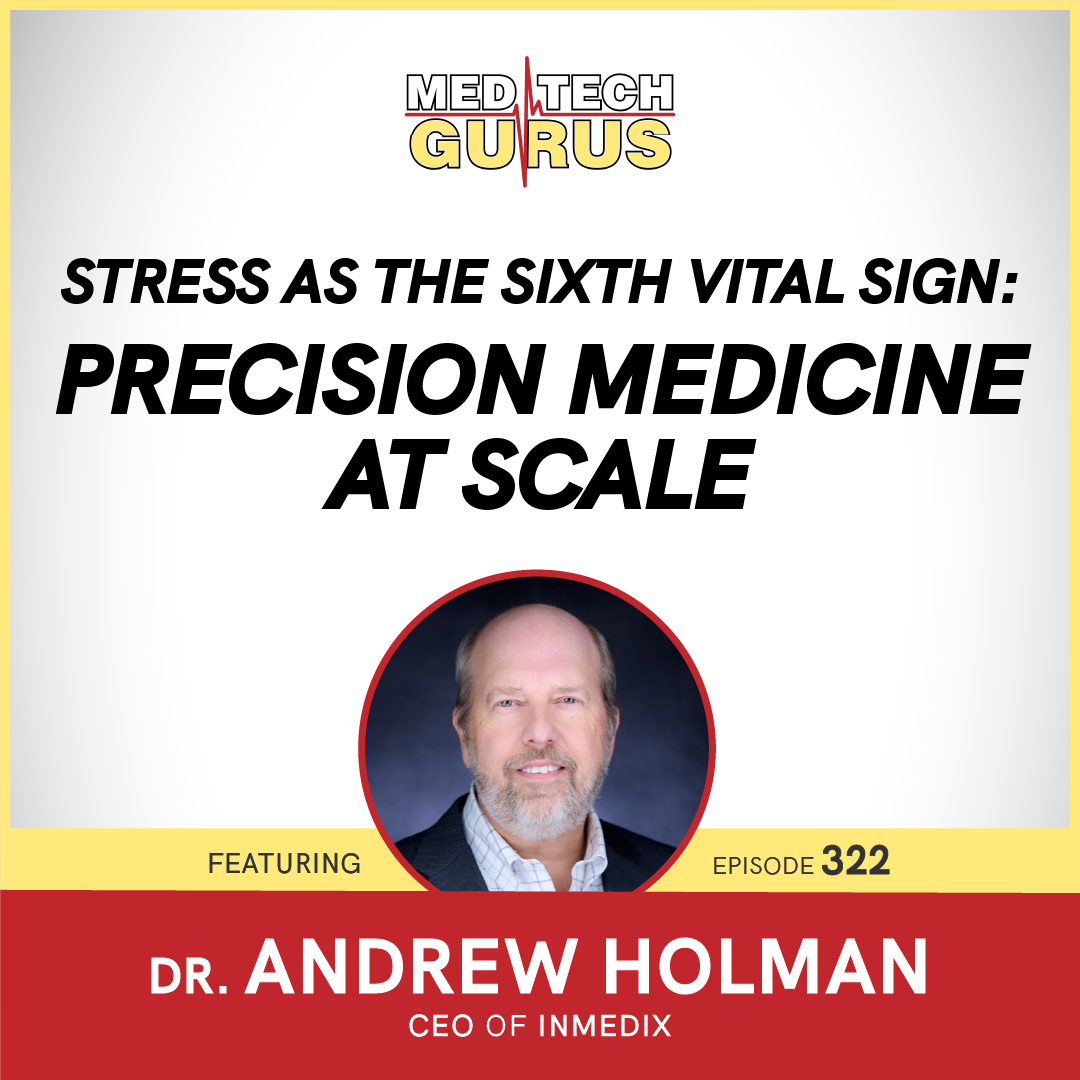
Dr. Holman started his company at 55, driven by decades of watching patients suffer from autoimmune diseases. This deep-seated motivation to solve a problem he knew intimately fostered a long-term, validation-focused approach centered on finding "proof points," a contrast to the faster, exit-oriented mindset of many younger founders.
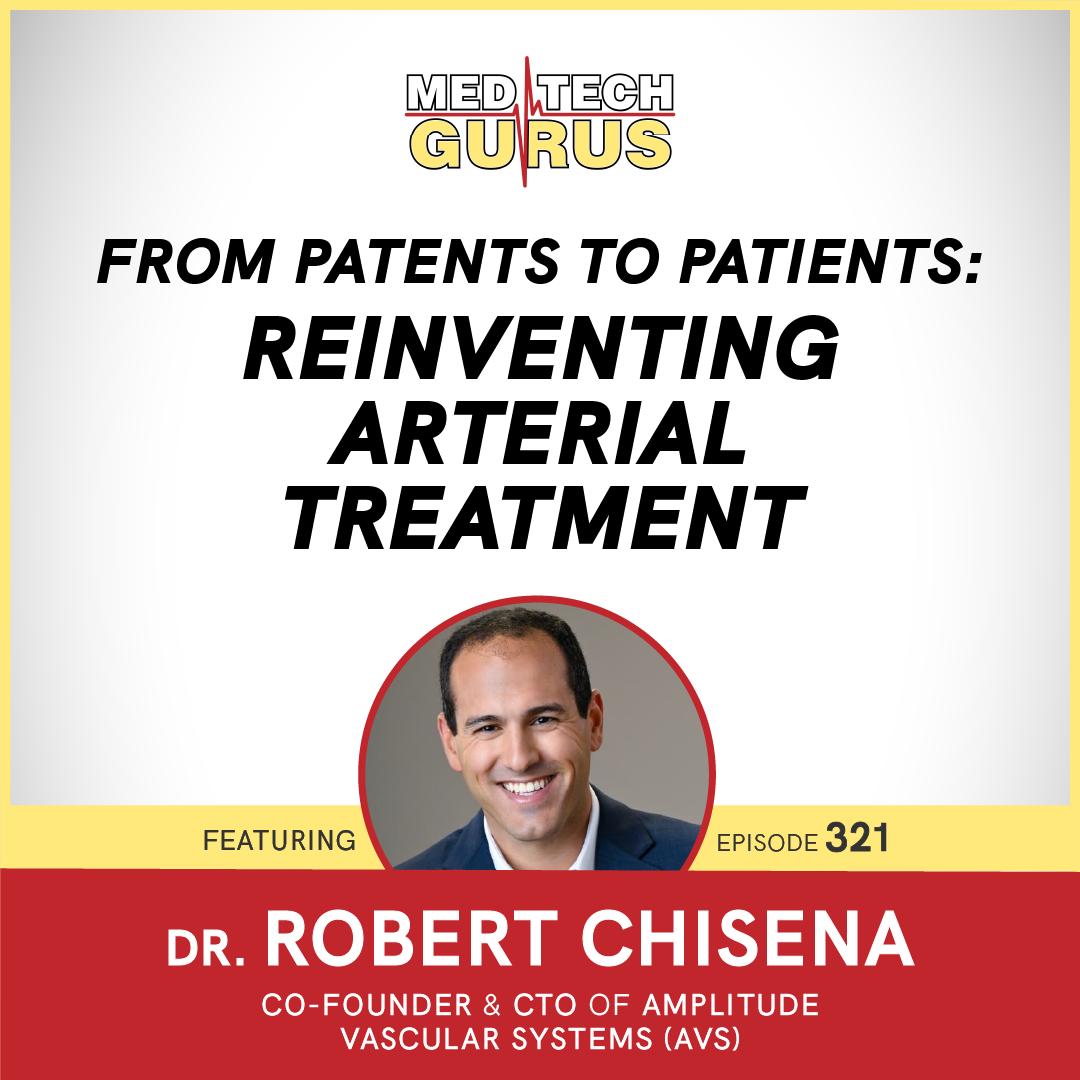
Successful MedTech innovation starts by identifying a pressing, real-world clinical problem and then developing a solution. This 'problem-first' approach is more effective than creating a technology and searching for an application, a common pitfall for founders with academic backgrounds.
Instead of searching for a market to serve, founders should solve a problem they personally experience. This "bottom-up" approach guarantees product-market fit for at least one person—the founder—providing a solid foundation to build upon and avoiding the common failure of abstract, top-down market analysis.

A crucial piece of advice for biotech founders is to interact with patients as early as possible. This 'patient first' approach helps uncover unmet needs in their treatment journey, providing a more powerful and differentiated perspective than focusing solely on the scientific or commercial landscape.
Founder Derek Small's career was imprinted by two key moments: an oncology patient stabilizing for five years on a first dose, and depression patients calling to say his drug "literally changed my life." These direct impacts provided a powerful, mission-driven focus.
Many scientists are driven by pure curiosity. However, the mindset that pushes an academic toward entrepreneurship is a relentless focus on reaching a definitive conclusion—a 'yes or no' answer. This goal-oriented drive to translate a concept into a real-world application is a key founder trait in biotech.
The founder's personal, severe pain wasn't just a backstory; it was the direct driver for invention. He created the Theragun to solve his own debilitating nerve pain when existing medical solutions failed him, highlighting how deep personal need can fuel groundbreaking innovation.
For clinicians turned entrepreneurs, the first step is not ideating a solution. It's rigorously studying a problem they face, quantifying it, and confirming it's a universal issue across many institutions. True innovation stems from this deep, problem-first validation, not from a technology-first approach.
