Get your free personalized podcast brief
We scan new podcasts and send you the top 5 insights daily.
Unlike competitors who gated funds during the 2008 crisis, Marshall Wace honored all redemption requests. This made them the "cash point" for the industry, causing their AUM to plummet from $14B to $3.5B. This painful decision cemented their long-term reputation and institutional trust.

Related Insights
While other private credit managers capped withdrawals amid market panic, Blackstone took a different approach. It used its own balance sheet and $400 million from its executives to ensure all investors could pull their money out. This was a unique move to signal confidence and protect its brand, especially with retail investors.

Redemption gates are critical for managing liability-side risks like investor runs, giving funds time to manage outflows. However, they are ineffective against asset-side problems. If underlying loan portfolios suffer high default rates, the fund's value will still deteriorate, and gates can't prevent those ultimate losses.

The term "semi-liquid" for private asset funds is misleading. Retail investor behavior is procyclical; during a downturn, redemption requests will surge simultaneously. This reveals the assets' true illiquidity, turning a perceived feature into a systemic risk.
![Alan Waxman - Private Credit and the Modern Financial System - [Invest Like the Best, EP.466] thumbnail](https://megaphone.imgix.net/podcasts/d74e56f4-32b4-11f1-8f92-73b020faf92b/image/19a5a75bf6e9b6131d99141fe8b5e802.jpg?ixlib=rails-4.3.1&max-w=3000&max-h=3000&fit=crop&auto=format,compress)
During the 2008 financial crisis, Madison Realty Capital's open-ended fund faced massive redemption requests. To protect all LPs, especially one who invested just before Lehman's collapse, they gated the fund. This strategic move ensured all investors were treated equally rather than allowing a "first-out" advantage.

Quarterly redemption limits in retail private credit funds, designed for stability, can have a perverse effect. To meet withdrawals, funds sell their most liquid and highest-quality loans first. This progressively worsens the quality of the remaining portfolio, potentially intensifying future redemption requests from concerned investors.

Limiting redemptions in private credit funds, often seen negatively, is a crucial defense. It prevents a run on the fund by stopping a mismatch where illiquid loans would have to be sold to meet liquid redemption demands, which could cause a collapse.
Fears of a systemic private credit collapse are mitigated by a key structural feature: the manager's ability to cap redemptions at 5%. This prevents a forced mass liquidation of assets to meet redemption requests, containing the liquidity crisis to a small part of the market and averting a downward price spiral.

The 5% quarterly redemption limit in non-traded BDCs is not a panic-induced "gate" but a deliberate structural feature. It aligns investor liquidity with the illiquid nature of the underlying loans, preventing forced sales at distressed prices and protecting the fund's integrity for all investors. The term "gate" misrepresents this contractual design.

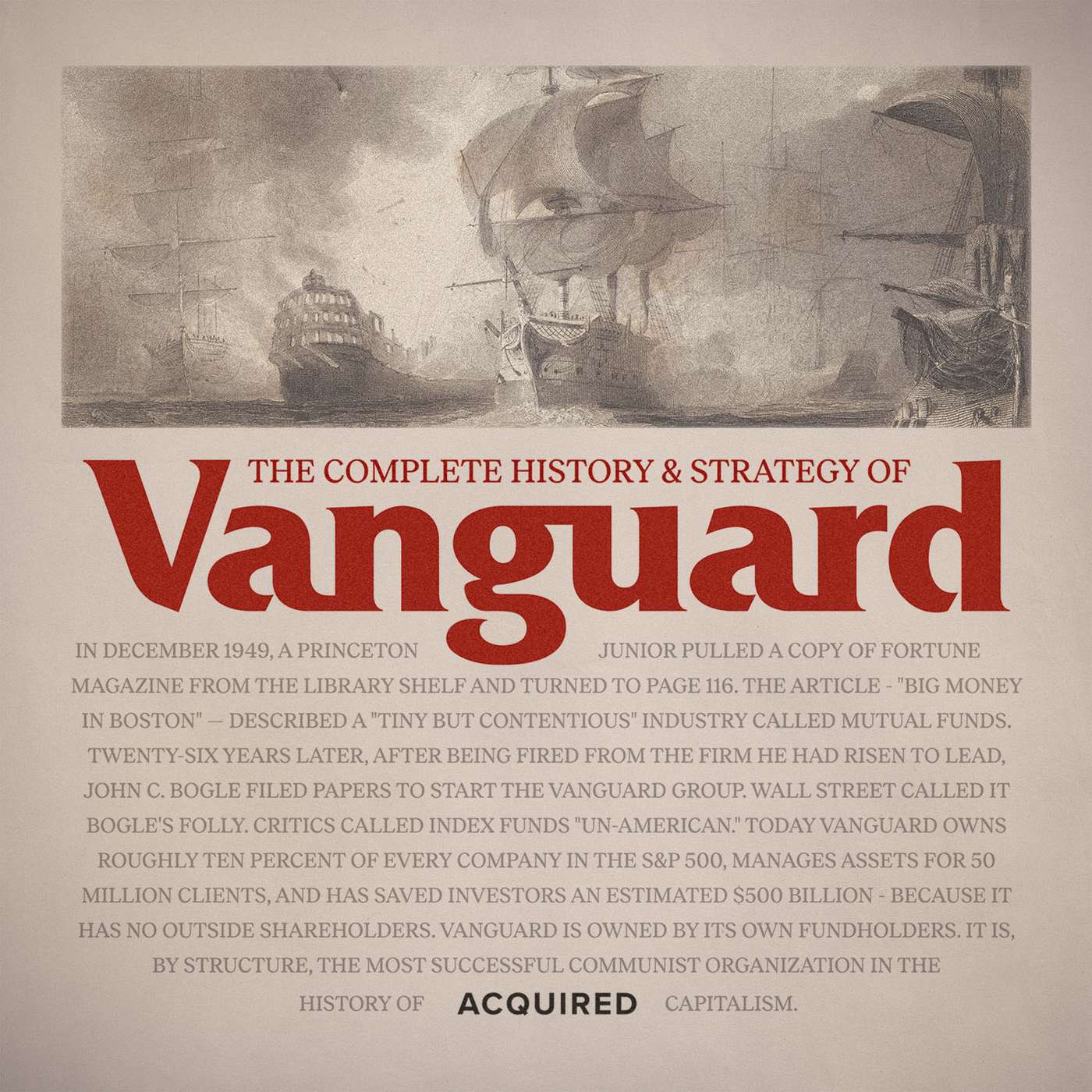
The 2008 crisis was Vanguard's defining moment. The widespread failure of 'smart' active managers to protect investors destroyed their credibility. In contrast, Vanguard's simple, non-profit model resonated with a distrustful public, causing its share of fund inflows to double almost overnight.
During a redemption wave, retaining investors depends less on past underwriting wins and more on future communication. Managers who build trust through radical transparency—explaining their portfolio, process, and marks—are better positioned to calm investor nerves and prevent a panicked rush for the exit, making communication a key risk management tool.
