Get your free personalized podcast brief
We scan new podcasts and send you the top 5 insights daily.
To combat perverse incentives common in healthcare, Superpower's business model makes customer retention its most sensitive financial variable. This forces the company to be "truth-seeking" and deliver real value, as users will churn if they lose trust or don't see results in their health.

Related Insights
When evaluating AI companies, focus on customer love (gross retention) and efficient acquisition over gross margins. High margins are less critical initially, as the 99%+ decline in model input costs suggests a clear path to future profitability if the core product is sticky.

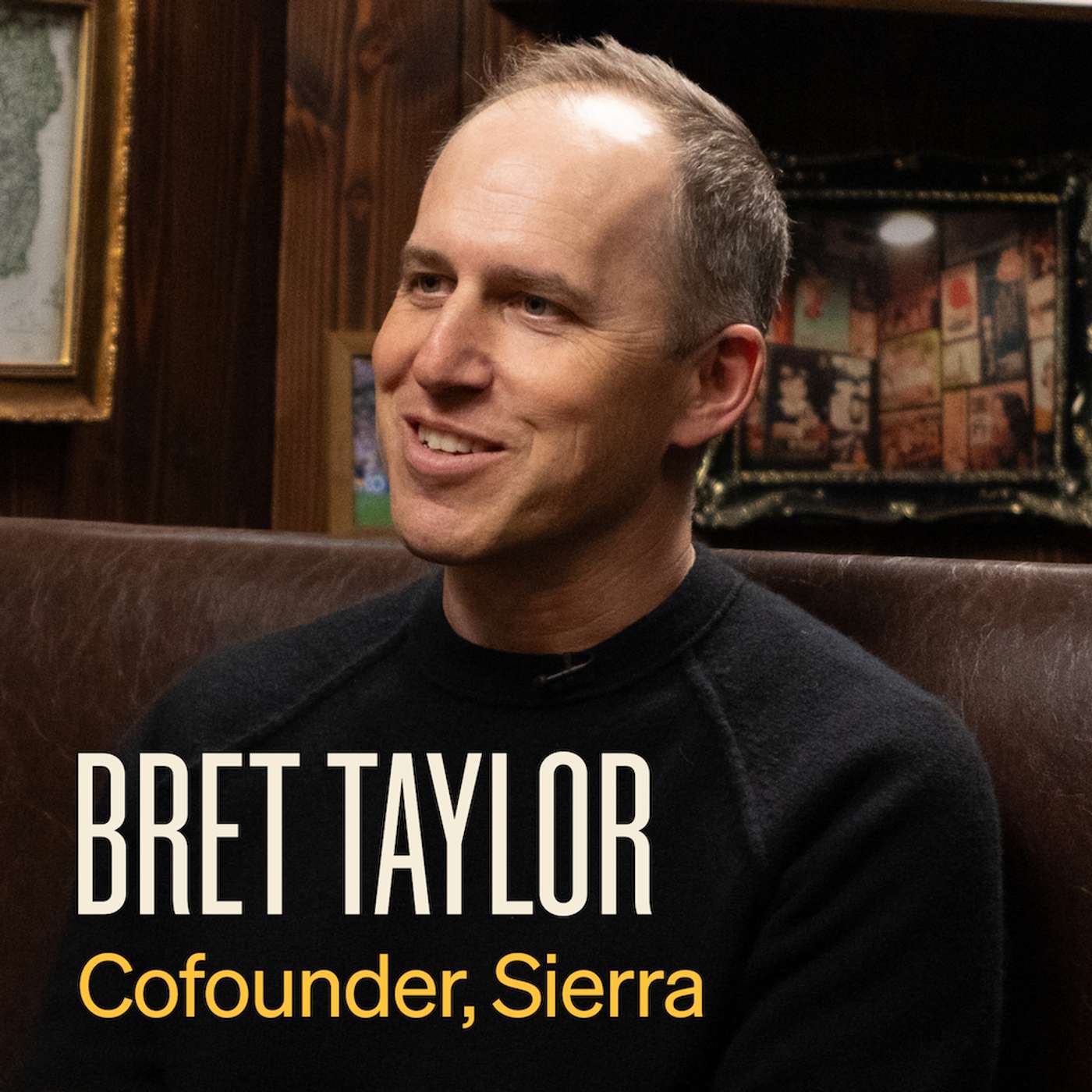
Bret Taylor's firm, Sierra, is pioneering an "outcomes-based pricing" model for its AI agents. Instead of charging for software usage, they only charge clients when the AI successfully resolves a customer's problem without human escalation. This aligns vendor incentives with tangible business results like problem resolution and customer satisfaction.

Product stickiness in health systems is achieved through deep workflow integration. By embedding a solution into the daily processes of every stakeholder—from medical assistants to billing coordinators—it becomes entrenched and difficult to replace, mirroring the zero-churn model of EMR giant Epic.
The Tempo app moves beyond typical health dashboards by creating actionable 'protocols' to improve user compliance. The insight is that users don't just need more data; they need a system that helps them consistently perform health-improving behaviors, which is the core challenge in wellness.
For ChatGPT, the true sign of durable value is whether users return after three months. This focus on long-term retention dictates product decisions, with the core belief that revenue is a byproduct of solving user problems, not a direct optimization target.

The current AI hype cycle can create misleading top-of-funnel metrics. The only companies that will survive are those demonstrating strong, above-benchmark user and revenue retention. It has become the ultimate litmus test for whether a product provides real, lasting value beyond the initial curiosity.

The future business model for health tech will shift from subscriptions (SaaS) to outcomes. Vendors will be paid based on the tangible results they generate, such as cost savings or improved patient health, aligning incentives.

AI company Sierra uses an outcomes-based model, charging clients only for successful resolutions. CEO Bret Taylor explains this forces his team to prioritize rapid, effective deployment ("go-live process") over traditional sales cycles, as revenue is directly tied to customer value, not software licenses.

The primary challenge for direct-to-consumer (DTC) AI doctor services is not technology but economics. High customer acquisition costs and churn make a standalone subscription model untenable. Successful AI doctors will likely be a top-of-funnel feature for a larger, integrated healthcare business.

Bret Taylor of Sierra argues outcome-based pricing (charging for a resolved case) is superior to usage-based pricing (charging for tokens). It aligns vendor and customer interests by tying cost directly to business value, not resource consumption. This forces the vendor to improve product effectiveness, not just optimize for usage.