Get your free personalized podcast brief
We scan new podcasts and send you the top 5 insights daily.
The official NFL partnership provides more than content access. Its main commercial value is enabling the sales team to leverage the NFL's brand and IP. This co-branding significantly lowers the barrier to selling to major advertisers, especially those already partnered with the league, making the deal instantly profitable.

Related Insights
Versant CEO Mark Lazarus asserts that sports has been the primary catalyst for consumer adoption of every transformational media technology, from radio and broadcast TV to cable, satellite, and now streaming. This history underpins the enduring high value of sports rights and franchises within the media ecosystem.

Instead of buying entire sports seasons, Netflix acquires single, high-impact events like a Christmas NFL game. This 'eventizing' strategy creates maximum buzz for a lower relative cost by turning content releases into unforgettable, can't-miss dates on the cultural calendar.

Sixth Street's sports strategy views iconic teams like FC Barcelona or the New York Yankees as global consumer brands, not just local franchises. This "local to global, enabled by technology" lens opens up investment opportunities based on brand value and consumer reach, moving beyond traditional sports team valuation metrics.

Coca-Cola's relationship with McDonald's became a powerful symbiotic partnership. Coke helped McDonald's expand globally by providing office space and local relationships. In return, Coke received a massive, loyal sales channel with preferential treatment, demonstrating how deep partnerships create value far beyond simple transactions.
True Religion strategically defines the objective of each partnership before launch. A collaboration with Ford aimed for mass scale and broad awareness. In contrast, a partnership with fashion brand Bella Donna was specifically designed to attract a new, targeted audience (the Hispanic consumer), showcasing a dual-pronged approach to growth.
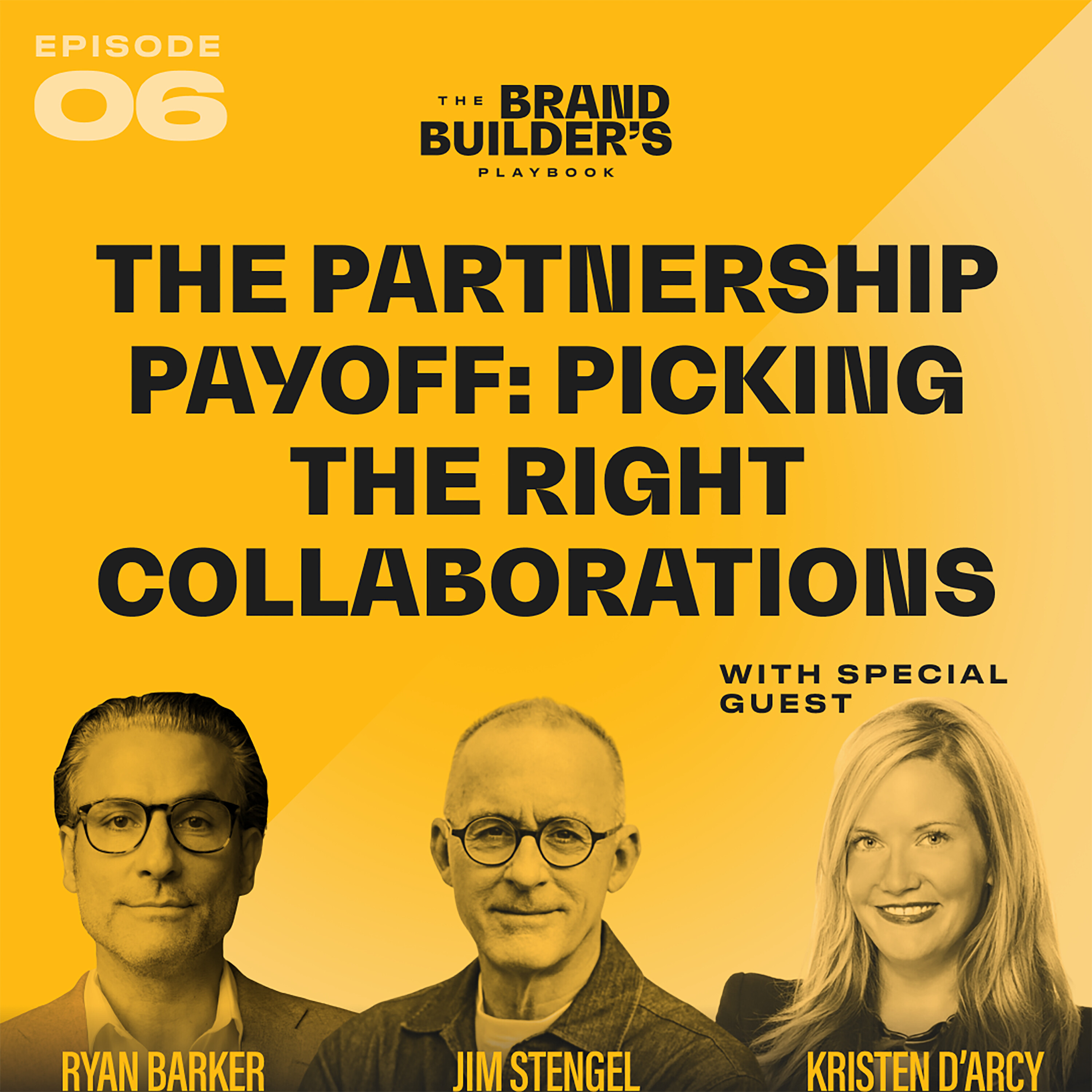
Front Office Sports intentionally diversified from 90% reliance on newsletters to a healthier model where newsletters, social media, and events each contribute significantly (roughly 30%, 30%, and 20%). This balanced, multi-pillar revenue strategy makes the business more resilient, scalable, and valuable.
For a rising media company, securing an investment from an industry titan like former CNN CEO Jeff Zucker was a strategic move for market credibility. This validation signaled to partners and competitors that Front Office Sports was a legitimate player, accelerating their path to the top tier of the industry.
“Partner Lifetime Value” reframes partnerships as long-term assets, not transactional wins. Companies committing to consistent, long-run partnerships achieve superior growth and profitability, creating a force multiplier effect far beyond standard customer lifetime value.

For products valuable only when others use them (like credit cards or social apps), Super Bowl ads are uniquely effective. The value isn't just reaching many eyeballs, but ensuring those eyeballs know *other* eyeballs are also watching, solving the chicken-and-egg adoption problem.

The traditional divide between B2B and B2C marketing is obsolete. Effective brands must speak to business and consumer audiences with the same authentic voice, bridging efforts to create a cohesive identity, much like how the NFL mothership brand supports individual team brands.
