Get your free personalized podcast brief
We scan new podcasts and send you the top 5 insights daily.
Despite writing for every project, Tim McGraw's core creative principle is that "the song always has to win." This objectivity—choosing the best material regardless of its source—is a key reason for his 30+ years of relevance and success in the music industry.

Related Insights
McGraw knew his controversial song "Indian Outlaw" would work despite label objections because he'd played it hundreds of times in clubs to overwhelming audience reactions. This real-world testing provided the conviction to override executive doubt.
Rubin sees his producer role as being a temporary member of the band. Unlike musicians focused on their own parts, he is singularly focused on the quality of the whole, free from personal agendas about a specific instrument or part, making him the ultimate objective arbiter.

McGraw launched his career with "Indian Outlaw," a controversial novelty song, immediately followed by "Don't Take the Girl," a classic country story. This 1-2 punch showcased his range and prevented him from being pigeonholed as a one-hit-wonder.
McGraw turned down his first performance on the CMAs because the network only gave him three minutes for a five-minute story-song ("Don't Take the Girl"). He knew performing an incomplete version would do more harm than good, prioritizing artistic integrity over exposure.
After his first album "went wood," Tim McGraw's label forgot about him. This neglect allowed him to self-fund and produce his breakout second album, "Not a Moment Too Soon," entirely on his own terms, without any executive interference or approval.
Witnessing many rock artists burn out, Springsteen committed to developing 'craft and a creative intelligence.' He believed this was essential for durability, allowing him to evolve and stay relevant long after initial inspiration and instinct faded.
Rubin avoids chasing the "newest sounds" because they quickly become dated when the next trend emerges. Instead, he focuses on foundational elements, like a grand piano, that sounded great 50 years ago and will sound great 50 years from now, ensuring his work has a timeless quality.
Technical talent is not the primary driver of resonant creative work. The key ingredient is 'taste'—an unteachable ability to discern what will be emotionally pleasing and impactful to an audience. This intuitive sense separates good creators from great ones.

McGraw recorded "Live Like You Were Dying" at 2 a.m. only after seeing his grieving uncle. He felt a specific "melancholy" and "magic in the air." This illustrates that great creative work often depends on recognizing and acting upon a specific, unrepeatable emotional moment.
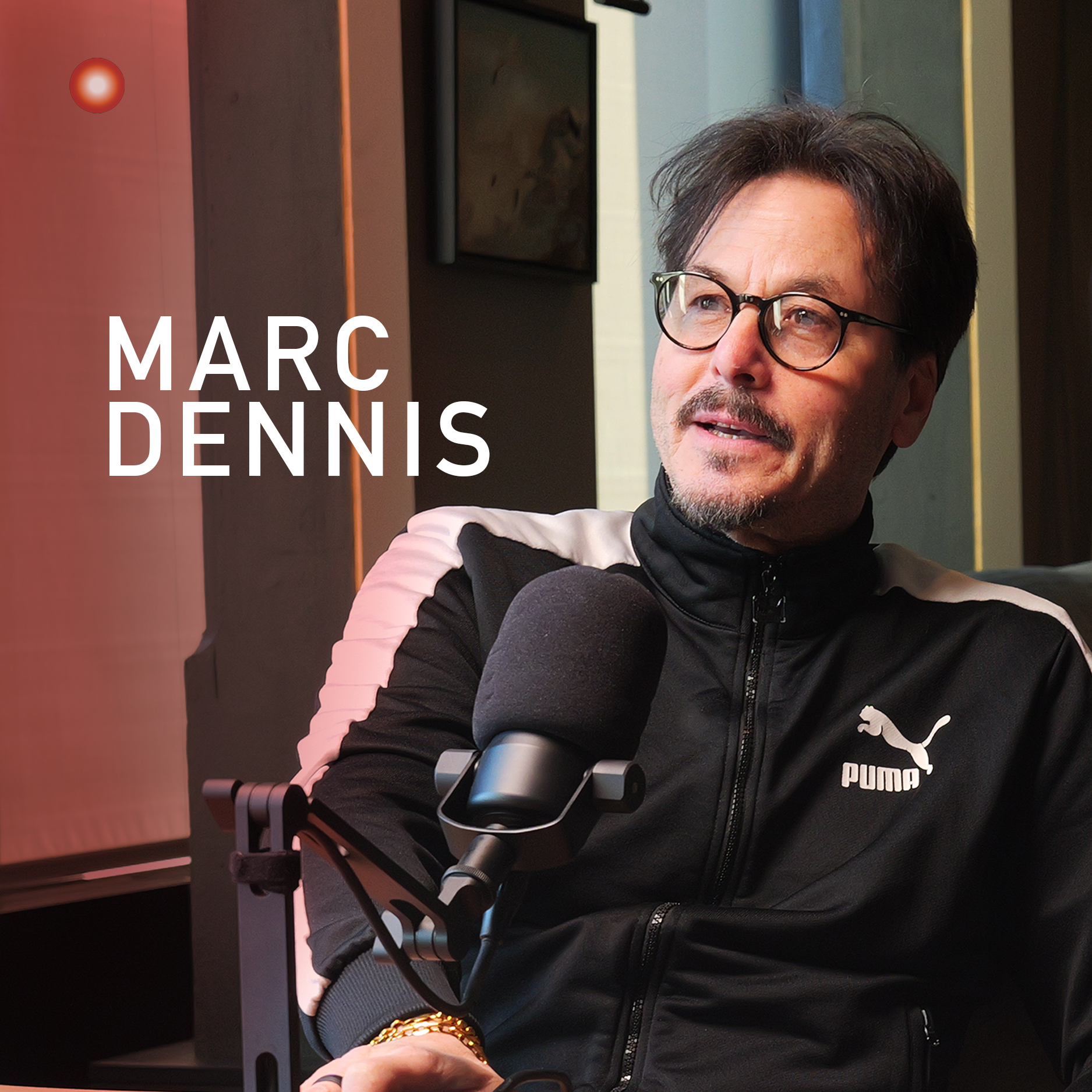
Instead of offering a formula for success, artist Marc Dennis tells aspiring creatives that the key to failure is trying to please everyone. True artistic success requires finding and staying true to a unique voice, even if it disappoints others' expectations or preconceived notions.