Get your free personalized podcast brief
We scan new podcasts and send you the top 5 insights daily.
The move from defined-benefit pensions to defined-contribution 401(k)s forced individuals to over-accumulate assets to guard against an unknown lifespan. This created a massive, structural, and inflationary demand for financial assets, as everyone must plan for a worst-case retirement scenario.

Related Insights
Secular inflation is a policy outcome, not an accident. Continuous government spending, debt monetization, and policies aimed at preventing any reduction in aggregate demand are the primary drivers, counteracting the natural deflationary pressures of a crisis and embedding inflation.
The wealth divide is exacerbated by two different types of inflation. While wages are benchmarked against CPI (consumer goods), wealth for asset-holders grows with "asset price inflation" (stocks, real estate), which compounds much faster. Young people paid in cash cannot keep up.

Holding cash is a losing strategy because governments consistently respond to economic crises by printing money. This devalues savings, effectively forcing individuals to invest in assets like stocks simply to protect their purchasing power against inflation.

The primary driver of wealth inequality isn't income, but asset ownership. Government money printing to cover deficit spending inflates asset prices. This forces those who understand finance to buy assets, which then appreciate, widening the gap between them and those who don't own assets.

Modern monetary policy is a deliberate trade-off: prevent a 1929-style depression by accepting perpetual, slow-moving inflation. This strategy, however, systematically punishes savers and wage-earners while enriching asset owners, creating a 'K-shaped' economy where the wealth gap consistently widens.

Since leaving the gold standard in 1971, the default government response to any financial crisis has been to expand the money supply. This creates a persistent, long-term inflationary pressure that investors must factor into their strategies, particularly for fixed-income assets.
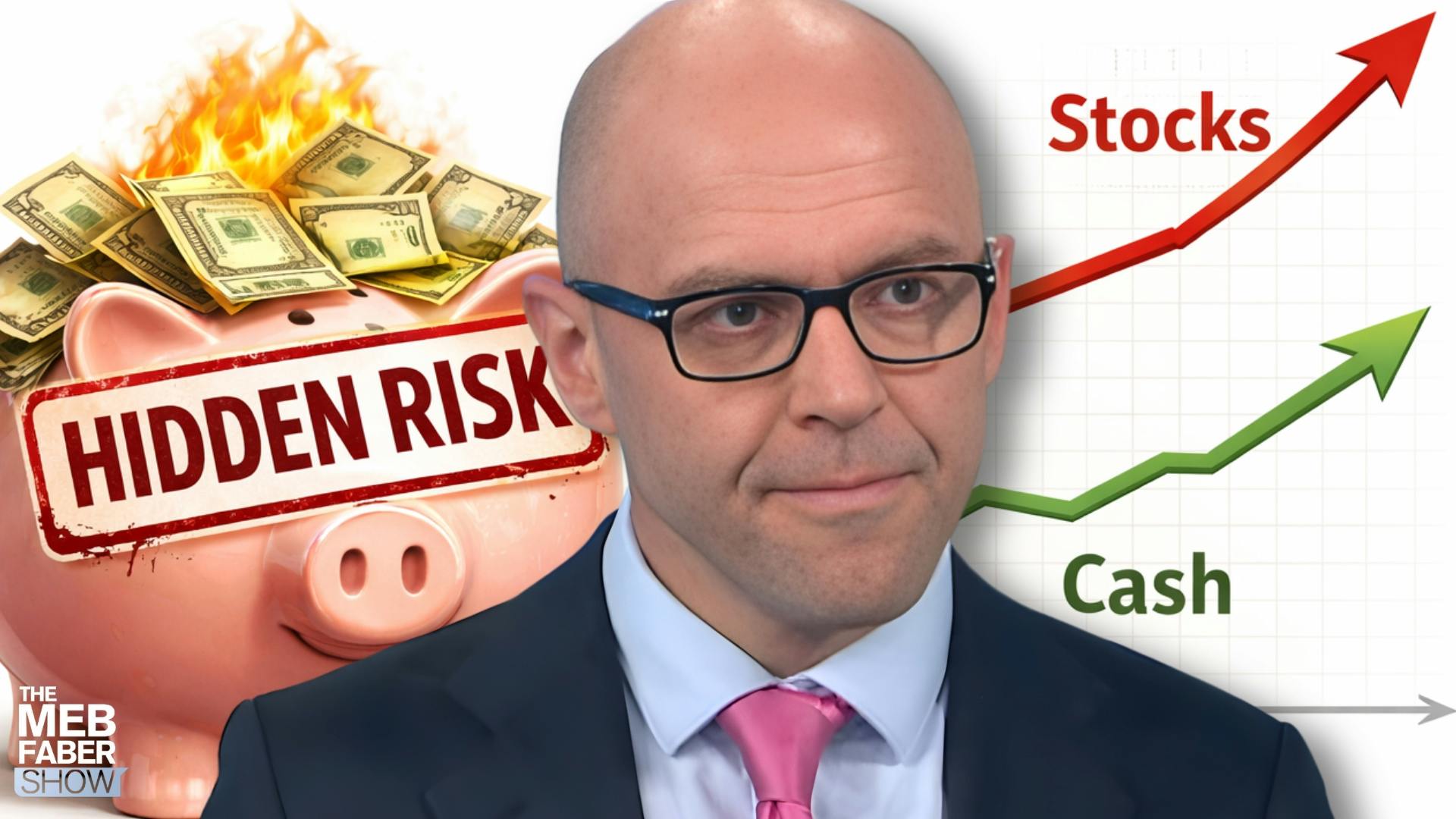
Printing money doesn't create value; it inflates the price of finite assets like stocks and real estate. Those who own these non-inflatable assets see their net worth skyrocket, while those holding cash or earning wages are robbed of purchasing power, creating a widening wealth gap.

The risk of saving, investing, and decumulation is shifting from institutions to individuals as pensions disappear. Buchwald warns that the country has not fully processed this change, and the current 401k system isn't designed to make the necessary long-term decisions easy for individuals who now bear all the risk.

While DC plans receive huge inflows, a large portion of assets leaks out annually into rollover IRAs as employees change jobs. This dynamic means the net growth of the captive 401(k) asset pool is less explosive than top-line numbers suggest, tempering the "flood of capital" narrative for private markets.

The standard 401(k) is filled with daily-liquid assets, despite having a time horizon of decades. This structural mismatch unnecessarily limits potential returns. This is the core argument for allowing more access to less-liquid private market investments within retirement plans.