Get your free personalized podcast brief
We scan new podcasts and send you the top 5 insights daily.
Hint moved from negative-space messaging (e.g., "zero sugar") to an identity-based platform: "water for people with taste buds." This builds a tribe by telling consumers who the product *is* for, rather than just justifying an ingredient label, creating a stronger emotional connection.

Related Insights
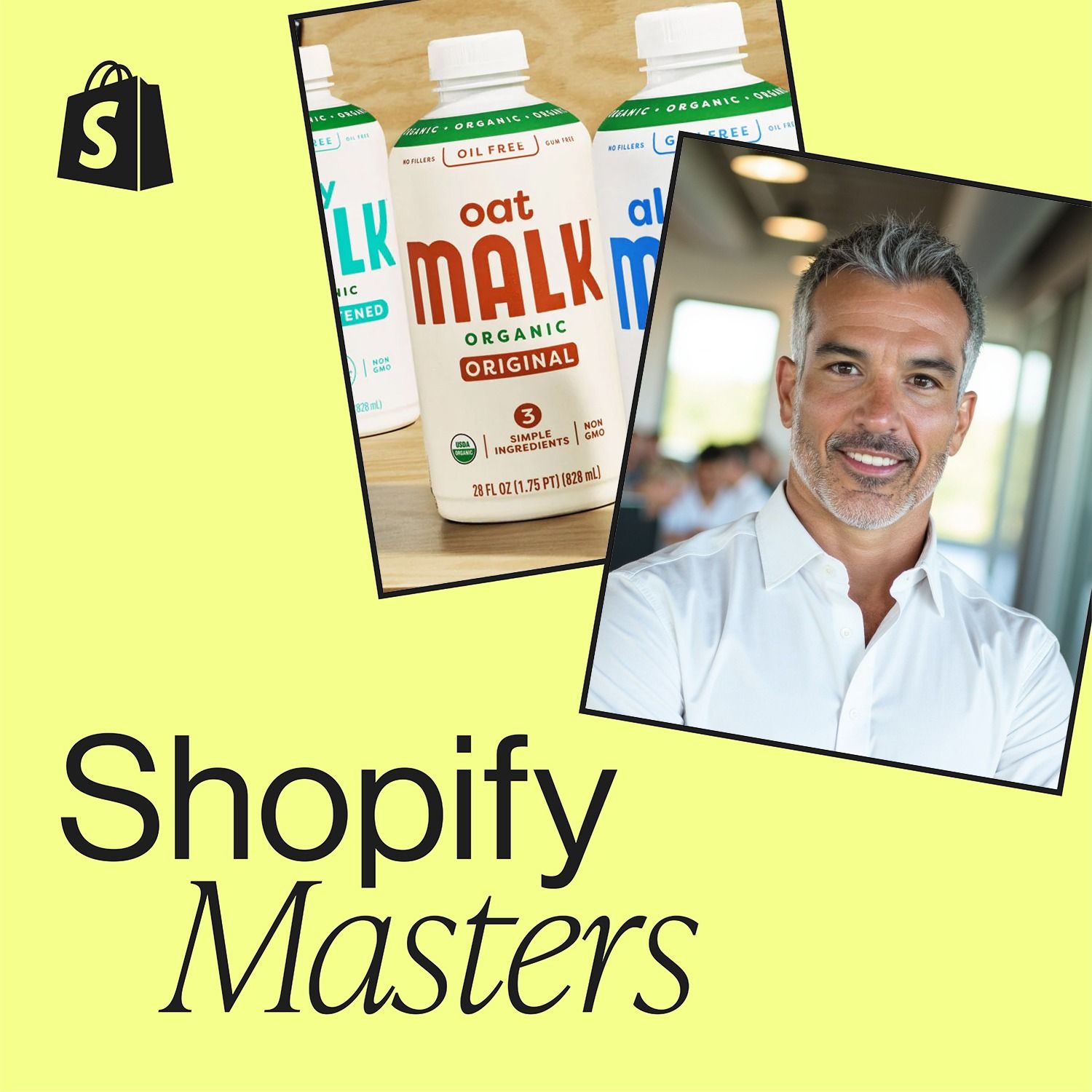
Malk's messaging evolved from focusing on what it lacked (gums, fillers) to highlighting the sensory experience of using the product. Recognizing that taste is paramount, the brand created assets showing the milk being poured into coffee or cereal. This shift from a rational, feature-based message to an emotional, benefit-driven one is key for brand maturation.
Hint Water identified that its target audience feels wellness is all-consuming and requires sacrifice. They crave effortless, enjoyable rituals. This insight shifted Hint's focus from functional benefits to emotional enjoyment, making hydration feel like a treat, not a task.
To get a 21-year-old brand back on consumers' radar, Hint embraced a bold campaign. The leadership team believed that being ignored was a greater risk than being provocative. They concluded that big, bold swings were necessary to avoid being "wallpaper" in a crowded market.
Instead of diluting messaging to appeal to everyone, embrace what makes your product unique—even a polarizing ingredient. Targeting the passionate niche who loves that ingredient creates powerful evangelists and a strong initial base, which is more effective than achieving a broad, lukewarm reception.
Hint Water's ad costs dropped after they promoted an article about the founder's story. The emotional narrative resonated so strongly that even non-customers shared it, effectively acting as a volunteer sales force. This builds brand equity beyond simple product features and discounts.

The brand connected the consumer need for enjoyable wellness with the cultural trend of openly expressing desire (e.g., audio erotica, "romantasy" books). This fusion allowed them to reframe "thirst" for hydration as a form of desirable temptation, giving them a unique and ownable marketing territory.
A brand's marketing narrative should focus on the underlying emotional experience it provides, such as "family time" for a puzzle company. This single, powerful theme can unite a diverse portfolio of products under one compelling story, creating a stronger brand identity than marketing individual product features.

Instead of getting lost in infinite possibilities of what to create, start by defining your target audience. Absolute clarity on 'who' makes every subsequent decision—from pricing and product features to your marketing platform—radically simpler and more effective.

Move beyond listing features and benefits. The most powerful brands connect with customers by selling the emotional result of using the product. For example, Swishables sells 'confidence' for a meeting after coffee, not just 'liquid mouthwash.' This emotional connection is the ultimate brand moat.

For a niche product like non-fluoride toothpaste, the strategy is not to change everyone's habits at once. Instead, hyper-focus on a pre-existing community—a 'tribe' that already shares strong beliefs and will act as natural evangelists, amplifying the product's message organically within their network.