Get your free personalized podcast brief
We scan new podcasts and send you the top 5 insights daily.
Reza Pahlavi, the exiled son of the last Shah, has become a legitimate political figure. This surprising resurgence is not organic but driven by a decade of well-produced, mysteriously-funded satellite TV documentaries romanticizing the pre-revolution era for Iran's large, young population.

Related Insights
Young Iranians, with no memory of the Shah's era, embrace a romanticized vision of pre-1979 Iran's social freedoms and global standing. This nostalgia, combined with the regime's suppression of internal leaders, has elevated Reza Pahlavi as a symbolic, default leader for a nationalist reclamation.

The intense violence from Iran's regime has eliminated political middle ground. The conflict is increasingly framed as a binary choice between the current Islamic Republic and a restored monarchy, marginalizing moderate voices who advocate for a democratic republic.
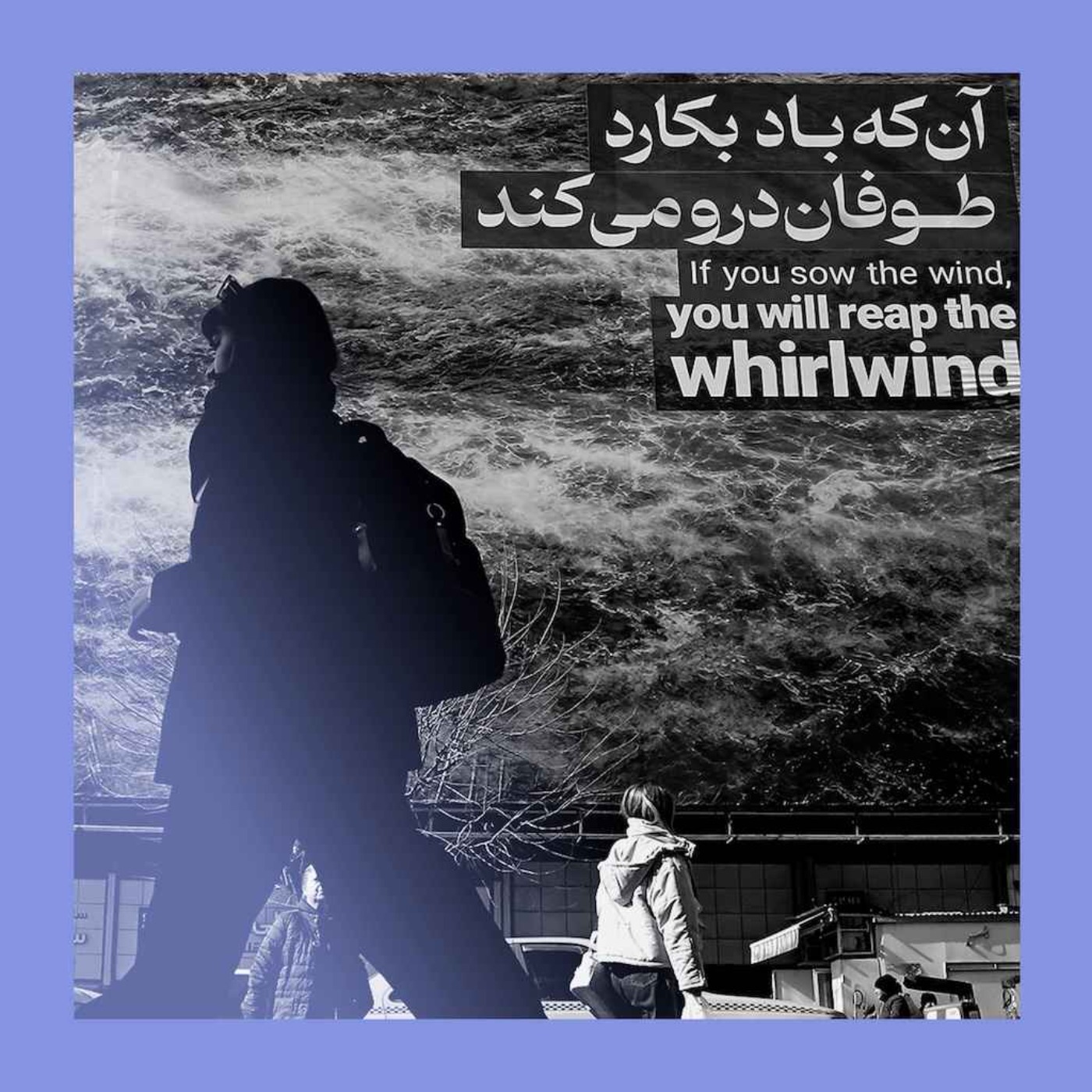
The ruling elite has inverted from 80% ideologues at the revolution's start to 80% charlatans today. Expedience and financial gain, not revolutionary zeal, now bind the regime's core. This ideological hollowness makes the regime more brittle than its rhetoric suggests.
Unusually, Reza Pahlavi's supporters are already turning on their coalition partners. They've launched online hate campaigns to crush alternative power centers within the opposition movement, a tactic typically reserved for consolidating power *after* a successful revolution, not during the struggle.
Contrary to a "burn-it-all-down" revolutionary approach, Reza Pahlavi proposes a pragmatic transition. He plans to incorporate existing state institutions, including the Islamic Revolutionary Guard Corps (IRGC), into his vision for a new national army to ensure stability and state function.
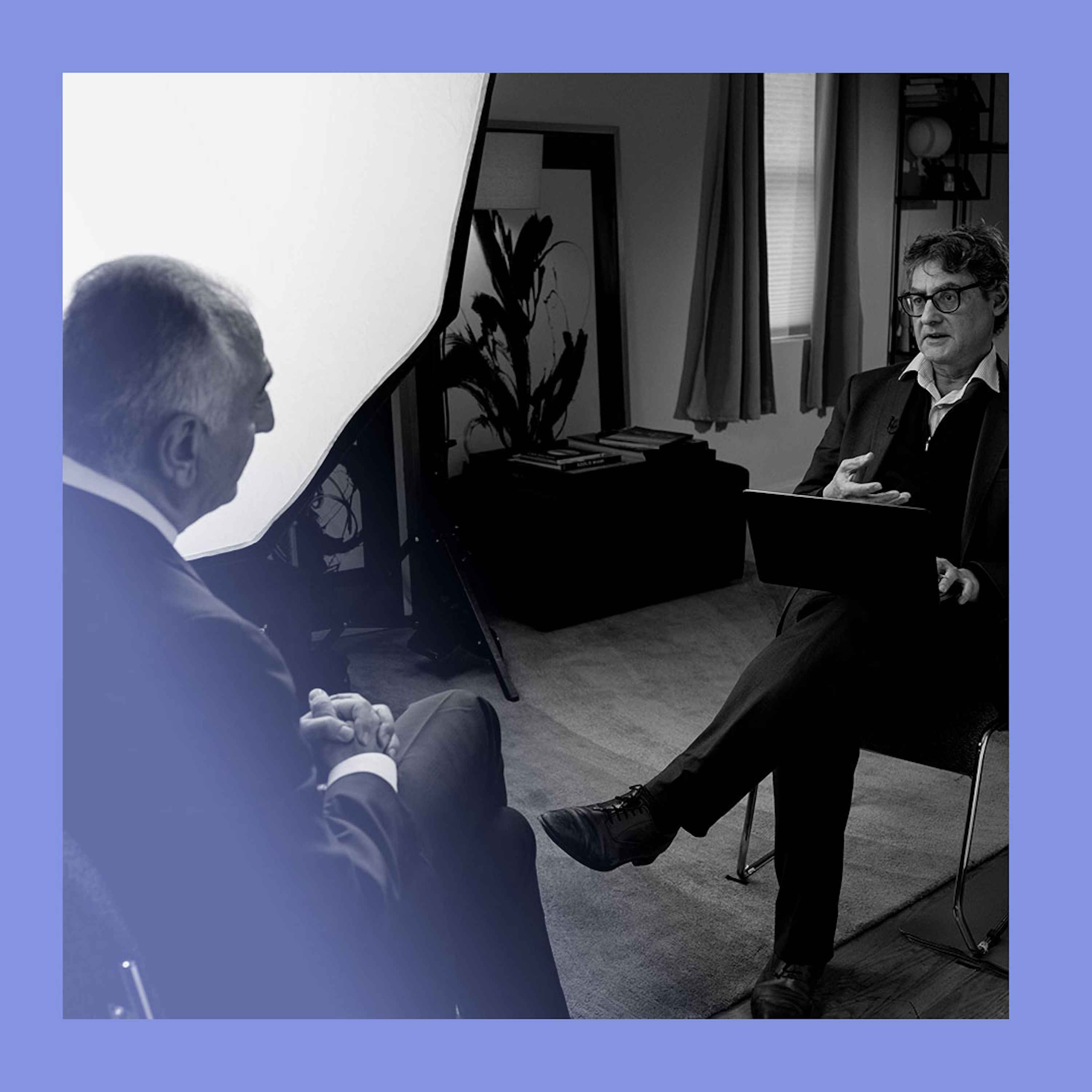
Reza Pahlavi's strategy is not based on domestic uprising alone. He believes protestors are "sacrificial lambs" who cannot succeed without direct American military intervention, framing them as a "fort waiting for the cavalry." This dependence makes his plan vulnerable to US political shifts.
The Islamic regime's support base is limited to an aging demographic that participated in or benefited from the 1979 revolution. The country's overwhelmingly young population, a result of a post-revolution population boom, bears the brunt of the regime's failures and is staunchly opposed to it.
Even if Iran's theocracy falls, a Western-style liberal democracy is unlikely. The leading opposition factions, particularly the royalists, are themselves illiberal and exhibit authoritarian tendencies. The most optimistic outcome may be a state resembling Hungary or a MAGA-led America, not a truly free society.
The Iranian populace is exhausted with theocratic rule after five decades. Any future authoritarian leader will likely be a product of the intelligence or security services, appealing to nationalism rather than revolutionary ideology. The era of the turban-wearing ruler is over.
Dara Khosrowshahi theorizes the Shah of Iran's regime collapsed because he modernized too fast, focused excessively on military power over industrial growth, and failed to bring along rural populations and integrate Islam into his vision, creating a power vacuum for the Islamic regime to exploit.
