Get your free personalized podcast brief
We scan new podcasts and send you the top 5 insights daily.
The neologism "chew by" describes a cultural trend where something is simultaneously "chopped" (outdated, like cheugy) and "spiritually Dubai" (flashy, but lacking substance). This term identifies a specific aesthetic seen in brands like Goyard or concepts like oat milk, capturing a nuanced cultural sentiment.

Related Insights
Aldi transformed its low-price, no-name-brand image into a cultural phenomenon. By leaning into the 'fun of frugality' and creating experiences like the 'Aldi Aisle of Shame,' they built a powerful fandom and brand identity around the very absence of traditional brands, turning a weakness into a core strength.
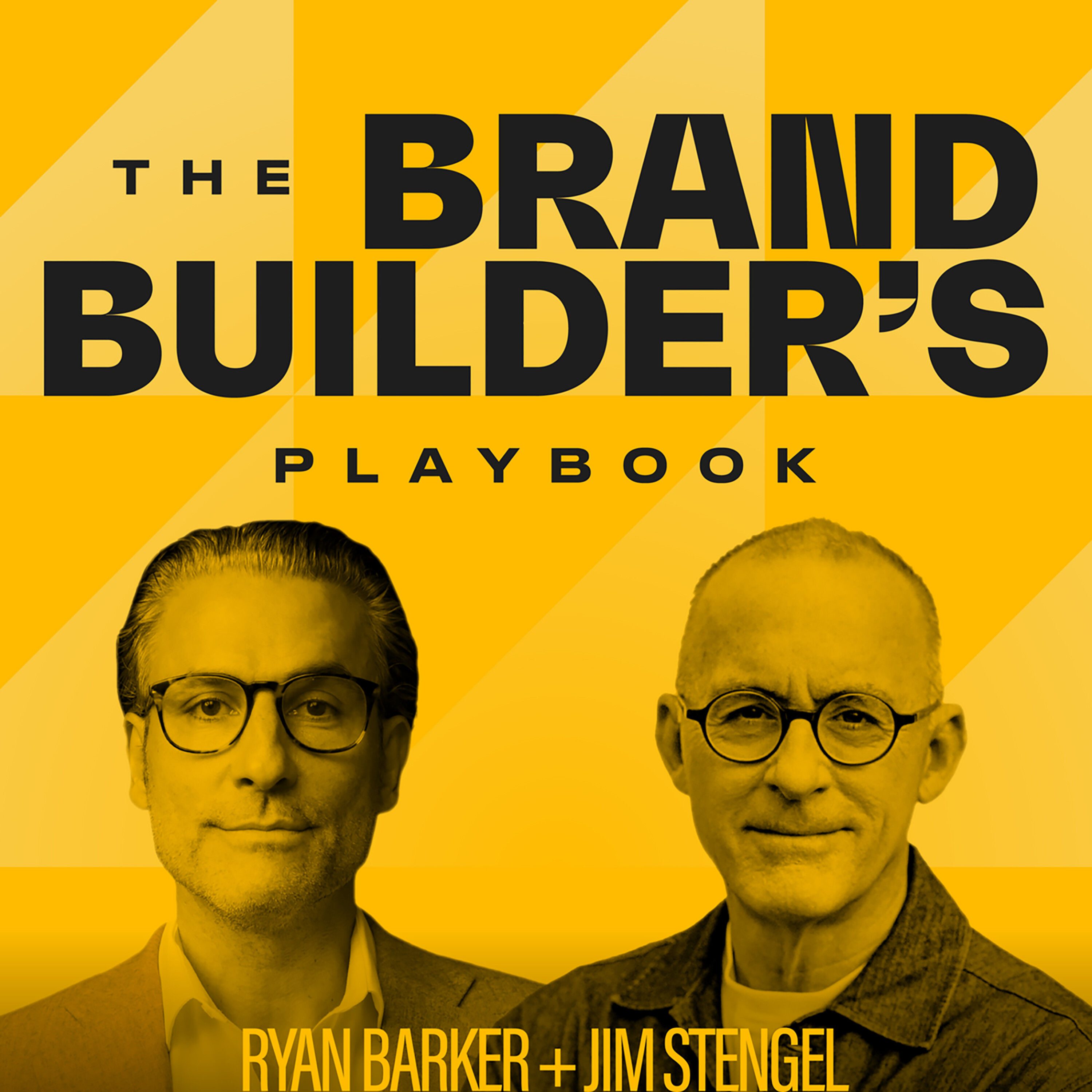
Malk's messaging evolved from focusing on what it lacked (gums, fillers) to highlighting the sensory experience of using the product. Recognizing that taste is paramount, the brand created assets showing the milk being poured into coffee or cereal. This shift from a rational, feature-based message to an emotional, benefit-driven one is key for brand maturation.
Enduring 'stay-up' brands don't need to fundamentally reinvent their core product. Instead, they should focus on creating opportunities for consumers to 'reappraise' the brand in a current context. The goal is to make the familiar feel fresh and relevant again, connecting it to modern culture.

Hershey's launch of a Dubai Chocolate product a full year after the flavor went viral on social media highlights a critical agility gap. The slow product development cycles of large corporations cannot keep pace with fast-moving digital trends, causing them to miss the peak of consumer interest and appear out of touch.

Brand love is often less about the product and more about what it symbolizes about the consumer. In an era of 'hyper-identity,' brands become signals people use to communicate their personal values and nuances. Marketing should focus on what the brand says about its user.
Consumers are trained by food packaging to look for simple, bold 'macros' (e.g., '7g Protein,' 'Gluten-Free'). Applying this concept to non-food items by clearly stating key attributes ('Chemical-Free,' 'Plant-Based') on the packaging can rapidly educate consumers at the point of purchase and differentiate the product.

As luxury brands consolidate into huge corporations, they face a paradox: their prestige relies on exclusivity, but their business models require mass-market scale. The solution is a new paradigm where status is framed as inclusive and 'for everyone,' turning the concept of prestige proletarian.

Collectibles have evolved beyond niche hobbies into a mainstream communication tool, similar to fashion or luxury cars. Consumers use them to signal identity, tribal affiliation, and status. Brands can leverage this behavior to build deeper connections and create a sense of community.

A social media trend, like the 'Dubai chocolate' flavor, transitions from a fleeting fad to a bankable opportunity when embraced by multiple large companies like Starbucks and Shake Shack. Their simultaneous adoption signals genuine, widespread consumer demand worth investing in.
Gen Alpha's slang, like '6-7' or 'Skibbity,' is intentionally nonsensical. Unlike older slang with stable definitions, it functions as a rapidly changing cultural password, proving in-group status through shared, context-less memes rather than conveying specific meaning.
