Get your free personalized podcast brief
We scan new podcasts and send you the top 5 insights daily.
An admissions dean's story of an applicant who rated his own admission chances at 0% underscores the profound, life-altering power of university admissions. It shows that the most meaningful acceptances are often the ones applicants themselves deemed impossible, highlighting the human element beyond application statistics.

Related Insights
In the hyper-competitive college admissions "arms race," many parents hire consultants not because they believe it's ideal, but out of fear. They feel they cannot unilaterally disarm when their child is competing against others using every available advantage.

The lifestyle required to be in the top 0.01% is incompatible with a normal life. It involves sacrifices that friends and family will view as unhealthy or illogical. True exceptionalism requires rejecting societal norms and the people who uphold them, without needing to explain yourself.

Elite universities with massive endowments and shrinking acceptance rates are betraying their public service mission. By failing to expand enrollment, they function more like exclusive 'hedge funds offering classes' that manufacture scarcity to protect their brand prestige, rather than educational institutions aiming to maximize societal impact.

To succeed in its proprietary sourcing model where the default answer is often "no," TA Associates specifically hires individuals who have overcome adversity. They believe this trait builds the necessary resilience and motivation to persist through constant rejection without losing drive.

Most elite universities measure quality by their low acceptance rates. ASU's President Michael Crow flipped this model, defining success by the number of students they include and support, arguing that exclusivity is an outdated, elitist metric that ill-serves a democracy.

The frenzy around elite college admissions is a systemic 'collective action trap.' Even parents and students who understand the limited value of prestige are forced to compete due to intense social pressure and status anxiety, amplified by social media. Opting out individually carries too high a social cost.
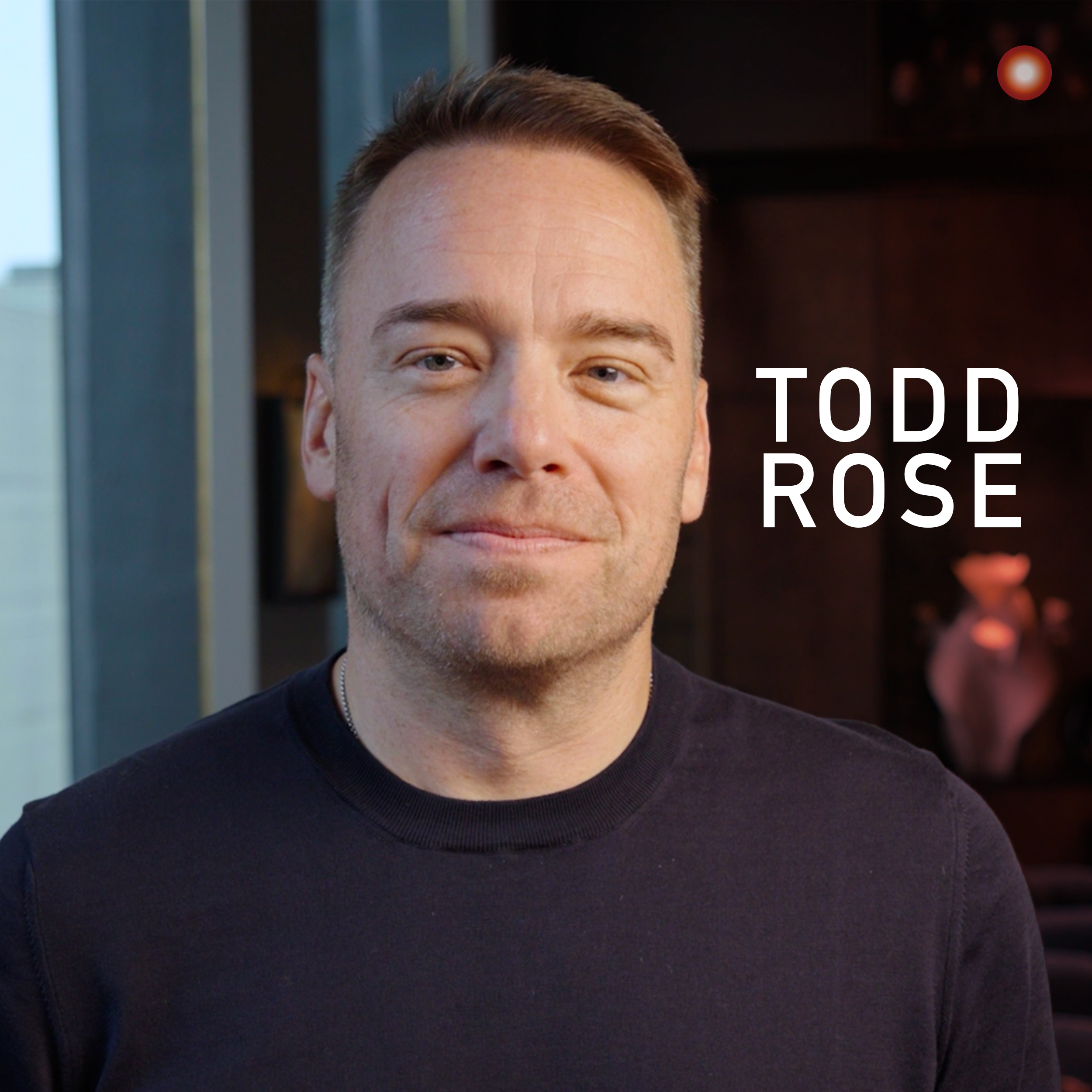
A secretary's simple encouragement, "Don't take no for an answer," changed the entire trajectory of Todd Rose's life after a university director rejected him. This highlights that transformative guidance often comes from unexpected people, not from formally designated mentors.
Orlando Bravo didn't get a return offer from his internship. Instead of giving up, he sent 500 resumes and cold-called firms, landing his pivotal role just two weeks before graduating. It shows that persistence, not a linear path, is key to breaking into competitive fields.
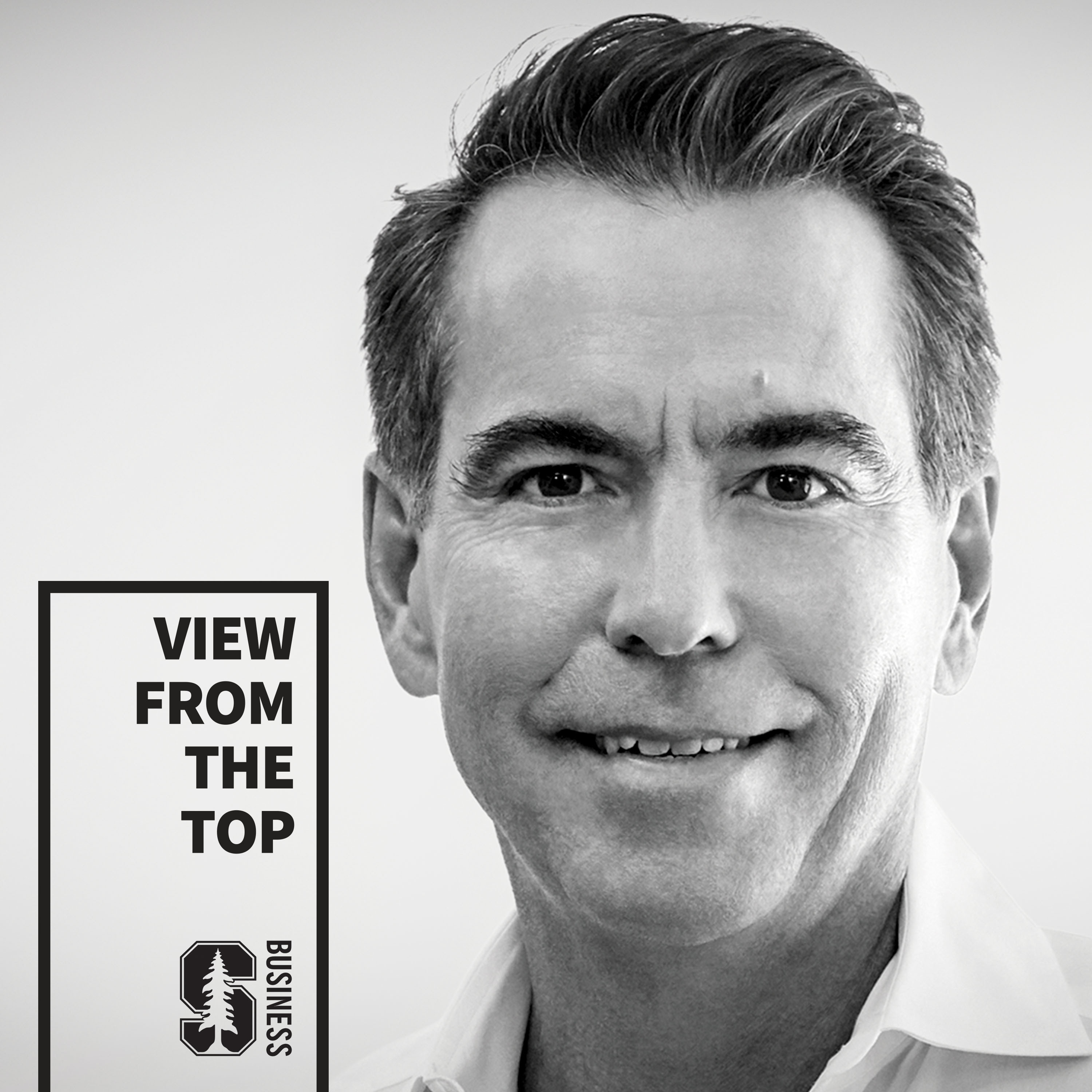
Herbert Hoover's primary motivation for creating the Stanford Graduate School of Business was to prevent the region's top business talent from leaving for East Coast institutions and never returning. The school was an explicit strategy for regional economic and talent development, countering a perceived 'brain drain.'

Life is full of 'hidden markets' for scarce resources like school admissions or popular reservations. These don't use price but have specific rules like lotteries, queues, or preference rankings. Understanding and mastering these non-obvious rules, as Wharton economist Judd Kessler explains, is key to getting what you want.
