Get your free personalized podcast brief
We scan new podcasts and send you the top 5 insights daily.
The NY Pension Fund pays hundreds of different managers to actively invest. Candidate Drew Warshaw argues this level of diversification is self-defeating, as it effectively recreates the market index but with massive fees and a worse tracking error, resulting in significant underperformance compared to simple, low-cost index funds.

Related Insights
Active management is more viable in emerging markets than in the US. The largest EM ETF (EEM) has a high 0.72% expense ratio, the universe of stocks is twice as large as the US, and analyst coverage is sparse. This creates significant opportunities for skilled stock pickers to outperform passive strategies.

The dominance of low-cost index funds means active managers cannot compete in liquid, efficient markets. Survival depends on creating strategies in areas Vanguard can't easily replicate, such as illiquid micro-caps, niche geographies, or complex sectors that require specialized data and analysis.
Data over the last decade shows that 97% of professional stock pickers, despite their resources, fail to beat a basic market index. Ambitious individuals often fall into the trap of thinking they're the exception. The most reliable path to market wealth is patient, consistent investing in low-cost index funds.

Exposing the enormous fees paid to external managers forces asset owner boards to ask, "Is there another way?" This transparency is the key driver that prompts them to consider the strategic benefits of building internal investment teams.
![[REPLAY] - Ashby Monk – Asset Giant Futurist (Capital Allocators, EP.29) thumbnail](https://static.libsyn.com/p/assets/f/b/7/6/fb76e1c8bfb69e8dd959afa2a1bf1c87/CA_Square_logo_light_background_6.26.24.jpg)
The underperformance of active managers in the last decade wasn't just due to the rise of indexing. The historic run of a few mega-cap tech stocks created a market-cap-weighted index that was statistically almost impossible to beat without owning those specific names, leading to lower active share and alpha dispersion.
Contrary to classic theory, markets may be growing less efficient. This is driven not only by passive indexing but also by a structural shift in active management towards short-term, quantitative strategies that prioritize immediate price movements over long-term fundamental value.
Contrary to the belief that indexing creates market inefficiencies, Michael Mauboussin argues the opposite. Indexing removes the weakest, 'closet indexing' players from the active pool, increasing the average skill level of the remaining competition and making it harder to find an edge.
When a public pension fund underperforms its benchmarks, the state is legally required to make up the shortfall. Candidate Drew Warshaw argues this funding comes directly from taxpayers through higher property and state income taxes, effectively creating a hidden tax to subsidize poor investment management.
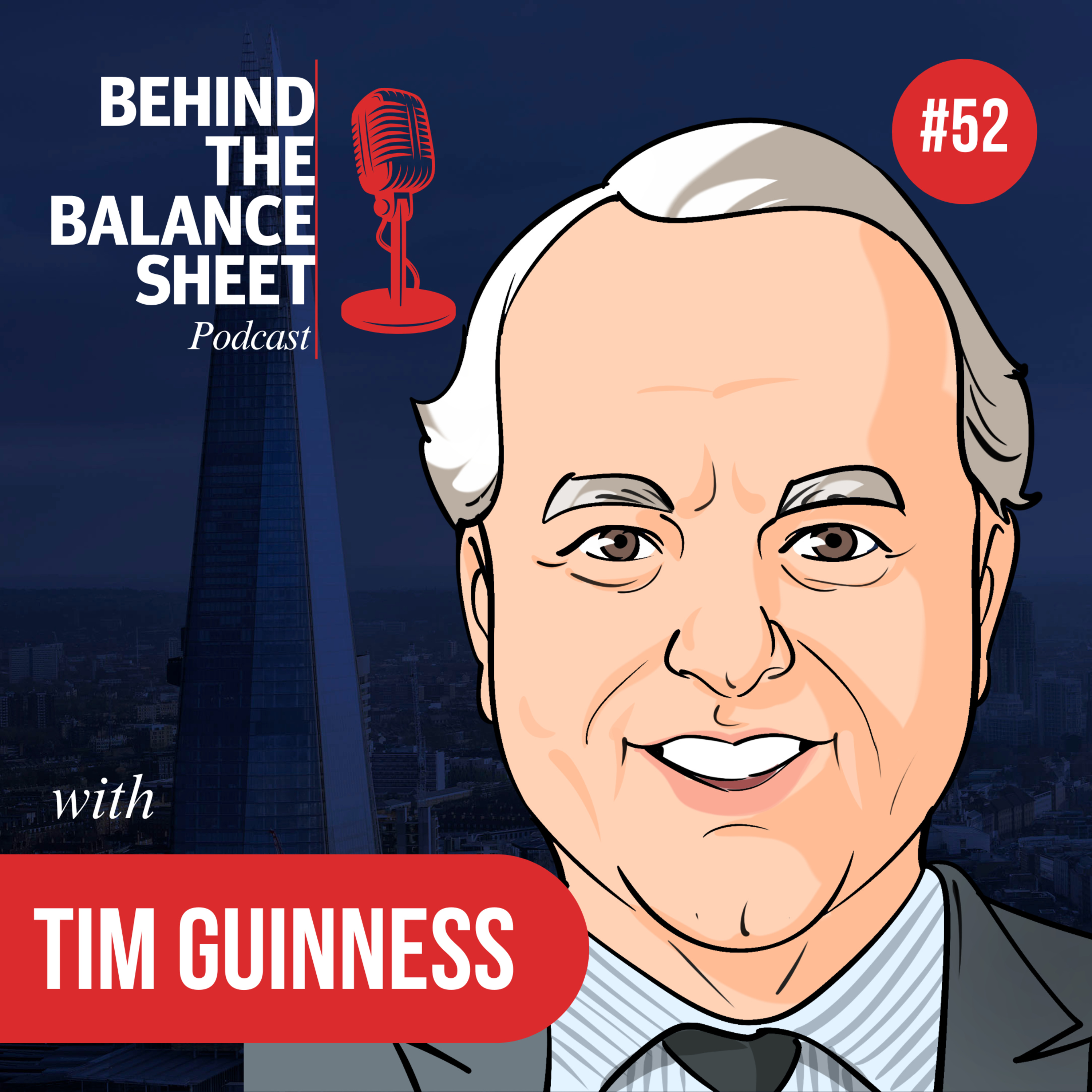
Tim Guinness claims that despite the rise of passive investing, it is not difficult for thoughtful active managers to outperform. He calls indices "stupid" because they are inherently momentum-driven and mechanically buy high. He argues a disciplined approach can overcome the fee hurdle that holds many back.
Unlike most large funds, NY's pension is managed by one person without a board. While a board seems like an obvious solution, candidate Drew Warshaw cautions that politically appointed boards can diffuse accountability rather than improve it, creating a different set of governance problems.