Get your free personalized podcast brief
We scan new podcasts and send you the top 5 insights daily.
The latest US sanctions campaign against Iran was presented as a major offensive but lacked significant new actions, such as sanctions on major Chinese banks. This suggests the US is pivoting from military options to economic threats that it may be hesitant to fully enforce, risking that the Iranian regime perceives it as weakness.

Related Insights
The push for conflict with Iran wasn't just about nuclear threats but a calculated move. By controlling the Strait of Hormuz, the US could cut off China's primary oil source, forcing them into economic concessions and shoring up the US dollar.

The US's reluctance to impose secondary sanctions on major Chinese financial institutions for trading with Iran shows a critical limitation of its economic pressure strategy. The desire to maintain stable relations with global powers like China forces the US to moderate its sanctions, making the threats appear hollow and less effective.
Unable to achieve a decisive military victory, the US and Iran are locked in a "game of uncle." The US aims to inflict maximum damage on Iran's infrastructure, while Iran targets the global economy to create international pressure on the US to cease hostilities.

The US military buildup against Iran is interpreted not as an inevitable prelude to war, but as a high-stakes 'game of chicken.' The primary goal for President Trump is likely to exert maximum pressure to force Iran into a diplomatic deal with major concessions, making war a secondary, less preferable option.

The administration aggressively talks about regime change, making promises to the Iranian opposition. However, the military actions and follow-up policies are not scaled to achieve this ambitious goal, creating a strategic disconnect that undermines the operation's credibility and clarity of purpose.

The public threats of a military strike against Iran may be a high-stakes negotiating tactic, consistent with Trump's style of creating chaos before seeking a deal. The goal is likely not war, which would be politically damaging, but to force Iran into economic concessions or a new agreement on US terms.

The Trump administration's aggressive rhetoric against Iran, followed by repeated inaction when its bluffs were called, created a 'second worst scenario.' This approach projected incompetence and weakness on a global scale, arguably more damaging to US credibility than a more reserved policy would have been.

China has explicitly stated it will ignore US sanctions against Iran, signaling a major shift in global power dynamics. With the world's second-largest economy refusing to comply, the US's ability to use economic warfare as a primary foreign policy tool is severely diminished.

Iran's leadership is betting it can withstand economic pressure longer than the US president can tolerate rising gas prices and diplomatic fallout ahead of midterm elections. Having survived past sanctions, Iran believes its autocratic regime has more staying power than an American administration facing voter discontent.
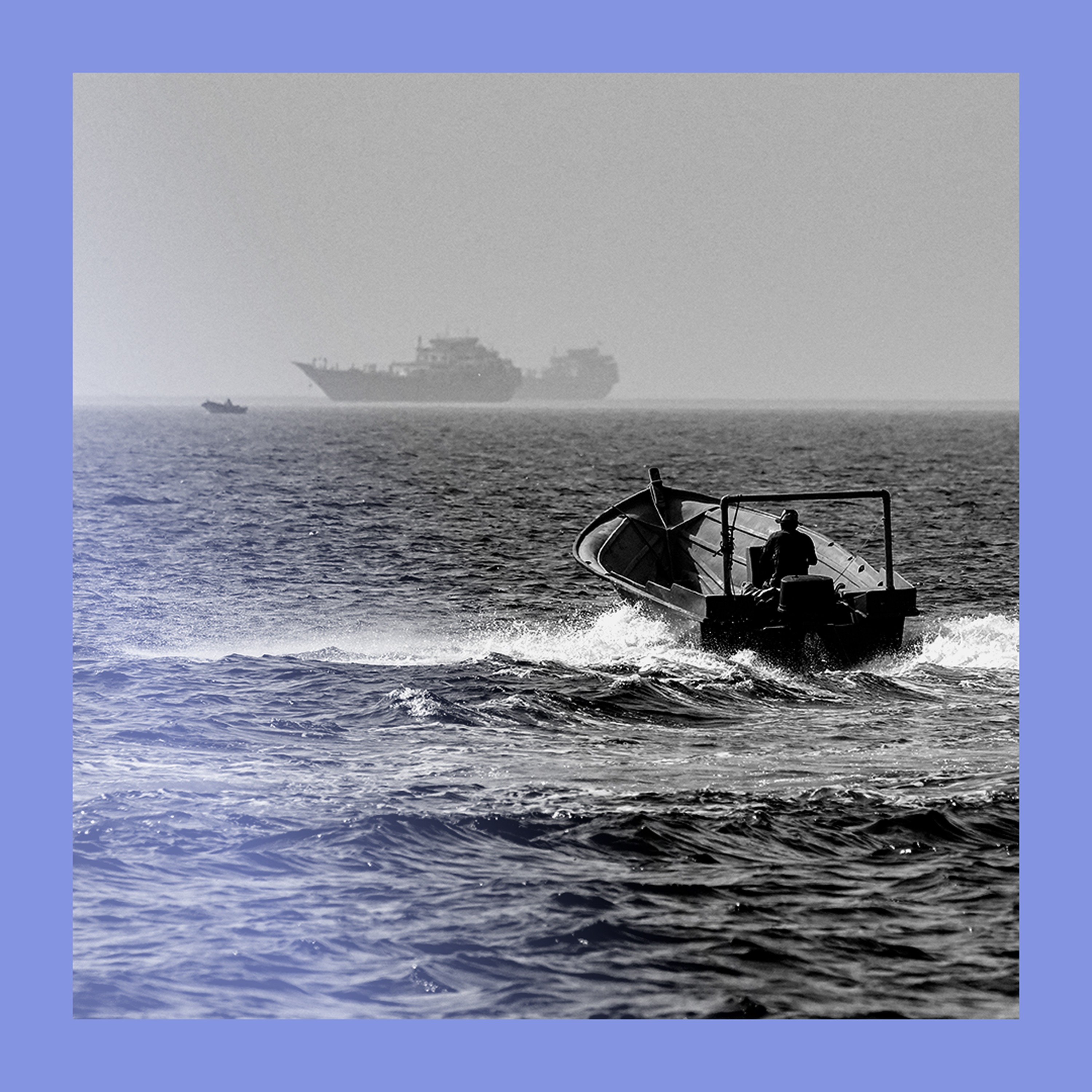
Despite significant military losses, Iran is successfully leveraging its control over the Strait of Hormuz. This asymmetric strategy chokes global energy markets, creating economic pain that Western nations may be less willing to endure than Iran, potentially snatching a strategic victory from a tactical defeat.