Get your free personalized podcast brief
We scan new podcasts and send you the top 5 insights daily.
Vlad Tenev provides a simple framework: investing is buying with the intent of permanent holding for accumulation. Trading is making moves based on a specific, time-bound thesis. He separates these from gambling, which he characterizes as being primarily emotionally driven for entertainment.

Related Insights
Robinhood's CEO contrasts the COVID-era retail trading craze, driven by 'ephemeral' theses like nostalgia, with today's more 'meaningful' activity. He observes that current retail investors are focused on substantive tech waves like AI, backing companies with real revenue, indicating a market maturation.
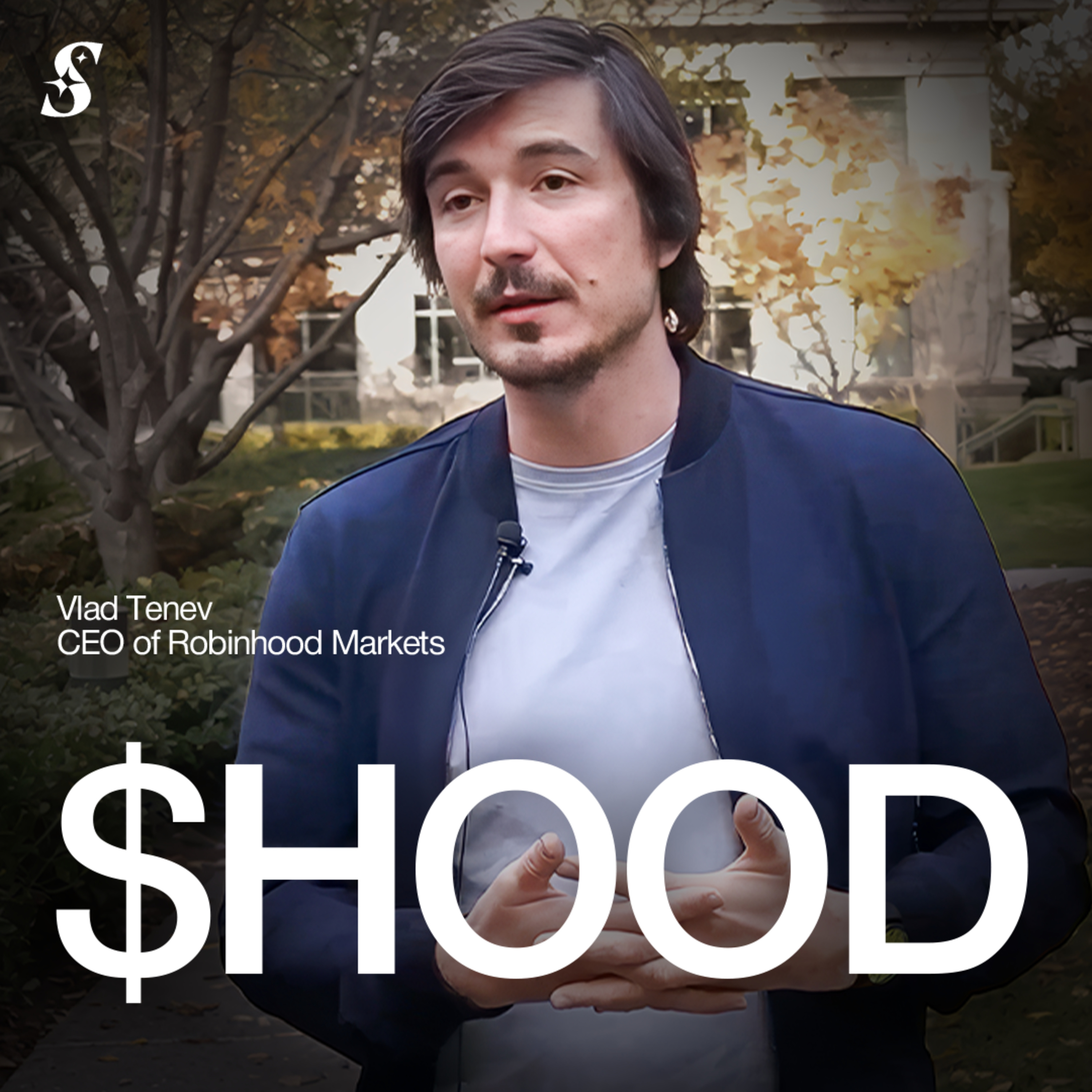
The CEO distinguishes 'betting' from 'gambling.' He defines gambling not by the activity but by its structure: creating an artificial risk where the house has stacked odds. In contrast, trading on natural, pre-existing risks in a fair, market-based system is fundamentally different.
High-excitement investments like day trading are often a form of gambling that leads to financial loss. True, sustainable wealth is built through a deliberately boring strategy, such as consistent, long-term investments in broad-market index funds.

In contrast to "Raiders" who sell for a quick 20% gain, the most successful "Connoisseurs" achieve outsized returns by letting their winners run. This long-term conviction, while seemingly boring, is where the majority of wealth is created in a portfolio.

The Latin root of "investing" is *investiri*, meaning to put on the clothes of. Gardner uses this etymology to reframe investing as a deep, long-term partnership with a company, akin to wearing your favorite sports team's jersey, rather than the short-term act of trading.

Investors often treat holding a stock as a passive state. However, the decision not to sell is an active choice to reinvest that capital at its current value. This reframes the act of holding into a daily, deliberate evaluation of whether the stock remains the best use of your money.

Contrary to the stereotype of a hyperactive day trader, the average Robinhood user trades 40 times per year—the same as a Schwab self-directed customer. With 95% retention and 5x account balance growth over three years, their behavior indicates a more traditional, long-term approach to investing, not reckless gambling.
![Robinhood: Mobile First, Margins Later - [Business Breakdowns, EP.233] thumbnail](https://megaphone.imgix.net/podcasts/943e2e96-b60b-11f0-9176-5bf614c23973/image/074f062475dc76689adfc59319a4e04d.jpg?ixlib=rails-4.3.1&max-w=3000&max-h=3000&fit=crop&auto=format,compress)
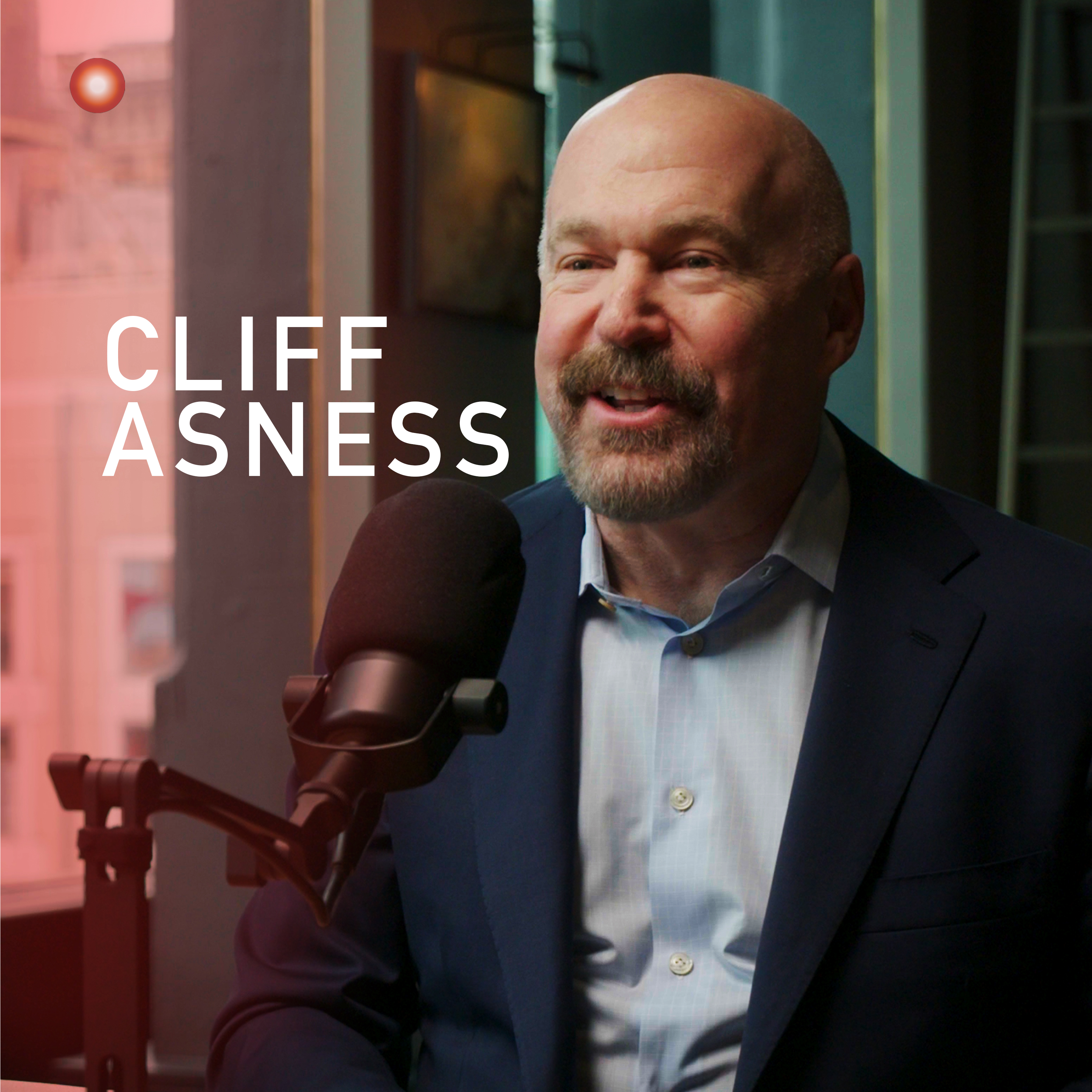
Cliff Asness argues that modern trading apps have "gamified" investing to the point where users treat it like sports betting. They adopt flawed strategies like the Martingale system, which guarantees ruin without an infinite bankroll, confusing speculation with a viable investment process.
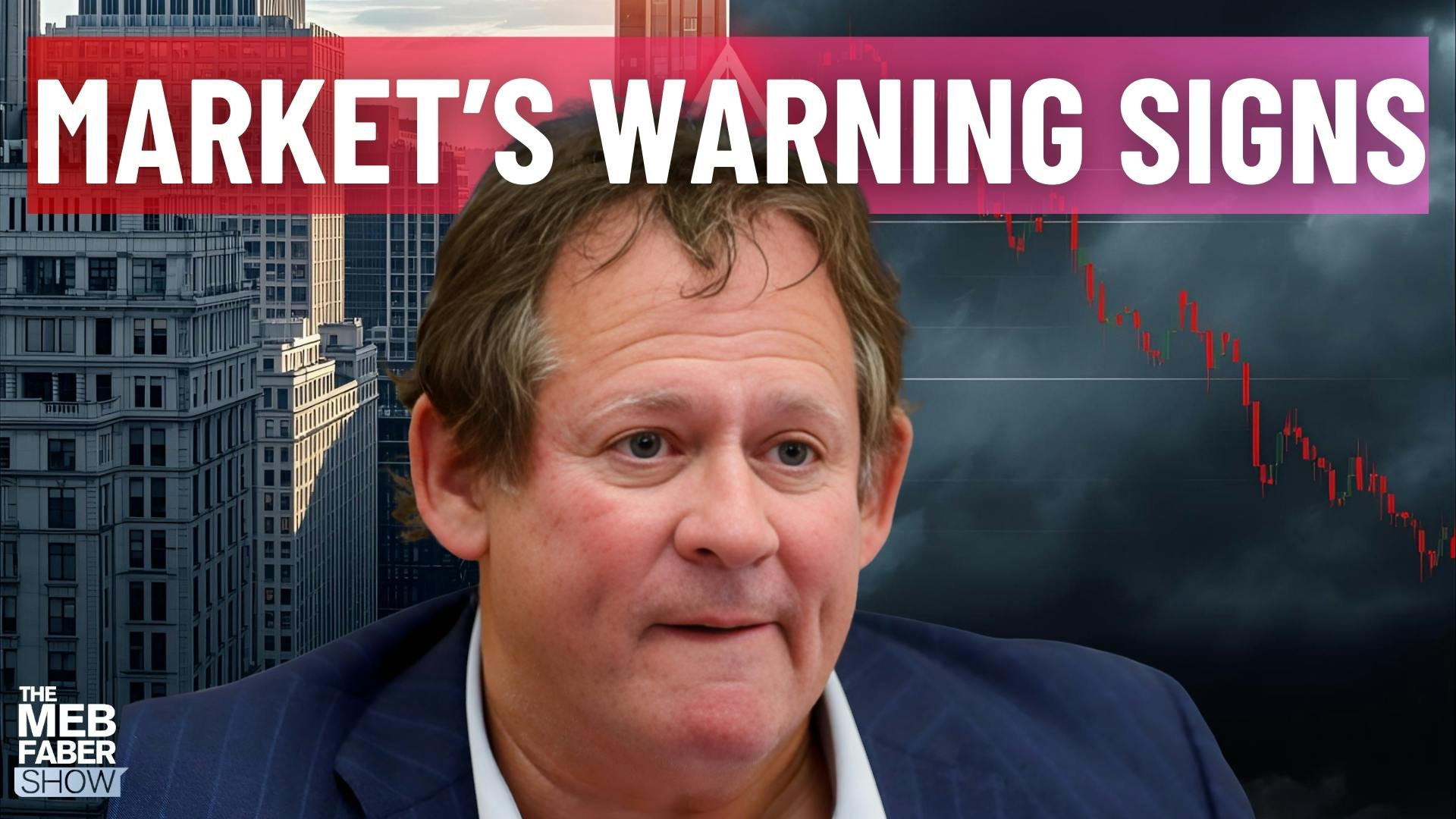
The post-stimulus era will mark a fundamental shift. The past few years rewarded riding broad market trends ("gambling"). Rick Reeder predicts the coming year will be more volatile, creating a market where rigorous analysis, stock selection, and even shorting will be crucial for success ("investing").
Beyond providing access to late-stage private companies, CEO Vlad Tenev's ultimate ambition is to enable retail investors to participate in the earliest stages of company formation. He believes the first capital into a company should have retail participation, a radical shift from the current accredited-investor model.