Get your free personalized podcast brief
We scan new podcasts and send you the top 5 insights daily.
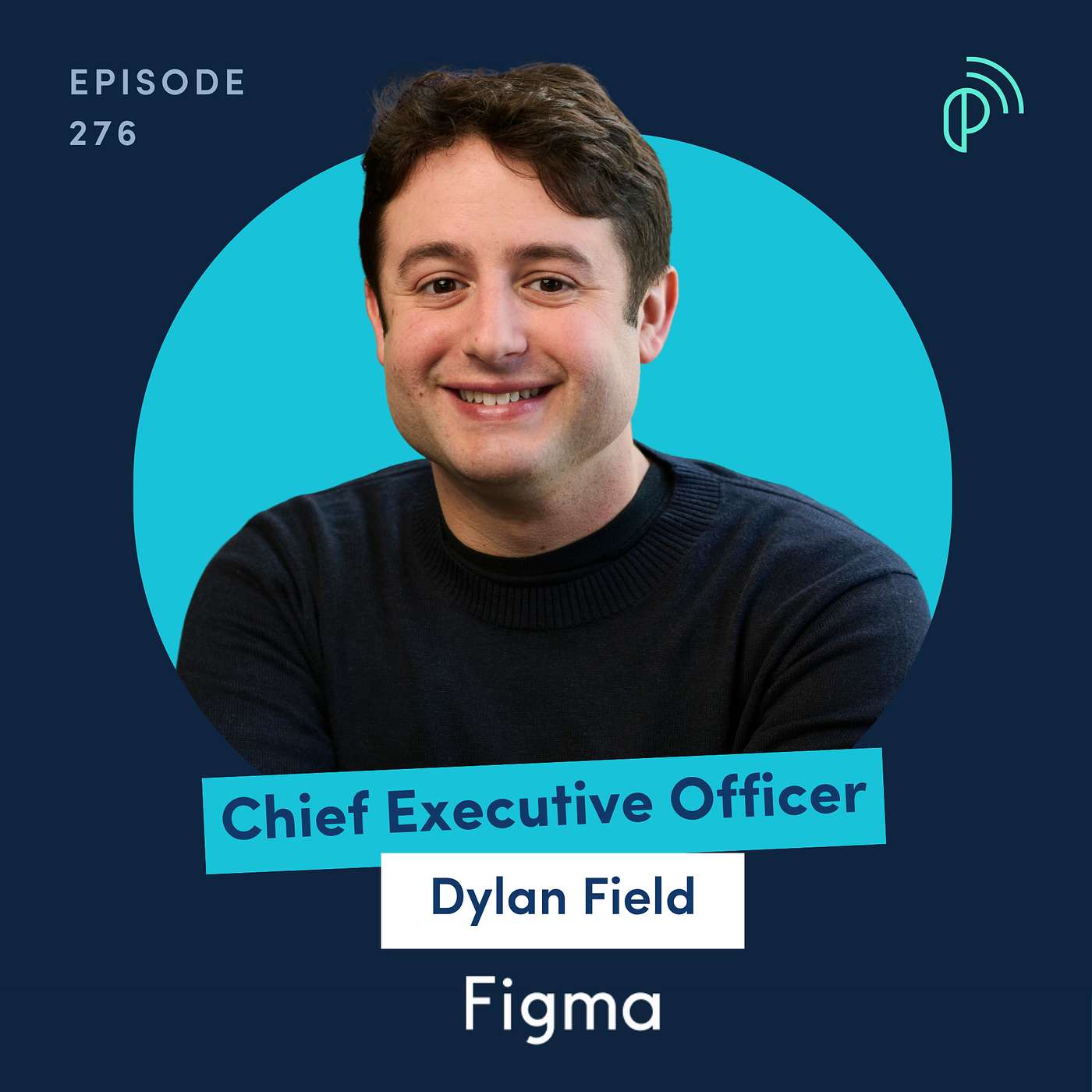
Dylan Field notes a paradox in AI development: models are now so advanced they can solve complex math problems and hack their own environments, yet they remain "pretty bad" at design. This implies that aesthetic sense, taste, and genuine creativity are not direct byproducts of increased logical intelligence.

Related Insights
AI models are trained to find the most probable answer, reflecting the average of their data. Truly great, tasteful work is often unique and statistically unlikely, a quality that current models, which regress to the mean, struggle to produce. They can solve PhD-level math but fail at creative tasks like writing a good tweet.

AI tools struggle in creative processes because they cannot "see" or have personal preferences. Their output is limited by the user's ability to verbally describe visual inspiration, creating a significant bottleneck. This highlights why human taste and curation remain essential for high-quality creative work.

Figma CEO Dylan Field argues that while AI can quickly generate "good enough" results, this baseline is no longer sufficient. As AI floods the market with generic software and designs, true differentiation will come from human-led craft, taste, and pushing beyond the initial AI output.
AI lowers the technical barrier to building products, making design taste and judgment the critical differentiators. An AI can execute tasks, but it requires a designer's discerning eye to guide it toward a high-quality, cohesive, and valuable user experience.

As AI design tools proliferate, their outputs are developing a recognizable, generic style. A website that is clearly a "one-shot prompt" now signals something about the company's standards, similar to how easily identifiable AI-written text does. This suggests a rising premium for human-led, original design.

As AI accelerates software development, basic functionality becomes table stakes. Figma's CEO contends that differentiation and winning now depend entirely on design, craft, and a strong point of view, as 'good enough' products will no longer succeed.
AI models excel at coding because correctness is easy to evaluate. Design is harder because "good" is subjective and tied to human taste, making it difficult to create a training feedback loop. Furthermore, design values novelty and cultural context, whereas software engineering prefers established, reliable patterns.

Many aspiring creators quit because their creative taste exceeds their technical skill, causing frustration. Figma's CEO suggests AI's most exciting potential is bridging this gap. It allows creators to rapidly generate and sample the possibility space, helping them achieve their vision almost instantly and overcome the initial skill barrier that stifles creativity.

Despite AI's ability to generate functional code, replicating the nuanced, subjective quality of a specific designer's "taste" remains extremely difficult. Felix Lee, after spending weeks attempting to codify his own taste into an AI model with little success, notes it's a significant unsolved challenge.

Figma's CEO argues that while agentic coding systems are powerful, they risk being too linear. True product innovation requires exploring a wide option space through design, using systems and components to ensure a cohesive user journey. Relying solely on code generation can lead to a suboptimal product, even if it's built quickly.